
[Newsbits] 25.06-1.07.2024: CriticGPT, Snowblind Malware. & More


On June 24, 2024, the Kerala Assembly passed a resolution to change the state’s name from “Kerala” to “Keralam” to align with its Malayalam name. This initiative, led by Chief Minister Pinarayi Vijayan, aims to amend the Constitution’s First Schedule and the Eighth Schedule, which lists official languages. The name “Kerala” has historical roots dating back to 257 BCE, with Emperor Ashoka’s reference to “Keralaputra.” Linguistically, it is linked to the Old Tamil word “Cher” and the Kannada word “Keram.” Kerala was formed on November 1, 1956, by merging Malayalam-speaking regions, reflecting its cultural and linguistic heritage.
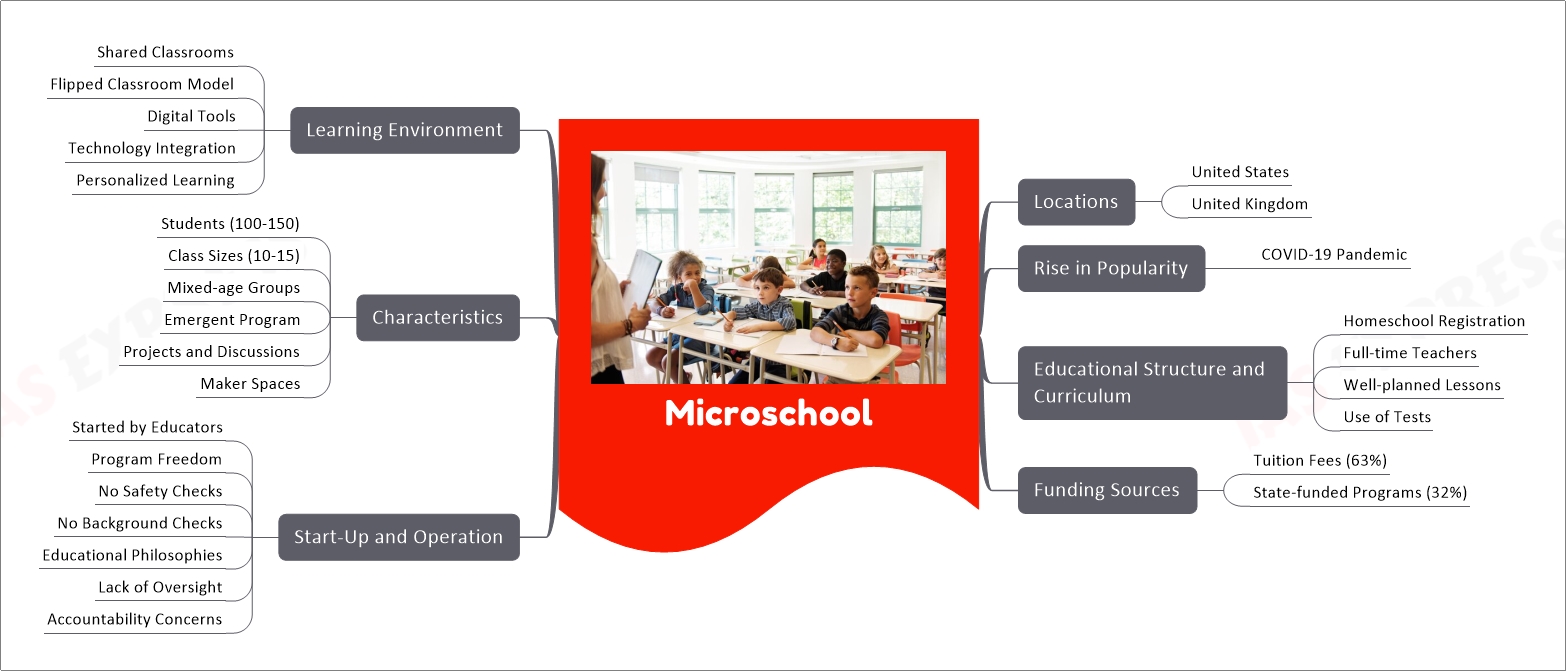
Microschools are small, private educational institutions that have gained popularity in the United States and the United Kingdom, especially during the COVID-19 pandemic. They offer a personalized education with small class sizes (10-15 students) and mixed-age groups, focusing on emergent curricula and project-based learning. Typically, students are registered as homeschoolers, and the schools operate with full-time teachers and well-planned lessons. Funding primarily comes from tuition fees (63%) and state-funded programs (32%). Microschools are often initiated by educators and have significant freedom in their programs, though they face concerns about oversight and accountability. They use shared classrooms, a flipped classroom model, and integrate digital tools to enhance learning.

Uttar Pradesh is a major player in India’s renewable energy sector, particularly in compressed biogas (CBG) production, capable of generating 24% of the nation’s CBG. Western Uttar Pradesh, with towns like Muzaffarnagar, Meerut, and Saharanpur, is pivotal due to its rich feedstock. The state has a robust bioenergy policy, allocating Rs. 750 crore from 2022 to 2027, offering subsidies, and promoting best practices. Despite this, challenges such as bioslurry management, inconsistent gas offtake, skilled personnel shortage, and financial barriers persist. Solutions include policy adjustments, diverse feedstocks, farmer involvement, and enhanced government support.
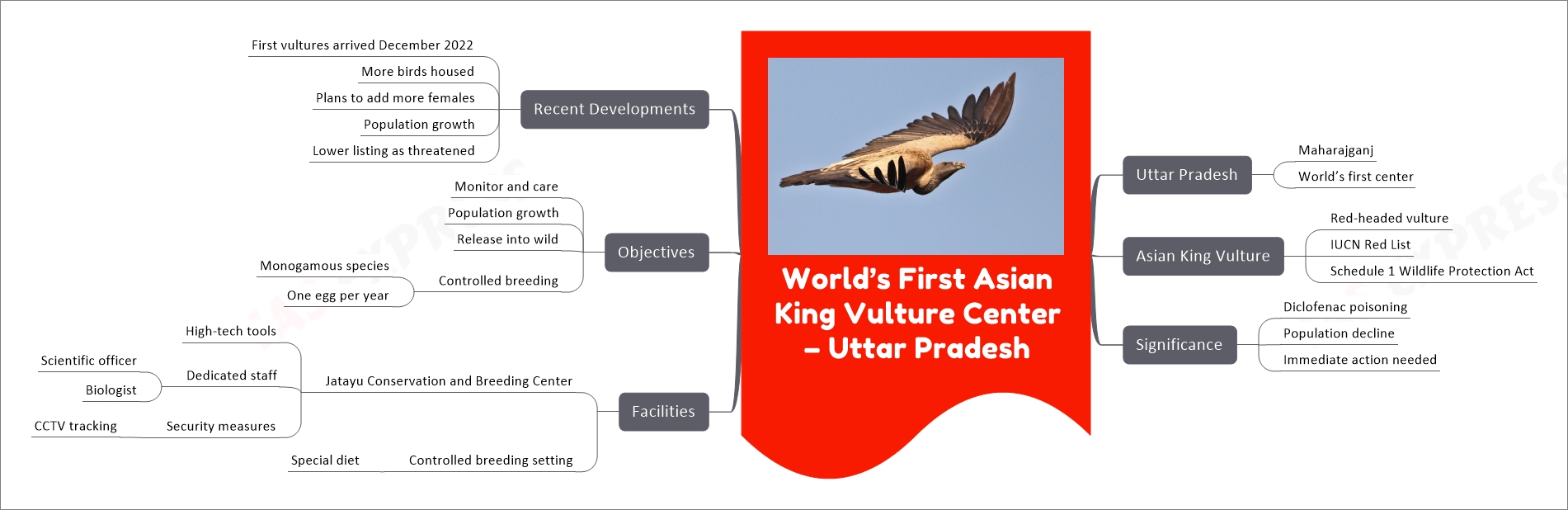
The world's first Asian King Vulture Center is being established in Maharajganj, Uttar Pradesh, to protect and raise the critically endangered Asian king vulture, also known as the red-headed vulture. This initiative addresses the species' drastic decline due to diclofenac poisoning. The Jatayu Conservation and Breeding Center, equipped with advanced monitoring tools and staffed by experts, aims to breed vultures in a controlled environment. The center's breeding strategy focuses on the species' monogamous nature, with the goal of gradually increasing the population for future release into the wild. Since December 2022, the center has successfully housed more vultures and plans to expand further.

The World Investment Report 2024 highlights a 2% global decline in Foreign Direct Investment (FDI) in 2023, with significant drops in countries like India, China, France, Australia, and the USA. India’s FDI fell by 43%, from $49 billion to $28 billion, dropping its global ranking from 8th to 15th. Despite this, India remains a top destination for foreign project financing and new construction. The decline is attributed to multinational companies’ caution due to uncertain global growth, geopolitical tensions, economic fragmentation, strict industrial policies, and supply line diversification. Sector-specific impacts include a 23% drop in infrastructure project finance and a 46% drop in mergers and acquisitions.
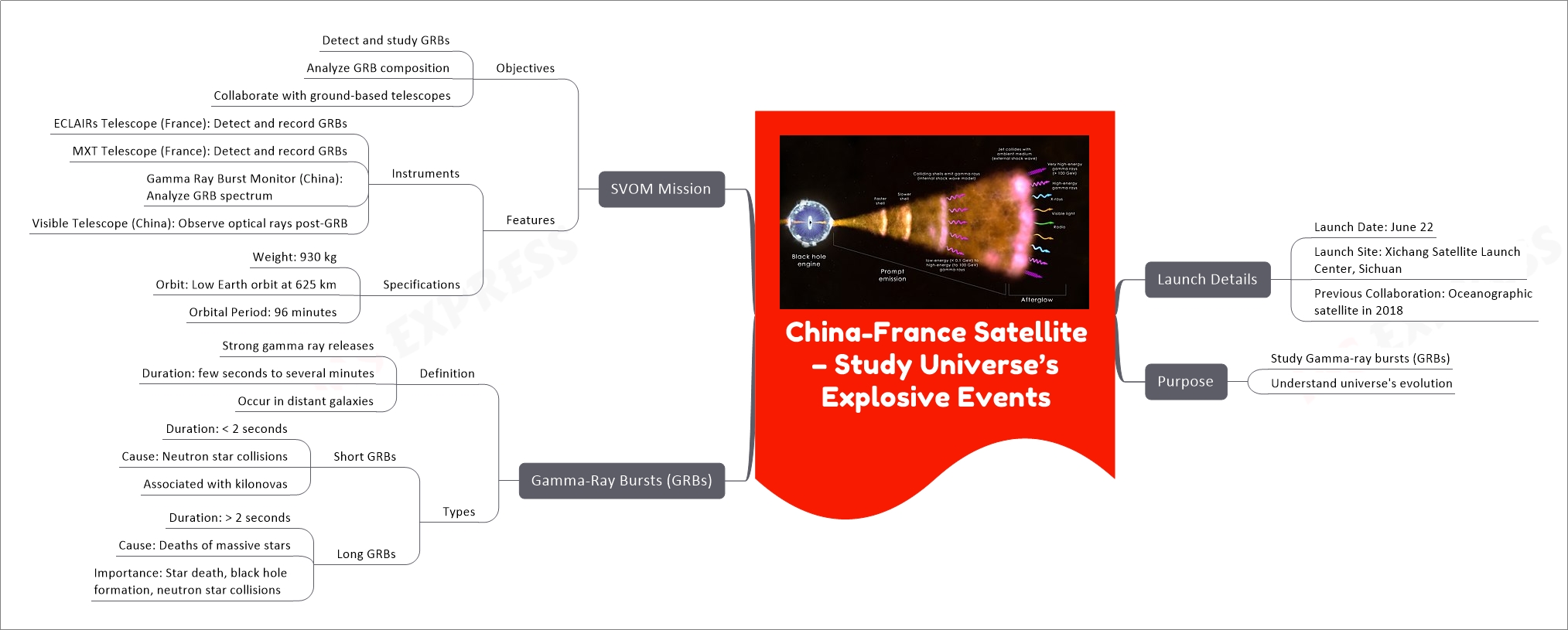
The China-France Space Variable Objects Monitor (SVOM) satellite, launched on June 22 from the Xichang Satellite Launch Center, aims to study gamma-ray bursts (GRBs). GRBs are powerful cosmic events that occur in distant galaxies, classified into short (neutron star collisions) and long (massive star deaths) bursts. SVOM's mission is to detect and analyze these bursts to understand the universe's evolution. The satellite, weighing 930 kg, features instruments like the ECLAIRs and MXT telescopes from France and the Gamma Ray Burst Monitor and Visible Telescope from China. It orbits at 625 km with a 96-minute period.

Sub-Saharan Africa faces significant challenges in achieving energy equity, as highlighted in the World Economic Forum’s 2024 report. The Energy Transition Index (ETI) assesses 120 countries on energy system performance, focusing on equity, sustainability, and security. Sub-Saharan Africa shows the highest growth in ETI scores, driven by improvements in energy access and affordability. Despite progress, 600 million people in the region still lack electricity. Countries like Tanzania and Ethiopia have made strides in improving energy access. Renewable energy adoption is increasing, with Zimbabwe making notable progress. Europe leads in ETI rankings, with Sweden and Denmark at the top.
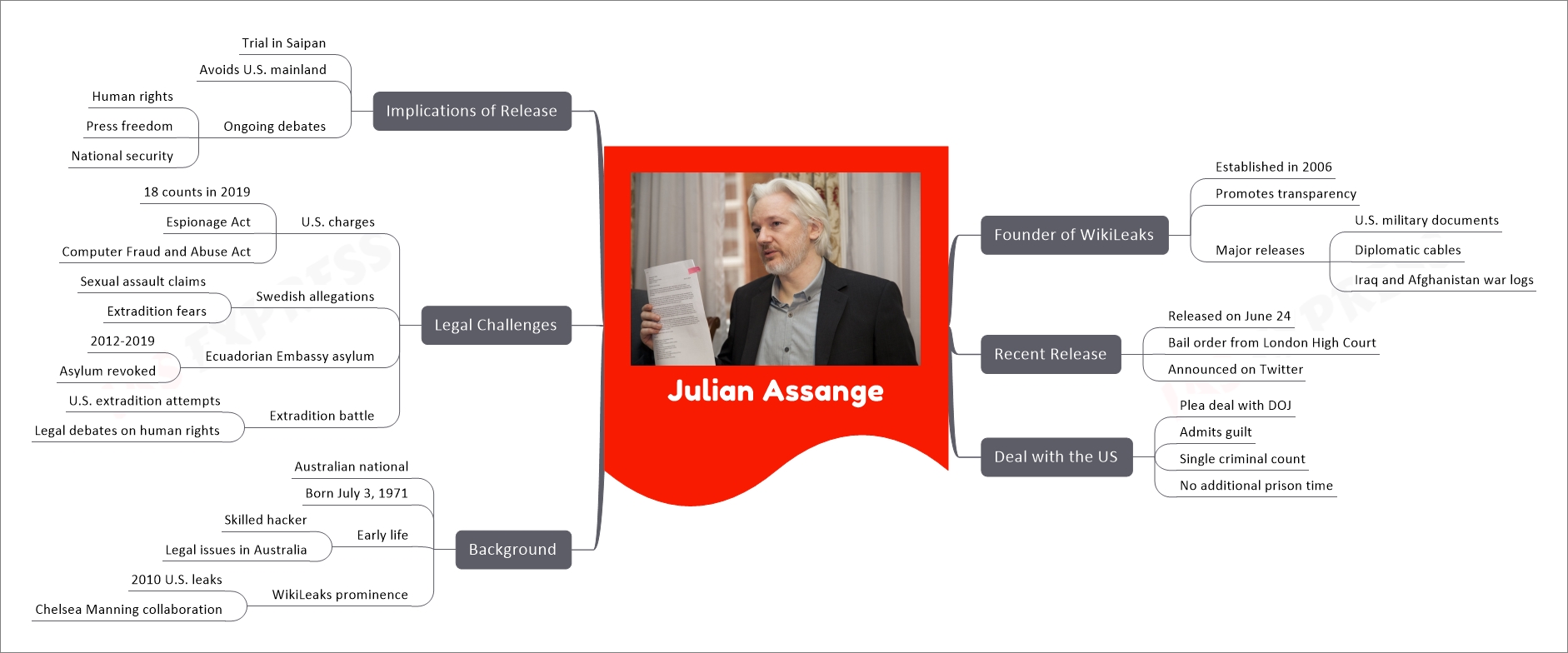
Julian Assange, the founder of WikiLeaks, was released from a UK prison on June 24, following a bail order from the London High Court. His release was announced on Twitter. Assange has reached a plea deal with the U.S. Department of Justice, admitting guilt to a single criminal count. This deal ensures no additional prison time beyond the five years already served. Assange, an Australian national born in 1971, founded WikiLeaks in 2006 to promote transparency. He faced numerous legal challenges, including U.S. charges under the Espionage Act and the Computer Fraud and Abuse Act, and sexual assault allegations in Sweden. Assange sought asylum in the Ecuadorian Embassy from 2012 to 2019 to avoid extradition. His release and upcoming trial in Saipan continue to spark debates on human rights, pres

The Indian Institute of Science (IISc) in Bengaluru has developed a 3D hydrogel culture system to advance tuberculosis (TB) research. This new method, created by the Department of Bioengineering, mimics the lung environment more accurately than traditional 2D culture plates. The hydrogel uses collagen, a key component of lung tissue, allowing for better interaction between immune cells and TB bacteria. This system keeps cells viable for up to three weeks, significantly longer than traditional methods. The research demonstrated the effectiveness of the TB drug pyrazinamide in this model, and RNA analysis confirmed its similarity to human lung cells. This innovation could lead to more accurate TB treatments and has been patented in India.
Meta recently launched its Llama 3-powered AI chatbot, Meta AI, in India, making it available on WhatsApp, Facebook, Instagram, Messenger, and the Meta.AI website. The chatbot offers functionalities like writing summaries, planning workouts, suggesting cooking ideas, and generating emails. On Instagram, it can suggest related Reels, and on Facebook, it provides interactions based on the user's feed. Despite its advanced technology, Meta AI has shown cultural biases in image generation, which Meta is working to address. The chatbot does not retain memory of past conversations to protect user privacy and is powered by the advanced Llama 3 model, which offers improved language understanding and reduced computational needs.

If you like this post, please share your feedback in the comments section below so that we will upload more posts like this.


Responses