
[Newsbits] 15.12.2023 – Barracuda, Norovirus, COP28 Deal & More


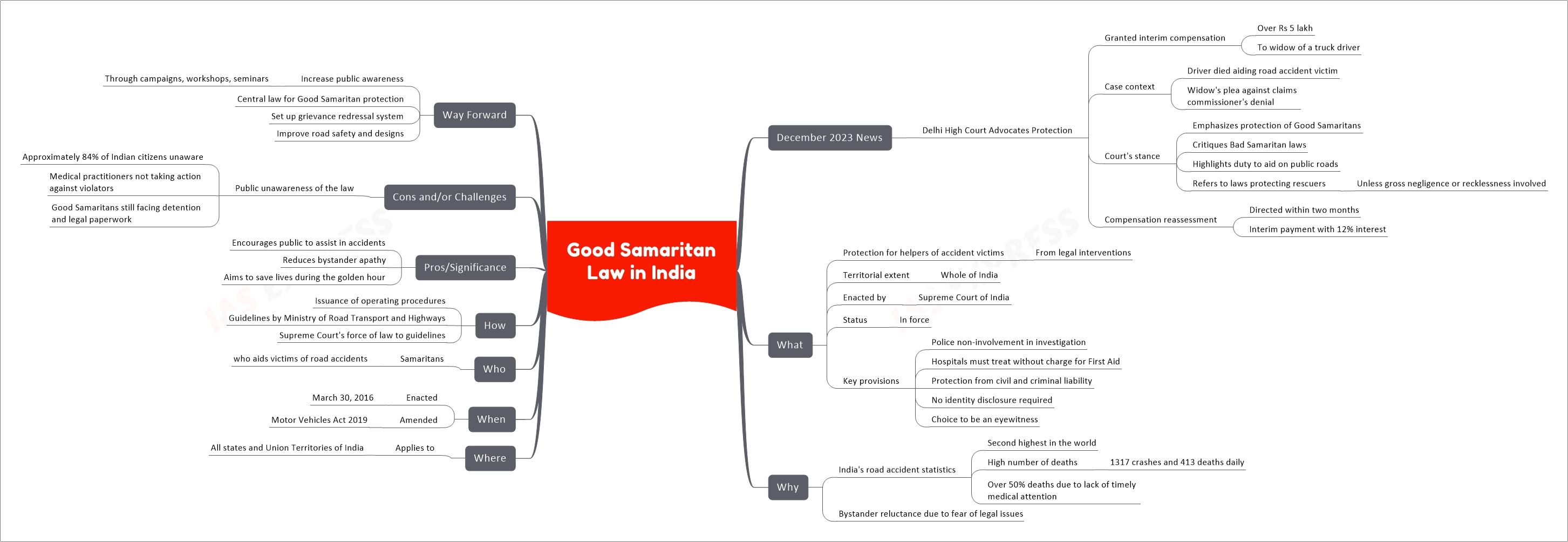
The Delhi High Court recently granted interim compensation of over Rs 5 lakh to the widow of a truck driver who died while aiding a road accident victim. The case came into the limelight when the widow filed a plea against the claims commissioner’s denial. The court’s stance was clear and firm. It emphasized the protection of Good Samaritans and critiqued the so-called Bad Samaritan laws. The court highlighted the duty of citizens to aid on public roads and referred to laws protecting rescuers, unless there is evidence of gross negligence or recklessness involved. The court also directed a reassessment of the compensation within two months, with an interim payment that includes a 12% interest.
What is the Good Samaritan Law?
The Good Samaritan Law in India provides protection for helpers of accident victims from legal interventions. The law has a territorial extent that covers the whole of India and was enacted by the Supreme Court of India. As of now, the law is in force.
Key provisions of the law include:
- Police non-involvement in the investigation
- Hospitals must treat without charge for First Aid
- Protection from civil and criminal liability
- No identity disclosure required
- Choice to be an eyewitness
Why was the Good Samaritan Law Enacted?
India’s road accident statistics are alarming, with the country having the second-highest number of road accidents in the world. Daily, there are 1317 crashes and 413 deaths. Over 50% of these deaths occur due to a lack of timely medical attention.
One of the main reasons for the enactment of the Good Samaritan Law was the reluctance of bystanders to help accident victims due to fear of legal issues.
Where does the Good Samaritan Law Apply?
The Good Samaritan Law applies to all states and Union Territories of India.
When was the Good Samaritan Law Enacted and Amended?
The Good Samaritan Law was enacted on March 30, 2016. It was later amended in the Motor Vehicles Act 2019.
Who are the Samaritans?
In the context of the Good Samaritan Law, Samaritans are individuals who aid victims of road accidents.
How was the Good Samaritan Law Implemented?
The Good Samaritan Law was implemented through the issuance of operating procedures and guidelines by the Ministry of Road Transport and Highways. The Supreme Court gave force of law to these guidelines.
The Significance of the Good Samaritan Law
The Good Samaritan Law encourages the public to assist in accidents, thereby reducing bystander apathy. The law aims to save lives during the golden hour, which is the first hour after a traumatic injury when emergency treatment is most likely to be successful.
Challenges of the Good Samaritan Law
Despite its significance, the Good Samaritan Law faces several challenges. Approximately 84% of Indian citizens are unaware of the law. Medical practitioners often do not take action against violators, and Good Samaritans still face detention and legal paperwork.
The Way Forward
To overcome these challenges, it is crucial to increase public awareness through campaigns, workshops, and seminars. A central law for Good Samaritan protection should be established, and a grievance redressal system should be set up. Additionally, road safety and designs should be improved.
Conclusion
The Good Samaritan Law in India is a significant step towards encouraging public participation in saving lives during road accidents. Despite the challenges, with increased awareness and legal support, the law holds the potential to bring about a significant change in the country’s road safety scenario.
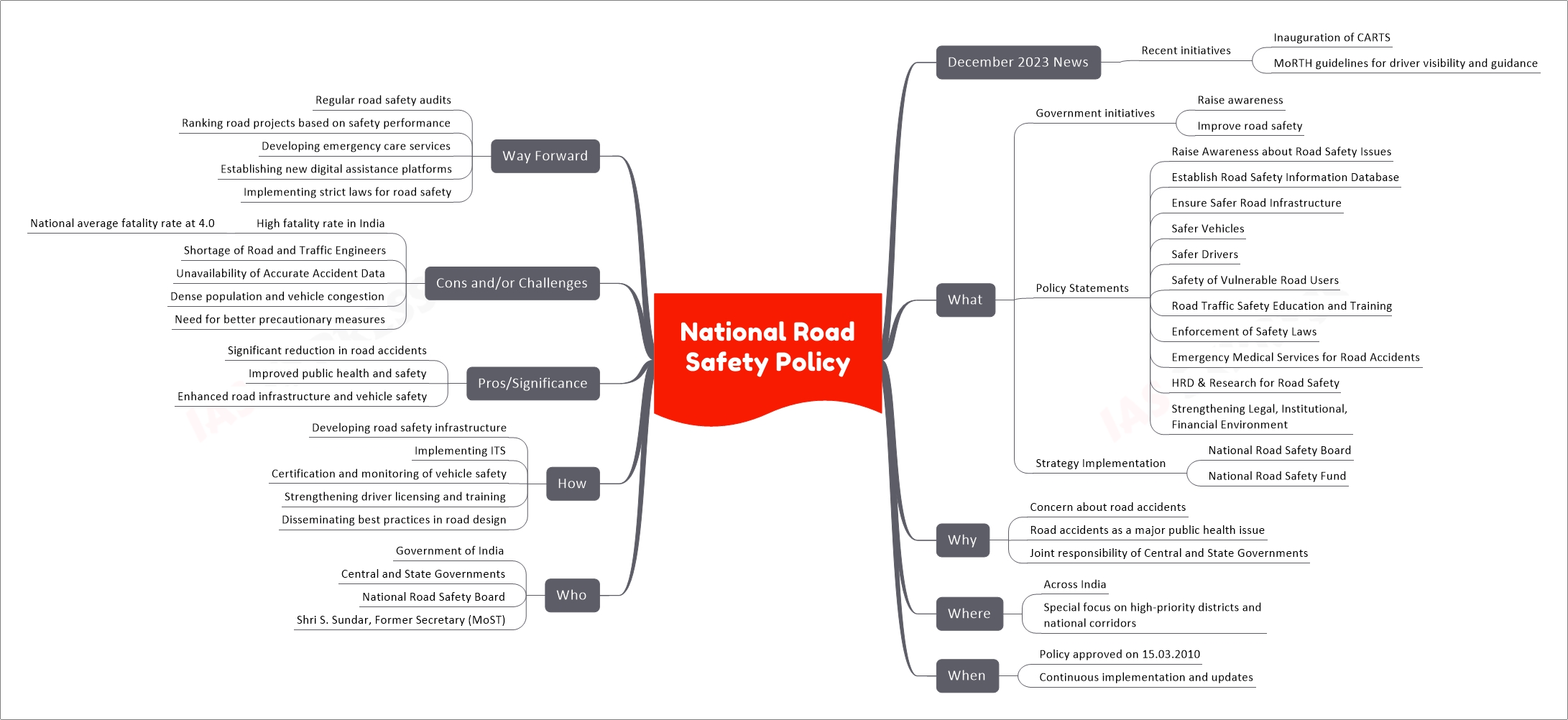
The National Road Safety Policy in India is a comprehensive approach aimed at reducing the high rate of road accidents, fatalities, and injuries in the country. It encompasses a variety of initiatives like raising awareness, ensuring safer road infrastructure, enforcing safety laws, and emergency medical services for road accidents. The policy also includes the establishment of a National Road Safety Board and Fund for strategy implementation. Challenges such as a high fatality rate, shortage of skilled engineers, and unavailability of accurate accident data persist. The way forward involves regular road safety audits, ranking road projects based on safety, developing emergency care services, and implementing strict laws to enhance road safety.
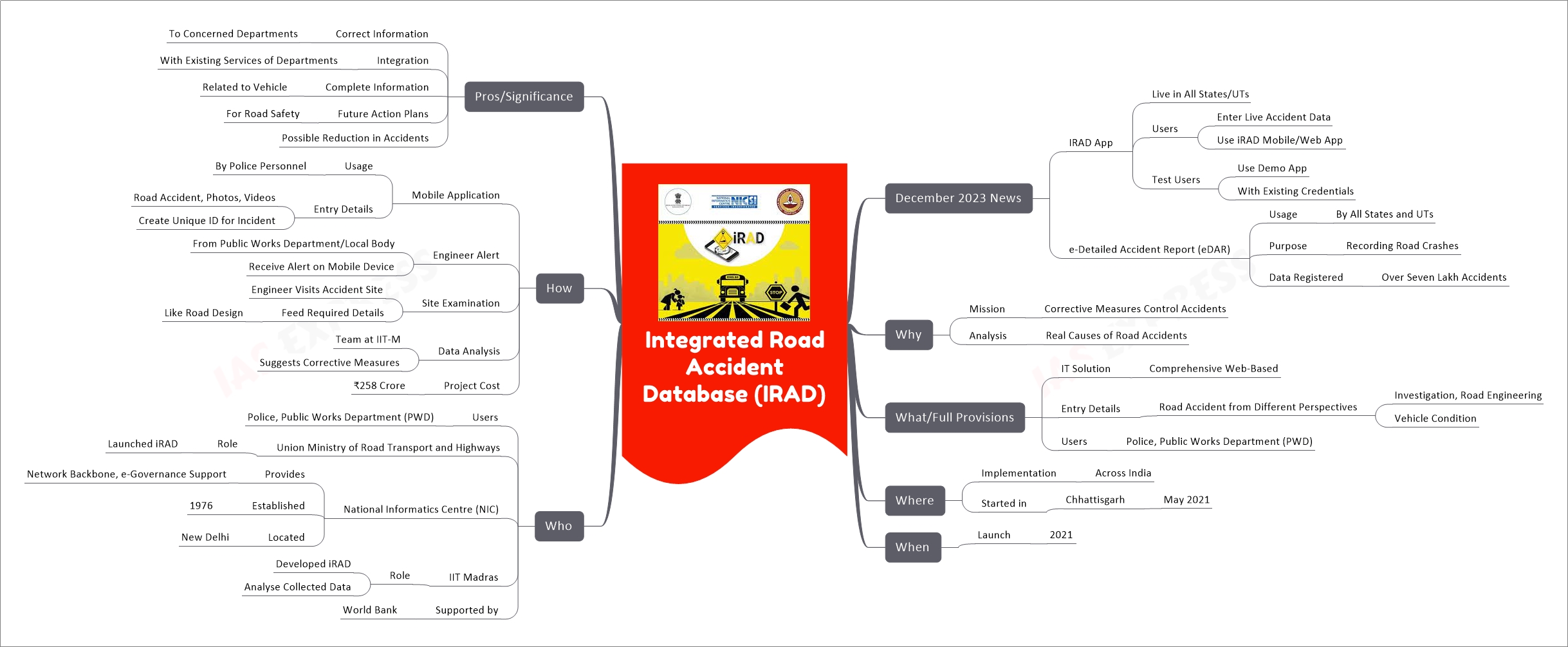
The Integrated Road Accident Database (IRAD), developed by IIT Madras and implemented by the National Informatics Centre, is a comprehensive web-based IT solution aimed at controlling and reducing road accidents in India. It enables police and other agencies to record and analyze road accident data from various perspectives, leading to better-informed corrective measures and future action plans for road safety.
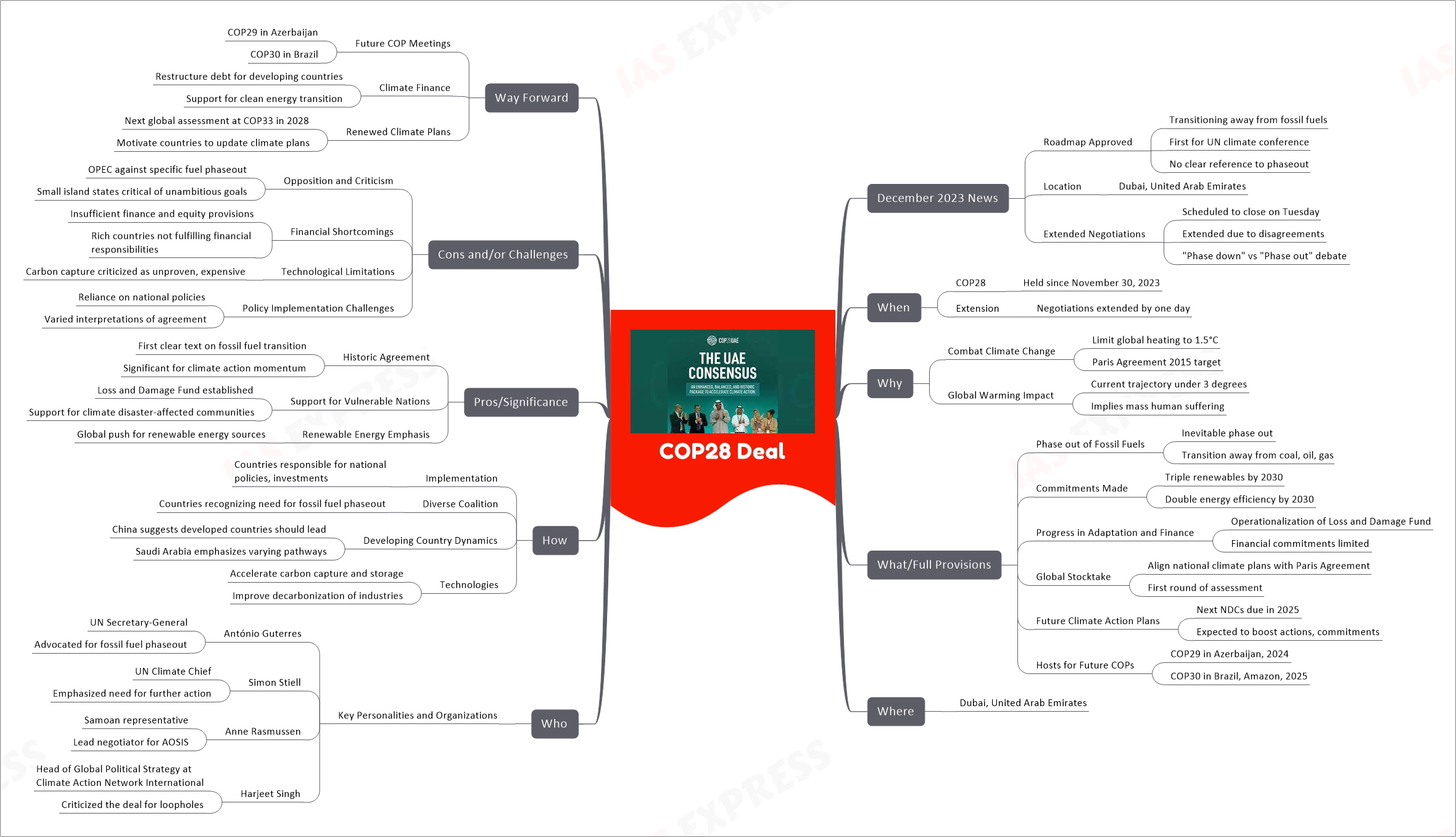
In December 2023, COP28 concluded in Dubai with a historic agreement to begin transitioning away from fossil fuels, marking a significant step in the global effort to combat climate change. The deal, reached after extended negotiations, emphasized the inevitable phaseout of coal, oil, and gas, aiming to limit global heating to 1.5°C in alignment with the Paris Agreement. The conference also witnessed progress in adaptation and finance, including the establishment of a Loss and Damage Fund to support climate-vulnerable nations. However, the deal faced criticism for its lack of ambitious language and sufficient financial commitments from wealthy nations. The COP28 outcome sets a foundation for future climate action, with an emphasis on renewable energy expansion and improved climate finance mechanisms, while acknowledging the challenges ahead in policy implementation and technological development.
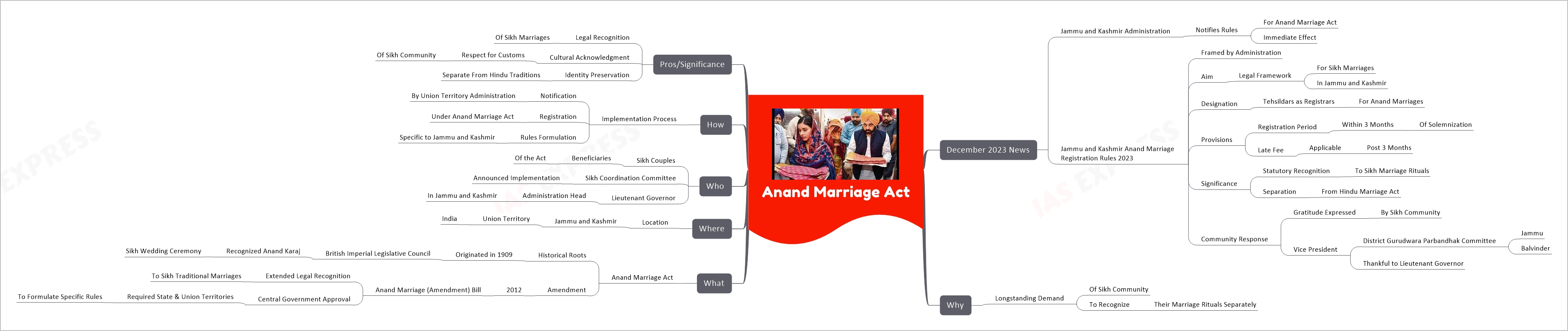
The main issue here is the implementation of the “Jammu and Kashmir Anand Marriage Registration Rules, 2023,” which allows Sikh couples in Jammu and Kashmir to register their marriages under the Anand Marriage Act. This development provides statutory recognition to Sikh marriage rituals, separating them from the Hindu Marriage Act. It addresses the long-standing demand of the Sikh community for recognition and respect of their marriage customs and further legalizes their traditional marriage ceremonies, which date back to 1909. The rules require Sikh couples to register their marriages within three months of solemnization, with a late fee for late registrations, and designate tehsildars as registrars for these marriages. This significant step by the Jammu and Kashmir administration is a gesture of respect towards the Sikh community’s customs and traditions.
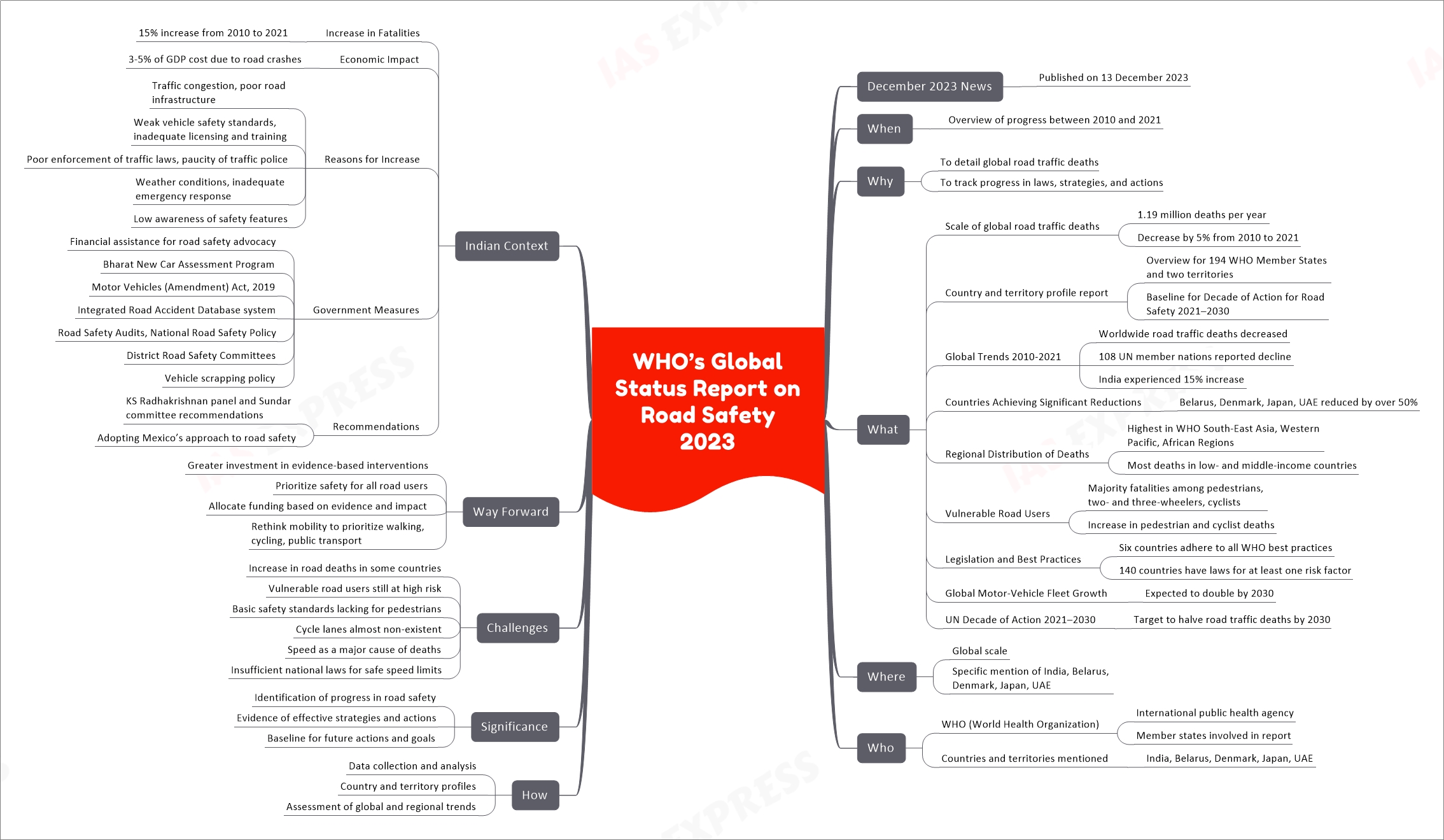
The WHO’s Global Status Report on Road Safety 2023 is an extensive analysis of road traffic deaths worldwide, detailing progress and challenges in improving road safety between 2010 and 2021. The report highlights a slight decrease in road traffic deaths to 1.19 million per year and underscores the efforts to enhance road safety globally. It provides a baseline for the United Nations Decade of Action for Road Safety 2021-2030, which aims to halve road traffic deaths and injuries by 2030. The report notes significant regional and country-specific trends, including a notable increase in road fatalities in India and substantial reductions in countries like Belarus, Denmark, Japan, and the UAE. The challenges include addressing the safety needs of vulnerable road users, implementing effective legislation, and coping with the expected growth in global motor-vehicle fleets. The report calls for more evidence-based interventions, better resource allocation, and a rethinking of mobility to prioritize safer, more sustainable transport options.
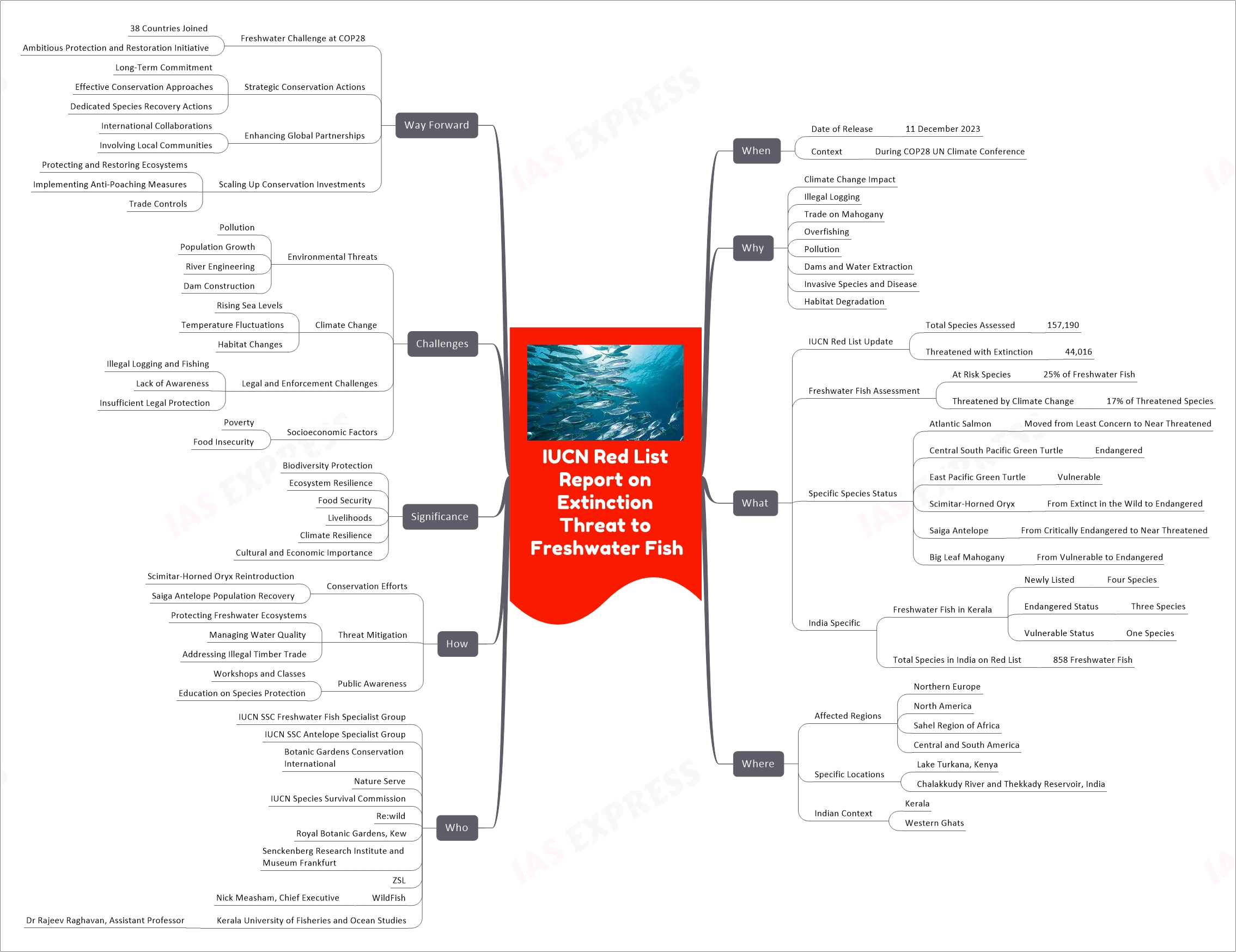
Summary: On December 11, 2023, during the COP28 UN Climate Conference, the IUCN released a concerning report about the extinction threat to freshwater fish. The update highlighted that out of 157,190 species assessed, 44,016 are threatened with extinction. Specifically, 25% of freshwater fish are at risk, with climate change affecting 17% of these threatened species. The report noted changes in the status of several species: the Atlantic Salmon moved to ‘Near Threatened’, the Central South Pacific Green Turtle is now ‘Endangered’, while the Saiga Antelope improved from ‘Critically Endangered’ to ‘Near Threatened’. In India, particularly Kerala and the Western Ghats, new assessments listed four freshwater fish species, with three categorized as ‘Endangered’ and one as ‘Vulnerable’. Various organizations are involved in conservation efforts, including reintroduction and recovery programs, and addressing threats like illegal logging, overfishing, and pollution. The report emphasizes the need for global partnerships, increased conservation investments, and strategic actions for biodiversity protection, ecosystem resilience, and tackling climate change and environmental threats.
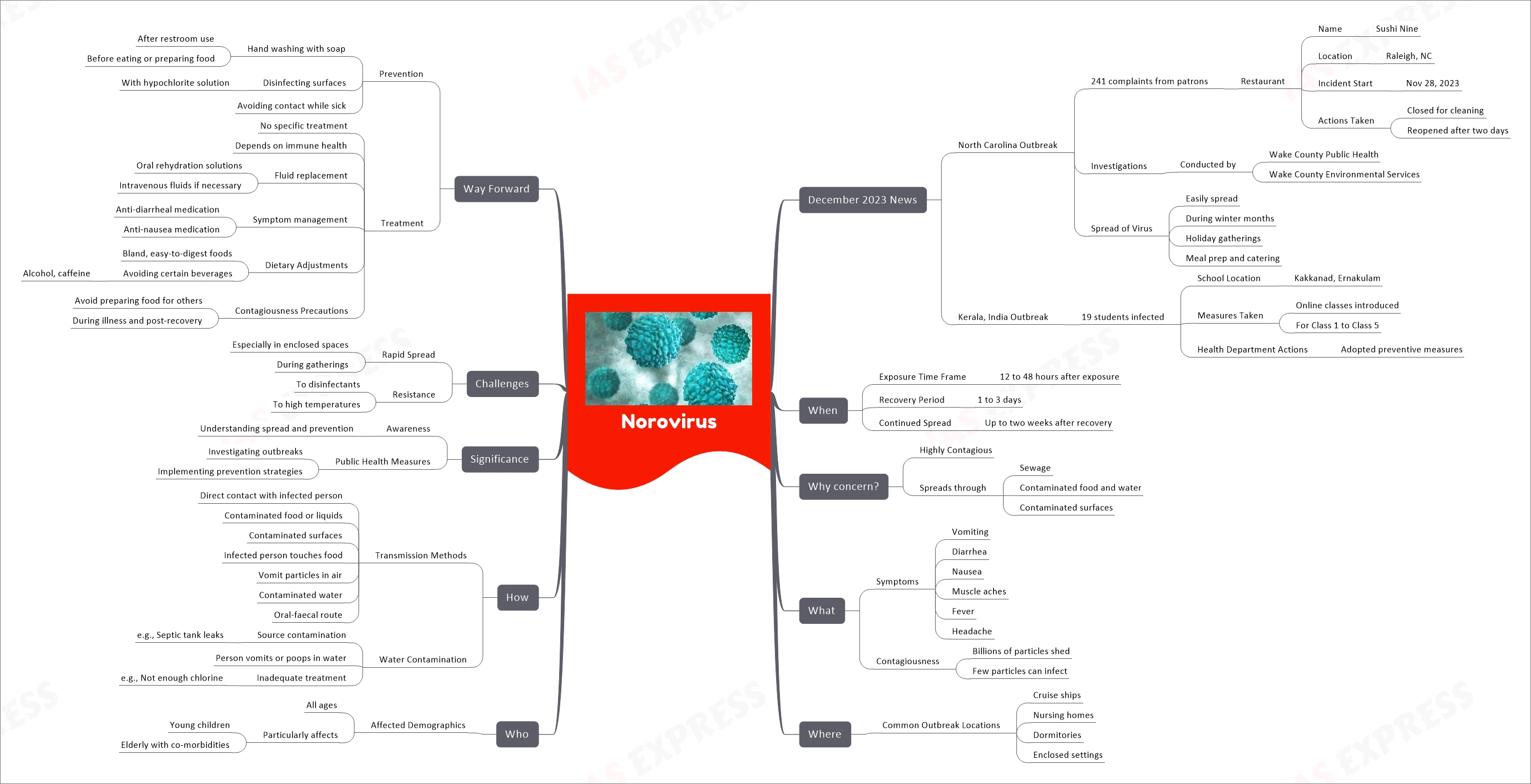
The recent Norovirus outbreaks in December 2023 affected numerous individuals in North Carolina, USA, and in Kerala, India. Norovirus, known for causing stomach flu or winter vomiting bug, is highly contagious and spreads through contaminated food, water, and surfaces, as well as direct contact with infected individuals. Common symptoms include vomiting, diarrhea, nausea, and stomach pain. The virus is particularly dangerous for young children and the elderly with co-morbidities. While there is no specific treatment, managing symptoms and preventing dehydration are key. Preventive measures include thorough hand washing, disinfecting surfaces, and avoiding food preparation when sick. The outbreaks highlight the need for heightened awareness and public health measures to control the spread of this virus.
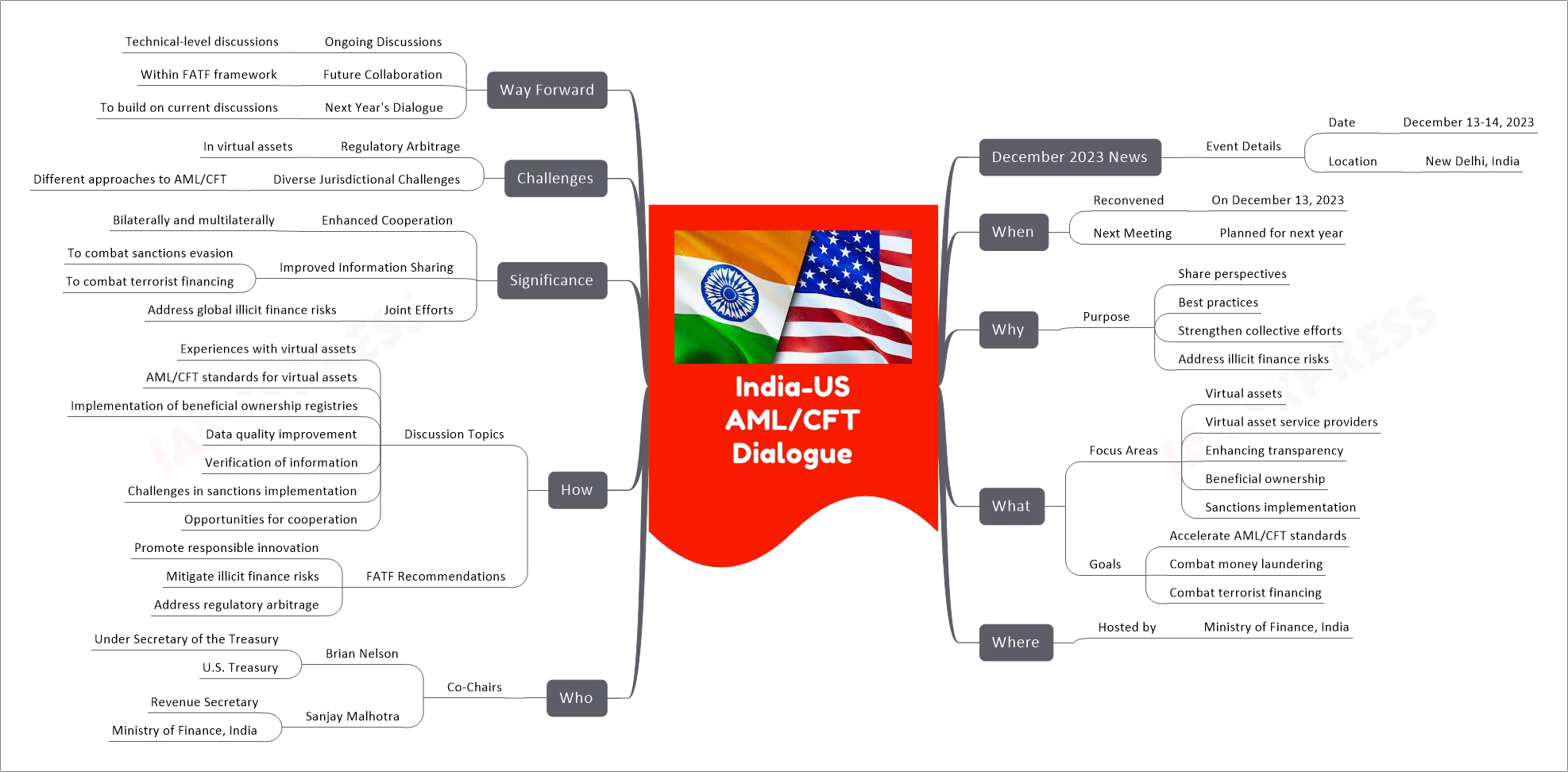
The India-US AML/CFT Dialogue held in December 2023 was a significant event where officials from both countries gathered to discuss and share best practices in combating money laundering and terrorist financing. The dialogue focused on issues like the regulation of virtual assets, enhancing transparency in beneficial ownership, and challenges in implementing sanctions. The meeting was co-chaired by Brian Nelson from the U.S. Treasury and Sanjay Malhotra from the Indian Ministry of Finance. This dialogue highlighted the commitment of both nations to collaborate in addressing illicit finance risks in the international financial system, with plans to continue these discussions in the future and convene the dialogue again the following year.
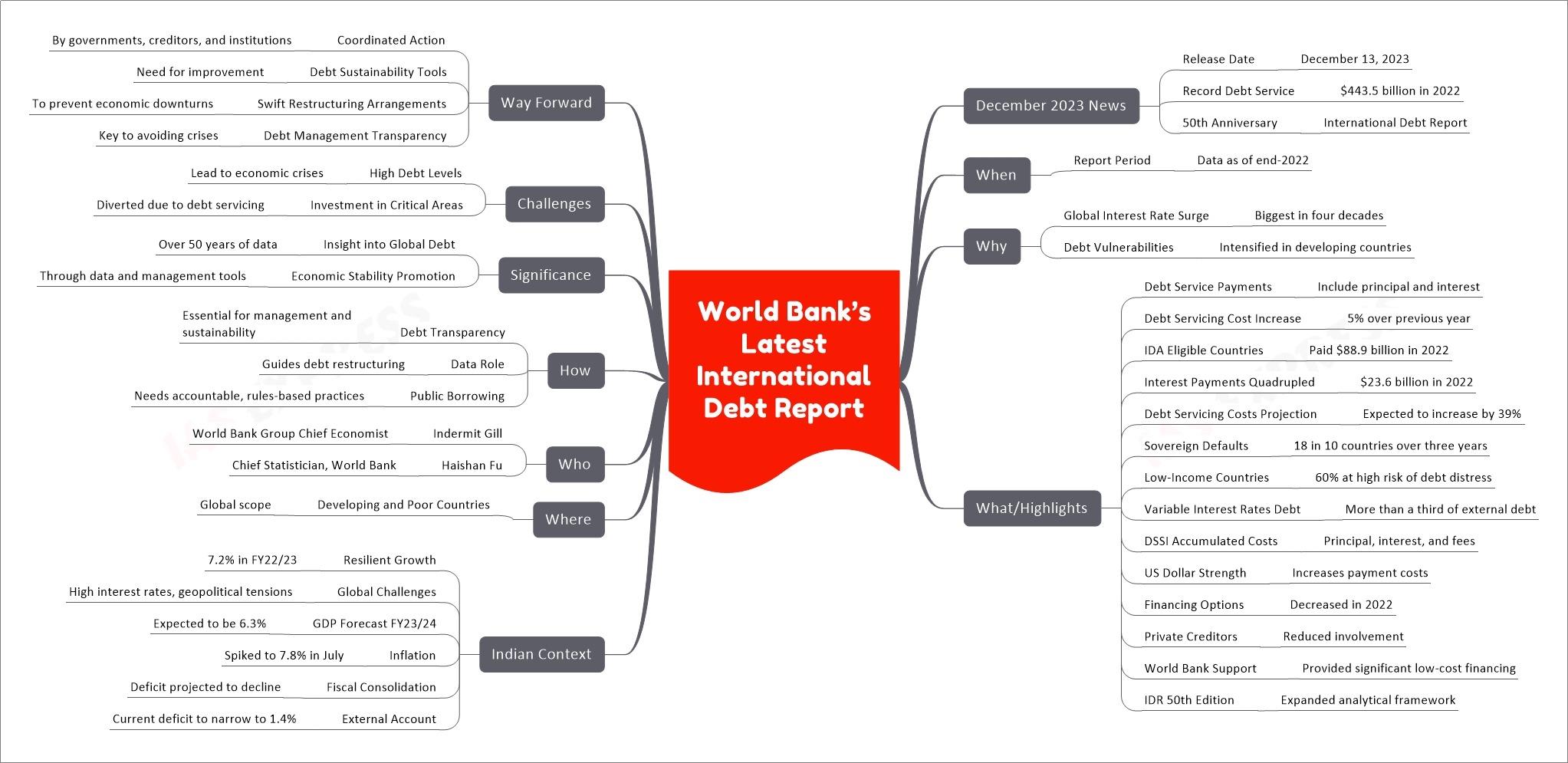
The World Bank’s International Debt Report of December 2023 revealed a record high in debt service payments by developing countries, totaling }$443.5 billion in 2022, influenced by the largest surge in global interest rates in four decades. This surge has significantly affected developing nations, with debt service payments increasing by 5% from the previous year. The report, marking its 50th edition, highlights the increasing vulnerabilities in developing countries, including an alarming number of sovereign defaults and the high risk of debt distress in low-income countries. It emphasizes the importance of debt transparency and management for economic stability and sustainable growth. In the context of India, despite global challenges, the country has shown resilient growth, with a 7.2% growth rate in FY22/23 and an expected GDP growth of 6.3% for FY23/24, albeit with concerns over inflation and fiscal consolidation challenges.

If you like this post, please share your feedback in the comments section below so that we will upload more posts like this.

Responses