
Global Plastic Pollution Crisis: Causes, Effects, Solutions


From Current Affairs Notes for UPSC » Editorials & In-depths » This topic
The global plastic pollution crisis has reached an alarming state, as highlighted by recent findings. The OECD’s ‘Global Plastic Outlook’ reveals that global plastic consumption has soared, largely driven by the growth of emerging economies. From 2000 to 2019, plastics production doubled to 460 million tonnes, and waste generation swelled to 353 million tonnes. A staggering two-thirds of this plastic waste comes from products with a lifespan of less than five years, with packaging being the primary culprit at 40%. Shockingly, only 9% of this massive waste is recycled. The rest is either incinerated (19%), dumped in landfills (50%), or mismanaged (22%), often polluting land and water bodies, particularly in poorer nations. This sets a grim backdrop for understanding the multifaceted nature of a crisis that demands urgent and comprehensive global action.
What Is The Nature Of This Crisis?
- Defining the Plastic Pollution Problem
- The crisis refers to the massive and uncontrolled accumulation of plastic items throughout the Earth’s environment.
- This accumulation has grown to a scale where it causes significant harm to wildlife, natural habitats, and human health.
- The central issue is the material’s durability; plastic does not naturally biodegrade. Instead, it fragments over time into progressively smaller pieces known as microplastics and nanoplastics.
- Key Features of Plastic Waste
- Extreme Durability and Longevity
- Plastic products are designed to last, which means they persist in the environment for hundreds or even thousands of years.
- For instance, a common plastic bottle can take approximately 450 years to decompose, leaving behind toxic residues.
- Harmful Chemical Composition
- Plastics are synthetic polymers, and to enhance their properties, they are often mixed with a variety of chemical additives.
- These additives, which include substances like phthalates and bisphenol A (BPA), can be toxic and are known to leach out of the plastic and into soil, water, and eventually, the food chain.
- The Dominance of Problematic Plastics
- Single-Use Plastics: These items are designed to be used only once before disposal and represent the largest and most problematic category of plastic waste.
- Common examples that litter our surroundings include plastic carry bags, food wrappers, straws, cups, and disposable cutlery.
- Globally, 40% of all plastic waste generated comes from packaging alone, much of which is single-use.
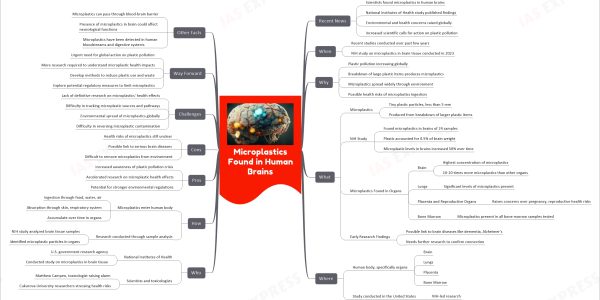
- Microplastics and Nanoplastics: These are minuscule plastic particles measuring less than 5 millimeters in diameter.
- They originate from two sources: primary microplastics are intentionally manufactured for use in products like facial scrubs and cosmetics, while secondary microplastics are formed from the breakdown of larger plastic debris.
- Their tiny size makes them easily ingestible by marine life and nearly impossible to filter out from our water systems.
- Single-Use Plastics: These items are designed to be used only once before disposal and represent the largest and most problematic category of plastic waste.
- Extreme Durability and Longevity
Why Has This Crisis Escalated So Drastically?
- Underlying Factors Driving Production
- Economic Expansion and Consumer Culture
- The rapid economic growth of emerging markets has fueled a surge in consumerism and a demand for packaged, convenient goods.
- This trend is reflected in production figures: global plastics production skyrocketed from 230 million tonnes in 2000 to 460 million tonnes in 2019, effectively doubling in under two decades.
- Unmatched Versatility and Low Cost
- Plastic is an incredibly versatile material. It is lightweight, strong, waterproof, and, most importantly, extremely cheap to produce from fossil fuels.
- These qualities have made it the default material for a nearly endless range of products, from life-saving medical equipment to disposable coffee cup lids.
- Economic Expansion and Consumer Culture
- Systemic Failures in Waste Management
- Grossly Inadequate Infrastructure
- A significant portion of the world, particularly in developing nations, lacks the fundamental infrastructure needed to properly collect, sort, process, and manage plastic waste.
- According to the OECD, a shocking 22% of all plastic waste evades management systems entirely, ending up in open dumpsites or leaking directly into the environment.
- Dismally Low Recycling Rates
- Despite widespread awareness campaigns, only 9% of all plastic waste ever produced has been successfully recycled.
- This failure stems from multiple issues:
- It is often more profitable for manufacturers to produce new (virgin) plastic than to use recycled plastic.
- Many plastic products are inherently difficult to recycle due to their complex composition, such as multi-layered packaging for food items, or because they are contaminated with food residue.
- The Global Trade of Plastic Waste
- For many years, wealthier developed countries managed their plastic problem by exporting it to developing countries, which often had less stringent environmental regulations.
- This practice overwhelmed the recipient countries’ waste management capacities and unfairly shifted the environmental burden.
- Grossly Inadequate Infrastructure
Where Is This Pollution Most Concentrated?
- Major Geographical Hotspots
- The World’s Oceans and Marine Ecosystems
- It is estimated that over 11 million tonnes of plastic waste floods into the oceans annually, a figure projected to triple by 2040 if no action is taken.
- This plastic debris accumulates in massive rotating ocean currents known as gyres, forming “garbage patches.” The most infamous of these is the Great Pacific Garbage Patch, which covers an area three times the size of France.
- Rivers as Plastic Superhighways
- Rivers serve as the primary conduits for transporting plastic waste from inland areas to the sea.
- Research indicates that a small number of major rivers, predominantly located in Asia, are responsible for carrying the majority of the plastic that pollutes our oceans.
- Pervasive Land-Based Contamination
- The largest single destination for plastic waste is landfills, where an enormous 50% of it is buried.
- Beyond official landfills, uncontrolled dumpsites are a common feature in many regions, leading to the long-term contamination of soil and groundwater as harmful chemicals leach from the plastic.
- The World’s Oceans and Marine Ecosystems
When Did This Problem Become A Crisis?
- A Historical Timeline of Plastic’s Rise
- Early 20th Century: The first fully synthetic plastics, such as Bakelite, were invented. However, their production remained limited and specialized.
- Post-World War II (1950s Onwards): This era marked the dawn of mass plastic production. The concept of a “throwaway” lifestyle was heavily marketed, promoting disposable products as a sign of modern convenience and progress.
- The Great Acceleration (2000-Present)
- The scale of plastic production has exploded in the 21st century. More than half of all plastics ever manufactured have been produced in just the last two decades.
- This unprecedented acceleration is directly tied to globalization, the expansion of global supply chains, and the corresponding growth in fast-moving consumer goods that rely heavily on plastic packaging.
Who Are The Key Actors Involved?
- Producers and Corporations
- A relatively small group of multinational corporations in the petrochemical, food and beverage, and consumer goods sectors are responsible for producing the vast majority of the world’s single-use plastic.
- Governments and Policymakers
- National and local governments hold the power to regulate the plastic industry, from production and product design to waste management and disposal. Their policies, or lack thereof, are a determining factor in the severity of the crisis.
- Consumers
- The choices made by individual consumers collectively create the demand that fuels plastic production. The preference for convenience and disposable products is a major driver. However, consumer behavior is heavily influenced by the choices and systems created by producers and governments.
- The Waste Management Sector
- This includes both formal municipal waste collection services and the vast informal sector of waste pickers. In many developing nations, waste pickers are the backbone of the recycling system, yet they often work in hazardous conditions without formal recognition or protection.
How Can This Enormous Challenge Be Tackled?
- Upstream Solutions: Preventing Waste at the Source
- Drastically Reducing Plastic Production
- This involves implementing policies that cap the production of new, virgin plastics, with a primary focus on eliminating non-essential and problematic single-use items.
- Redesigning Products for a Circular Future
- This is a core tenet of the circular economy. It means designing products to be durable, reusable, repairable, and, at the end of their life, easily and economically recyclable.
- Drastically Reducing Plastic Production
- Downstream Solutions: Managing Existing Waste Effectively
- Investing in Universal Waste Collection
- Ensuring that every household and business has access to a reliable waste collection system is the most fundamental step to prevent plastic from leaking into the environment.
- Significantly Scaling Up Recycling
- This requires massive investment in advanced sorting and recycling technologies that can handle a wider variety of plastic types. It also needs policies that create a stable market and economic incentives for using recycled content.
- Investing in Universal Waste Collection
- Fostering Global and International Cooperation
- A globally coordinated response is essential. The ongoing negotiations for a legally binding UN Global Plastic Treaty represent a historic opportunity to create a unified framework to end plastic pollution.
What Is The Situation In India?
- The Scale of the Problem in India
- India is one of the world’s top generators of plastic waste, with an annual figure estimated to be in the millions of tonnes.
- Metropolitan areas like Delhi, Mumbai, and Bengaluru are major plastic waste hotspots.
- While India’s per capita plastic consumption is currently below the global average, it is increasing at a very rapid pace with economic growth.
- Key Government Initiatives and Policies
- Plastic Waste Management (PWM) Rules
- India has established a comprehensive legal framework to address the issue. A key component of these rules is the principle of Extended Producer Responsibility (EPR).
- EPR makes producers, importers, and brand owners financially and operationally responsible for the collection and environmentally sound management of the plastic packaging they introduce into the market.
- Nationwide Ban on Single-Use Plastics
- In a significant move in 2022, the Indian government implemented a ban on the manufacture, import, stocking, distribution, sale, and use of specific single-use plastic items that have low utility and high littering potential, such as plastic cutlery, straws, and decorative thermocol.
- Plastic Waste Management (PWM) Rules
- Challenges and Gaps on the Ground
- Weak Enforcement and Implementation: The success of these ambitious policies is often hindered by inconsistent enforcement and significant implementation gaps, particularly in rural and semi-urban areas.
- The Role of the Informal Sector: A large portion of India’s recycling is performed by millions of informal waste pickers. These individuals are crucial to the system but often face poor working conditions, social stigma, and lack of integration into the formal waste management framework.
- Severe River Pollution: Iconic rivers like the Ganga and Yamuna are heavily choked with plastic waste, which devastates aquatic ecosystems, impacts water quality, and harms the livelihoods of communities that depend on these rivers.
What Does a Comparison of Solutions Show?
A comparison of different strategies for handling plastic waste reveals a clear hierarchy of effectiveness. The chart below contrasts the main approaches, highlighting why a focus on prevention is superior to end-of-pipe management.
| Strategy | Description | Pros | Cons |
|---|---|---|---|
| Reduce & Reuse | Minimizing the consumption of new plastic and using items multiple times. This is the cornerstone of a circular economy. | Most sustainable approach; prevents waste and pollution at the source; conserves resources. | Requires significant behavioral change from consumers and systemic change from industries. |
| Recycle | Processing used plastic materials to create new products. | Conserves virgin resources; reduces the amount of waste sent to landfills; can create jobs. | Globally low rates (~9%); technically challenging for many plastic types; often results in “downcycling” to lower-quality products. |
| Incinerate (Waste-to-Energy) | Burning plastic waste in controlled facilities to generate heat or electricity. | Drastically reduces the volume of waste requiring disposal; can generate energy. | Releases greenhouse gases and toxic pollutants (dioxins, furans); destroys the material value of the plastic forever. |
| Landfill | Disposing of plastic waste by burying it in designated land sites. | Appears to be a simple and low-cost solution in the short term. | Leads to long-term soil and groundwater pollution; occupies valuable land; plastic persists for centuries, acting as a ticking time bomb. |
What Is The Significance Of Tackling This Crisis?
- Protecting Global Ecosystems
- Acting decisively on plastic pollution is vital for the preservation of marine and terrestrial biodiversity.
- It helps prevent the agonizing deaths of countless animals from entanglement in plastic debris and ingestion of plastic fragments. Sea turtles, for example, frequently mistake floating plastic bags for jellyfish, their natural food, with fatal consequences.
- Safeguarding Human Health
- The crisis is no longer just “out there” in the environment. Microplastics have been found in the food we eat, the water we drink, the salt we use, and even the air we breathe.
- While the full long-term impact on human health is still under intense investigation, the toxic chemicals used in plastics are known endocrine disruptors and are linked to a range of serious health problems.
- Ensuring Economic Stability
- Unchecked plastic pollution inflicts significant economic damage. It harms key sectors like tourism by degrading natural landscapes and coastlines, and it devastates the fishing industry through stock depletion and gear damage.
- The mounting costs of cleanup operations, waste management, and public health impacts place a heavy financial burden on governments and taxpayers worldwide.
What Are The Challenges And Limitations?
- Overcoming Economic Barriers
- A fundamental challenge is the economics of plastic. The low price of oil and gas makes producing new, virgin plastic incredibly cheap, often more profitable than investing in the infrastructure and processes required to use recycled materials.
- Navigating Technical Complexity
- The world of plastics is not simple. There are thousands of different types of polymers, each mixed with a unique cocktail of chemical additives. This sheer variety makes sorting and recycling a technically complex and costly endeavor.
- Fostering Social and Behavioral Change
- Moving society away from a deeply ingrained culture of convenience and disposability is perhaps the most profound challenge. This requires a long-term, concerted effort in education, public awareness, and providing viable, sustainable alternatives.
What Is The Way Forward For Our Planet?
- Fully Embracing a Circular Economy
- The ultimate solution is a paradigm shift from our current linear “take-make-dispose” model to a circular one.
- In a circular economy for plastics, waste is eliminated by design. Products are made to be durable, reused, and repaired, and at the end of their life, they are efficiently recycled back into high-value products, keeping the material in the economy and out of the environment.
- Forging a Strong International Agreement
- A robust and legally binding Global Plastic Treaty is critical to harmonize regulations, set clear global targets for reduction, and ensure that all countries and corporations are held accountable to a common standard.
- Championing and Investing in Innovation
- This involves a dual focus: developing novel materials that are biodegradable or more easily recycled, and simultaneously investing in advanced recycling technologies (like chemical recycling) that can break down complex plastics into their basic components.
- Empowering Local and Community-Led Action
- Top-down policies must be complemented by bottom-up action. Supporting community-led waste management initiatives, promoting decentralized solutions, and empowering the informal sector can create highly effective and context-specific results.
In conclusion, the global plastic pollution crisis is a deeply complex problem with profound economic, social, and environmental roots. It represents a systemic failure of our linear economic model and cannot be solved with piecemeal efforts. The challenge is immense, but a clear path forward exists. It requires a transformative combination of binding international policies that hold producers accountable, massive investment in technological innovation, and a fundamental global shift in consumer and corporate behavior towards a circular economy. The urgency, underscored by the exponential growth of plastic waste, dictates that slow, incremental changes are no longer sufficient. A bold, coordinated, and global effort is the only way to mitigate the enduring damage of plastic on our planet, our health, and our future.
Q. Critically examine the role of Extended Producer Responsibility (EPR) as a policy tool in addressing the plastic pollution crisis in developing countries. (250 words)

Related Posts

If you like this post, please share your feedback in the comments section below so that we will upload more posts like this.

Responses