High-Altitude Pseudo Satellite Vehicle (HAPS)

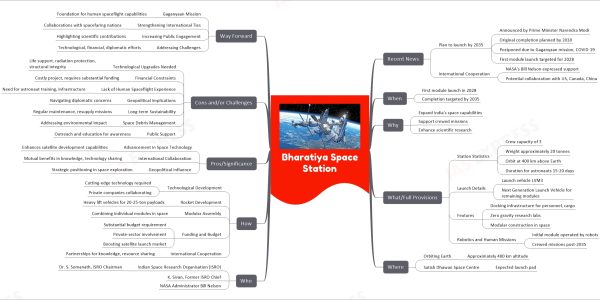
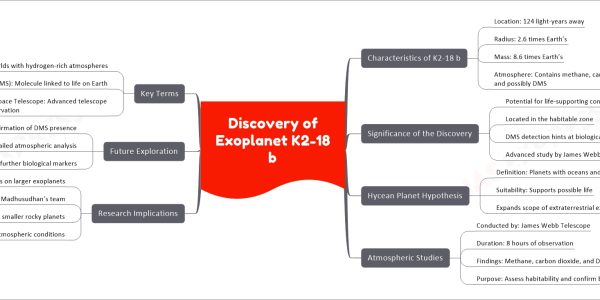
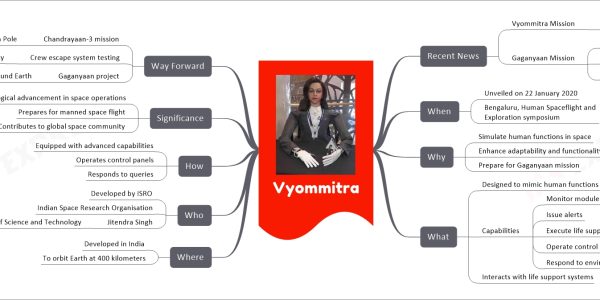
High-Altitude Pseudo Satellite Vehicle (HAPS) mind map

  Recent News
    BAE Systems launched PHASA-35
      Altitude over 66,000 ft
    Mira Aerospace tested ApusDuo
      Altitude 16,686 m
      Wingspan 15 m
      Payload 3.6 kg
  When
    Development Timeline
      2016
        UK MOD ordered Zephyr S UAVs
      2018
        Zephyr S set flight endurance record
      2019-2023
        Ongoing development and testing
  Why
    Purpose
      Services similar to satellites
      Benefits
        Rapid deployment
        Lower costs
        Operational flexibility
  What
    Capabilities
      Telecommunications
      Earth Observations
      GNSS
      Scientific applications
      Lower latency than satellites
    Technical Features
      Operate at altitudes 18-22 km
      Stratospheric conditions
        Low temperatures
        High solar, UV radiation
        Low atmospheric pressure
  Where
    Operating Zone
      Stratosphere
      Altitudes 59,000-72,000 ft
  Who
    Key Manufacturers
      Airbus
      BAE Systems
      AeroVironment, Inc.
      THALES
    Applications
      Military
      Security
      Civil missions
        Maritime surveillance
        Border patrol
  How
    Functioning
      Advanced battery and solar cell technologies
      Autonomous operation
      AI for data processing
  Significance
    Advantages
      Cost-effective
      Flexible
      Suitable for various applications
        Disaster management
        Surveillance
        Communication
  Challenges
    Limitations
      Weather hazards
      Technological challenges
        Battery efficiency
      Need for global regulations
      Meteorological data requirements
  Way Forward
    Future Prospects
      Battery technology advancements
      Remote sensor miniaturization
      Integration into global networks

High-Altitude Pseudo Satellite Vehicles (HAPS) are innovative unmanned aerial systems operating in the stratosphere, providing satellite-like services with added flexibility and lower costs. They hold immense potential for applications in telecommunications, surveillance, environmental monitoring, and disaster management. Despite facing challenges such as weather hazards and technological limitations, ongoing advancements in battery technology and AI integration suggest a promising future for HAPS in enhancing global communication and observation capabilities.

Related Posts
If you like this post, please share your feedback in the comments section below so that we will upload more posts like this.

Responses

🖍️ Highlight
HomeCoursesPlansAccount