
5.1.4 Human Capital and Economic Growth | Theories of Economic Growth
Introduction
Human capital, defined as the knowledge, skills, and health that individuals accumulate over their lives, has emerged as a central pillar in modern theories of economic growth. This article provides an in-depth analysis of the intricate relationship between human capital formation and economic development, with a particular focus on the Indian context. By examining the historical evolution of the concept, its fundamental components, and the theoretical frameworks that link it to economic progress, this exploration aims to provide a comprehensive understanding of how investments in people drive economic prosperity. The discussion will encompass the microeconomic foundations of human capital investment, its macroeconomic impacts, the role of institutions and government policies, the specific context of India, measurement challenges, global comparisons, the influence of technological advancements, and future trends in human capital development, culminating in a comparative analysis of key indicators.
Defining and Conceptualizing Human Capital
- Historical Evolution of the Concept
- Adam Smith, in his seminal work, recognized the significance of the “acquired and useful abilities of all the inhabitants or members of the society” as a crucial form of capital. This early acknowledgment suggests a long-standing understanding that the capabilities of a population are not merely labor but productive assets contributing to a nation’s wealth. Smith’s categorization of fixed capital included these acquired talents, indicating a foundational recognition that economic prosperity extends beyond physical assets to encompass the skills and knowledge of individuals. This perspective laid the groundwork for later economists to formalize and expand upon the concept of human capital.
- The term “human capital” may have first been used by Irving Fisher. While Smith identified the underlying concept, Fisher’s potential explicit naming of it marked a significant step towards its formal recognition within the field of economics. The act of naming a concept often signifies its growing importance and facilitates more focused discussion and analysis within an academic discipline.
- The 1960s witnessed the popularization of “human capital” by economists associated with the Chicago School, notably Gary Becker, Jacob Mincer, and Theodore Schultz. Their work brought the concept into the mainstream of economic thought, with a particular emphasis on education and training as forms of investment analogous to investments in physical capital. Becker’s influential book, “Human Capital,” published in 1964, became a standard reference for many years, solidifying the theoretical framework. Schultz, in his 1961 presidential address to the American Economic Association, argued for the recognition of free people’s skills and knowledge as capital, despite initial resistance stemming from concerns about equating human beings with property. Mincer’s earlier work in 1958 linked investments in human capital to the distribution of personal income, further establishing the economic relevance of the concept.
- Paul Romer was jointly awarded the 2018 Nobel Prize in Economics for his work in conceptualizing and modeling economic growth, with human capital identified as a pivotal factor. This prestigious recognition underscores the contemporary importance of human capital in understanding the drivers of innovation-led economic expansion. Romer’s contributions to endogenous growth theory explicitly incorporate human capital as a key determinant of long-term economic progress, moving beyond earlier growth models that treated technological advancement as an external force.
- More recently, in 2004, the concept of “task-specific human capital” was introduced by Gibbons and Waldman. This more nuanced perspective acknowledges that human capital is not always universally transferable but can be specific to particular jobs or required skills. This understanding adds a layer of complexity to the traditional view of human capital. This concept helps to explain variations in wage dynamics and job assignments within firms, recognizing that the value of certain skills may be more pronounced in specific contexts.
- Key Definitions and Interpretations
- The World Bank defines human capital as the knowledge, skills, and health that individuals invest in and accumulate throughout their lives, enabling them to realize their potential as productive members of society. This definition emphasizes the lifelong process of accumulation and the ultimate goal of enhancing productivity and contributing to societal well-being. The World Bank’s Human Capital Project, which involves 95 countries across various income levels as of October 2024, highlights the global consensus on the critical role of human capital in fostering both equity and economic growth. The Human Capital Index (HCI), developed by the World Bank, serves as a tool to quantify the contribution of health and education to the future productivity of workers.
- Investopedia describes human capital as the intangible economic value derived from a worker’s experience and skills, further enhanced by education, training, intelligence, health, loyalty, and punctuality. This definition underscores the non-physical nature of human capital and includes broader attributes that employers often value. Investopedia also notes that while human capital does not appear on a company’s balance sheet, it is widely recognized as a driver of increased productivity and profitability.
- Wikipedia defines human capital as the personal attributes that are considered useful in the production process, encompassing an individual’s knowledge, skills, know-how, good health, and education, which collectively have a substantial impact on their individual earnings. This definition highlights the direct link between an individual’s human capital and their economic outcomes. Wikipedia also points to a broader categorization of human capital into knowledge capital, social capital, and emotional capital, suggesting a more comprehensive and holistic understanding of the concept.
- Merriam-Webster defines human capital as the skills, knowledge, and qualifications of an individual or workforce that are considered as economic assets. This concise definition clearly positions human capital as a valuable resource in economic terms. The examples provided by Merriam-Webster emphasize the fundamental role of intelligence and a skilled workforce in driving both company and national economic progress.
- Britannica provides a comprehensive definition, describing human capital as the intangible collective resources possessed by individuals and groups within a population, including their knowledge, talents, skills, abilities, experience, intelligence, training, judgment, and wisdom. This definition broadens the scope to include not just individual attributes but also collective resources, emphasizing their potential to generate material wealth at both national and organizational levels. Britannica connects human capital to the human-resource capitalism model, which prioritizes continuous investment in the development of human resources as a means of improving productivity and performance.
- Distinguishing Human Capital from Physical and Financial Capital
- A key distinction of human capital is that it is inherently embodied in people and cannot be separated from them. Unlike physical capital, such as machinery and buildings, or financial capital, like money and stocks, human capital is not owned by an employer and moves with the individual. This inseparability has significant implications for investment strategies and the distribution of returns. While a company owns its physical assets, it relies on individuals to bring their accumulated human capital to the production process.
- Human capital is enhanced through investments in areas such as education, training, and health. These investments serve to increase an individual’s productive capacity, much like investments in machinery can increase output. Economists Gary Becker and Theodore Schultz were instrumental in highlighting this analogy, arguing that expenditures on education and training yield returns in a manner similar to investments in physical capital.
- Human capital is subject to depreciation over time due to various factors, including unemployment, injury, the natural process of aging, or the inability to keep pace with technological and economic innovation. This potential for depreciation underscores the necessity of continuous investment in human capital to maintain and enhance its value. Just as physical capital requires regular maintenance and upgrades, human capital needs ongoing development through continuous learning and skill enhancement to remain relevant and productive.
- Despite the possibility of depreciation, human capital is also considered a renewable source of productivity. Through ongoing learning, skill development, and the acquisition of new knowledge, human capital can be replenished and even increased over time, unlike many non-renewable resources. This inherent renewability makes human capital a critical driver of long-term sustainable economic growth for individuals, organizations, and entire economies.
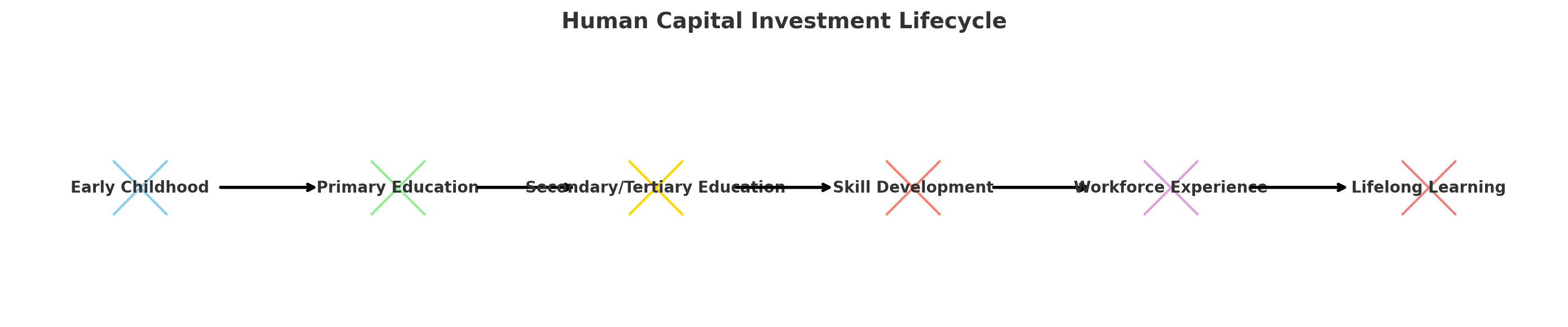
The Core Components of Human Capital
- Education and its Multifaceted Impact
- Levels of Education and Economic Productivity
- Education serves as a foundational component of human capital, providing individuals with essential knowledge and cognitive skills that are crucial for fostering innovation and effective problem-solving. Different levels of educational attainment contribute to varying degrees of economic productivity and the capacity for innovation. For instance, while primary education establishes basic literacy and numeracy, secondary education broadens the knowledge base, and tertiary education cultivates specialized skills and the ability to engage in advanced research.
- A strong positive correlation exists between higher educational attainment and increased earnings and income levels. Individuals who invest in more education typically command higher wages in the labor market, indicating a direct private return on their investment in human capital. Studies conducted in the United States have consistently demonstrated that obtaining a college education significantly raises a person’s income. Similarly, in India, while the specific returns may vary across different fields of study, data generally suggests that individuals with higher levels of education, such as postgraduate degrees in professional fields like engineering or management, tend to earn substantially more than those with only a bachelor’s degree in arts or sciences.
- Tertiary education, encompassing universities and vocational training programs, plays a vital role in developing the high-level skills and specialized expertise that are increasingly necessary for success in knowledge-based economies. These institutions are crucial for producing the skilled workforce required to drive innovation and maintain competitiveness in the global market. The remarkable growth of India’s information technology (IT) sector, for example, is heavily dependent on the continuous output of its numerous engineering colleges and other institutions of tertiary education that provide specialized technical skills.
- Both the quantity of education, typically measured in years of schooling, and the quality of education are important determinants of human capital development. Simply increasing the number of years individuals spend in school without ensuring that they receive a high-quality learning experience may not lead to a significant enhancement of their human capital. Research from the Organisation for Economic Co-operation and Development (OECD) suggests that the quality of education often has a considerably larger impact on human capital formation than the sheer quantity of time spent in educational institutions. This implies that effective policies should prioritize improving teaching standards, ensuring the curriculum is relevant to the needs of the labor market, and fostering positive and effective learning environments.
- Quality of Education as a Crucial Determinant
- The quality of education is determined by several key factors, including the level of teacher training, the relevance and comprehensiveness of the curriculum, and the actual learning outcomes achieved by students. These factors directly influence the effectiveness of the education system in imparting useful skills and valuable knowledge to students. Well-trained teachers are generally better equipped to deliver effective instruction, a relevant curriculum ensures that students acquire the skills that are in demand in the labor market, and positive learning outcomes serve as an indication that students have indeed gained the intended knowledge and capabilities.
- Harmonized test scores, which reflect the learning outcomes of students, are a key component used in the calculation of the Human Capital Index (HCI). These standardized assessments provide a valuable means of comparing the quality of education across different countries. While India has not consistently participated in major international student achievement testing programs like the Programme for International Student Assessment (PISA), past results have highlighted areas within its education system that require improvement when compared to global benchmarks.
- The availability of adequate teaching resources is another significant factor influencing the quality of education. A lower student-teacher ratio, for instance, can lead to a boost in human capital development. With fewer students per teacher, educators can provide more individualized attention and support, potentially leading to better learning outcomes for students. In India, the average student-teacher ratio varies considerably across different states and also between public and private schools. States that have managed to maintain better student-teacher ratios often demonstrate improved educational outcomes compared to those with higher ratios.
- The practice of streaming children into different educational tracks, such as vocational or academic schools, at a later age in their educational journey can also have a positive impact on human capital development. Allowing students more time to mature and discover their interests and aptitudes before being channeled into specific educational paths may result in a better alignment between their education and their inherent abilities. This is particularly relevant in the Indian context, where students are often required to choose their academic streams quite early in their secondary education, potentially before they have a clear understanding of their strengths and career aspirations.
- Levels of Education and Economic Productivity
- Health and Well-being as Economic Assets
- The Link Between Health, Productivity, and Economic Growth
- A workforce that enjoys good health is generally more productive, more engaged in their work, and possesses a greater capacity for sustained economic activity. Good health directly contributes to higher levels of labor productivity and reduces the incidence of absenteeism due to illness. When individuals are healthy, they are better able to concentrate on their tasks, have more energy, and are less likely to take time off work, all of which contribute to overall economic output.
- Health is not merely a personal benefit but a crucial aspect of human capital, significantly influencing an individual’s ability to acquire new knowledge and develop valuable skills. Poor health can impede cognitive development, hinder educational attainment, and ultimately limit the accumulation of human capital. For example, malnutrition during early childhood can have long-lasting detrimental effects on brain development and a child’s capacity for learning, thereby impacting their future potential in the workforce.
- Investing in the health of the population can yield significant economic returns. Expenditures on healthcare should be viewed not just as costs but as strategic investments in human capital that generate substantial economic benefits in the long run. The World Bank’s Human Capital Project strongly emphasizes the substantial economic returns that can be achieved through increased investment in health programs. A healthier population is more productive, requires less healthcare spending in the future, and contributes more effectively to the overall economy.
- Various health indicators, such as life expectancy at birth and the infant mortality rate, serve as reflections of the overall health environment within a population and are commonly used as metrics to measure the level of human capital. These metrics provide an aggregate view of the health status of a nation’s population and its potential impact on economic development. Countries that exhibit higher life expectancies and lower infant mortality rates typically have a healthier and consequently more productive workforce.
- The Role of Nutrition and Healthcare
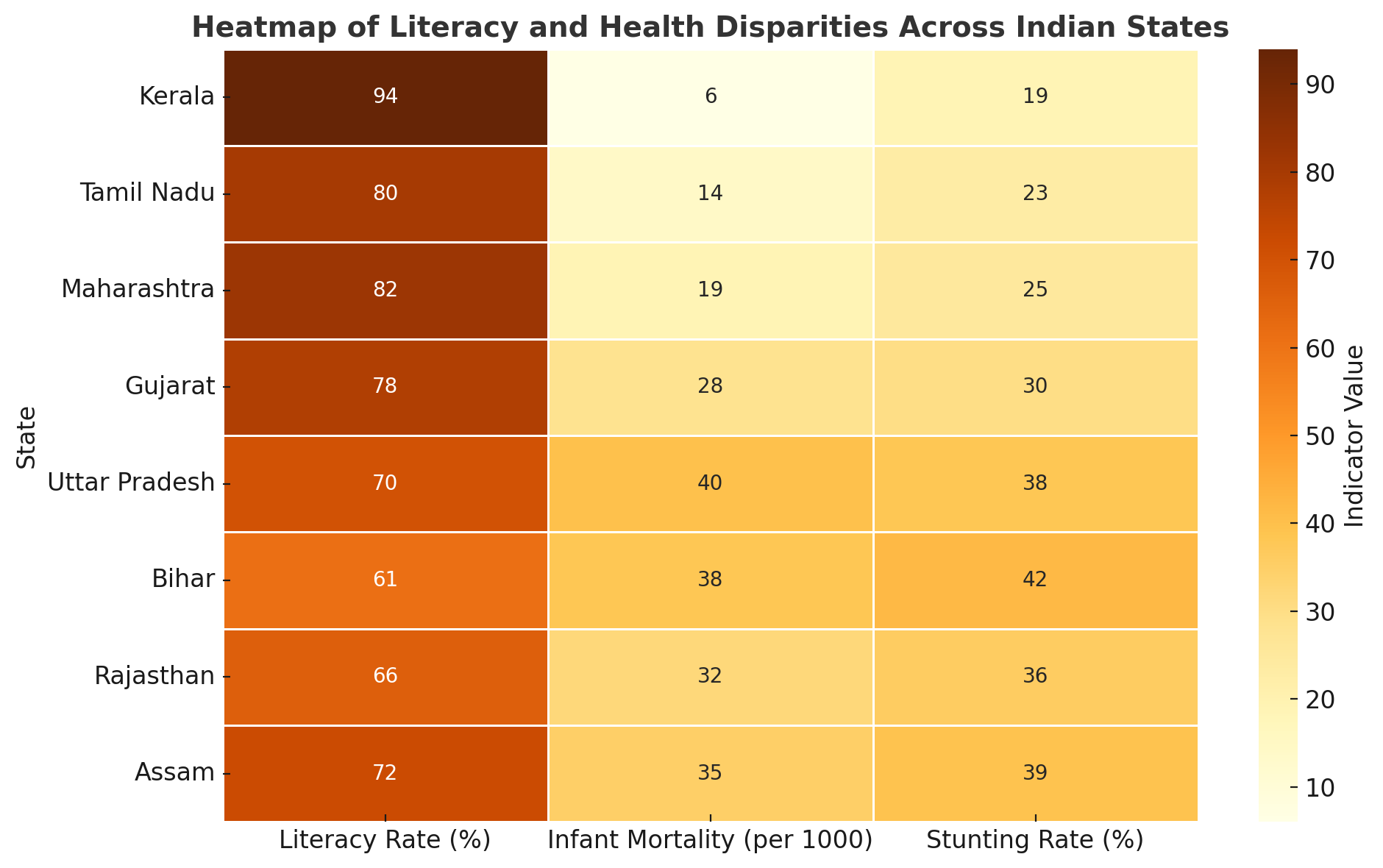
- Nutrition, particularly during the critical period of early childhood, plays a pivotal role in both health and the formation of human capital. Adequate nutrition is absolutely essential for proper physical growth and optimal cognitive development, laying a strong and crucial foundation for future human capital accumulation. Malnutrition can lead to stunting, which is impaired growth and development, as well as decreased cognitive function and an increased susceptibility to various diseases, all of which have negative and long-lasting impacts on an individual’s ability to contribute to the economy. India continues to face significant challenges related to child malnutrition, which has serious implications for the productivity of its future workforce. For instance, data from the National Family Health Survey (NFHS) consistently reveals a high prevalence of stunting among children under the age of five across various states.
- Ensuring widespread access to basic healthcare services, such as essential immunizations and comprehensive maternal and child health care, is absolutely essential for promoting public health and fostering human capital development. Preventive healthcare measures, such as vaccinations against common infectious diseases, can significantly improve the overall health of the population and reduce the burden of disease. Improved maternal and child health services contribute to better health outcomes for both mothers and their children, which has a profound impact on long-term human capital development by ensuring healthier lives from the very beginning.
- Mental health is an increasingly recognized and critical aspect of human capital. An individual’s mental well-being has a significant impact on their ability to learn effectively, perform their work duties productively, and participate fully in society. Poor mental health can lead to decreased productivity, increased rates of absenteeism from work, and a diminished overall quality of life, highlighting the growing need for addressing mental health issues as an integral part of human capital development initiatives.
- School-based health interventions, such as the provision of school feeding programs and deworming initiatives, have been shown to effectively improve both the health and the educational outcomes of children. Integrating health interventions directly within the educational setting can be a particularly cost-effective and efficient way to improve both the physical well-being and the learning capabilities of students. Studies have demonstrated that well-implemented school meal programs can lead to improvements in children’s educational attainment, as well as their physical and psychosocial health, with the most significant benefits often accruing to children from more disadvantaged backgrounds. Similarly, deworming programs address common parasitic infections that can hinder children’s physical growth and cognitive development, thereby improving their capacity to learn and thrive.
- The Link Between Health, Productivity, and Economic Growth
- Skills, Knowledge, and Expertise in the Labor Market
- Technical Skills and their Economic Relevance
- Technical skills refer to the specific abilities and knowledge that are directly related to performing tasks in a particular job or industry. These skills are typically acquired through formal education, vocational training, or on-the-job experience and are directly applicable to production processes, thereby contributing to increased efficiency and overall output. Examples of technical skills include proficiency in engineering principles, computer programming languages, data analysis techniques, and specialized manufacturing procedures.
- Countries that possess a workforce with strong technical skills are often more successful in attracting foreign direct investment and fostering a culture of technological innovation. A labor force that is well-equipped with relevant technical skills is a key factor that multinational corporations consider when making decisions about where to invest and establish operations. Furthermore, a high level of technical expertise within a country can stimulate local innovation and the development of new technologies. India’s remarkable success in the information technology (IT) sector serves as a compelling example of how a large pool of technically skilled professionals can drive economic growth and attract global investment.
- In an era characterized by rapid technological advancement, the importance of continuing education and ongoing training for workers cannot be overstated. The dynamic nature of technology means that the skills required in the labor market are constantly evolving. To remain relevant and competitive, workers need to continuously update their existing skills and acquire new ones. Initiatives that promote lifelong learning and provide accessible opportunities for upskilling and reskilling are therefore essential for maintaining a productive and adaptable workforce in the face of technological change.
- The Growing Importance of Soft Skills
- Soft skills encompass a range of interpersonal and cognitive abilities, including effective communication, leadership capabilities, and strong problem-solving skills. These skills are increasingly valued in today’s work environments, which often emphasize collaboration, teamwork, and the ability to navigate complex situations. Effective communication facilitates seamless teamwork and coordination among colleagues, strong leadership skills are essential for driving innovation and providing clear direction, and well-developed problem-solving abilities enhance both individual and organizational efficiency and adaptability.
- Social and communication skills are particularly important in sectors that involve direct interaction with customers or clients, as they significantly influence the quality of customer service and the overall perception of a brand. In service-oriented economies, the ability of employees to interact positively and effectively with customers is often crucial for business success. Providing excellent customer service can lead to increased customer loyalty and a positive brand image, both of which directly contribute to a company’s profitability and long-term sustainability.
- Beyond specific technical or interpersonal skills, certain habits and personality traits, such as discipline, punctuality, and maintaining a positive outlook, also contribute significantly to an individual’s value as a member of the workforce. These non-cognitive skills play a crucial role in workplace productivity and the overall performance of a team. An employee who possesses strong technical skills but lacks essential work ethic traits, such as punctuality or a collaborative attitude, may ultimately be less productive and less valuable to an organization than someone who has equally strong technical skills complemented by positive personal habits and a good attitude.
- Technical Skills and their Economic Relevance
- Experience and On-the-Job Learning
- Accumulated work experience significantly enhances an individual’s expertise in their field and improves their decision-making capabilities. Practical experience gained over time contributes substantially to an individual’s overall human capital. Experienced workers often possess a wealth of tacit knowledge and valuable insights that are difficult, if not impossible, to acquire solely through formal education or training programs. This experiential learning allows them to approach complex tasks with greater proficiency and make more informed judgments.
- On-the-job training represents a vital form of investment in human capital. Training that is provided directly by employers helps workers to develop the specific skills and knowledge that are required for their particular roles within the organization and to effectively adapt to the company’s unique practices and operational procedures. The scope and duration of on-the-job training can vary widely, ranging from brief initial orientation sessions for new hires to more extensive and longer-term apprenticeship programs for specialized roles.
- An individual’s work experience provides them with a valuable track record that is highly regarded by potential future employers. A history of relevant work experience serves as a signal of an individual’s reliability, competence, and their demonstrated ability to learn, adapt, and perform in a professional setting. Employers often prioritize candidates who have a proven history of success in roles that are similar to the ones they are currently trying to fill.
- Promoting mobility and facilitating lateral movement of employees within organizations can provide valuable opportunities for individuals to gain diverse experience and further develop their skill sets. By taking on different roles and responsibilities within the same company, employees can broaden their understanding of the organization’s operations, acquire new skills, and enhance their overall adaptability. Organizations that actively encourage internal mobility are often able to foster employee growth, increase job satisfaction, and ultimately improve employee retention rates.

Theoretical Frameworks Linking Human Capital to Economic Growth
- The Solow Growth Model and the Role of Human Capital
- The basic Solow growth model, a foundational theory in economics, primarily focuses on the accumulation of physical capital and the progress of technology as the key drivers of long-run economic growth, while typically treating labor as a homogeneous input [standard economic theory]. In its original formulation, the Solow model does not explicitly account for the quality of the labor force. The model posits that economies will eventually converge to a steady-state level of output per worker, which is determined by factors such as savings rates, the rate of depreciation of capital, and the rate of population growth, with technological progress being the primary factor responsible for sustained increases in per capita income over the long term.
- Recognizing the limitations of the basic Solow model, particularly its failure to adequately explain the persistent differences in income levels across countries, economists developed augmented versions of the model that explicitly incorporate human capital as an additional and crucial factor of production. This augmentation acknowledges that the quality of the labor force, as embodied in its education, skills, and health, plays a significant role in determining an economy’s productive capacity. The augmented Solow model suggests that countries with higher levels of human capital will tend to have higher steady-state levels of output per worker. Therefore, investment in education and health becomes a key determinant of a nation’s long-run economic prosperity within this theoretical framework.
- Within the augmented Solow framework, human capital is viewed as a factor that directly enhances the productivity of labor. A more educated and skilled workforce is capable of producing a greater amount of output with the same amount of physical capital compared to a less skilled workforce. For instance, workers who have received specialized training in operating and maintaining advanced machinery will be significantly more productive than untrained workers using the same equipment. This increased productivity at the individual level contributes to higher overall economic growth at the aggregate level.
- Endogenous Growth Theories and Human Capital Accumulation
- In contrast to the Solow model’s assumption that technological progress is an external force, endogenous growth theories emphasize that technological advancement is not exogenous but is rather driven by factors that are internal to the economy, with human capital playing a particularly significant role. These theories highlight the active and dynamic role of human capital in fostering innovation, facilitating the adoption of new technologies, and ultimately driving sustained long-term economic growth.
- Endogenous growth theories view human capital as a critical input in the creation and the subsequent diffusion of new knowledge and innovative technologies. A population that is well-educated and highly skilled is generally more capable of inventing new technologies, effectively adopting existing ones, and efficiently implementing them in production processes. Countries that have developed a strong base of human capital, particularly in the fields of science, technology, engineering, and mathematics (STEM), are often at the forefront of technological innovation and enjoy a significant competitive advantage in the global economy. India’s strategic investments in premier institutions such as the Indian Institutes of Technology (IITs) and the Indian Institute of Science (IISc) are aimed at building this crucial human capital base in STEM fields.
- The concept of “learning by doing” and the continuous accumulation of experience, which are integral to the development of human capital, are also recognized as important contributors to productivity gains over time within endogenous growth frameworks [Arrow, 1962]. As workers gain practical experience on the job, they become more proficient in their tasks and are often able to identify more efficient and effective ways of performing their work, leading to increased productivity not only at the individual firm level but also at the aggregate economy-wide level. This continuous improvement in skills and knowledge through experience is a key mechanism through which human capital drives sustained economic growth.
- The Human Capital Augmented Production Function [latex]Y = K^\alpha (HL)^{1-\alpha}[/latex]
- This widely used production function explicitly incorporates human capital (H) as a distinct factor of production alongside physical capital (K) and labor (L) in determining the total output (Y) of an economy. This formulation provides a framework for quantitatively assessing the contribution of human capital to aggregate production. The term HL in the equation represents human capital-augmented labor, acknowledging that the effectiveness of labor is not simply a matter of the number of workers but also depends crucially on their level of human capital. The parameter [latex]\alpha[/latex] in the function represents the elasticity of output with respect to physical capital, indicating the percentage change in output resulting from a one percent change in physical capital, holding other factors constant.
- The specification of this production function suggests that an increase in either the quantity of labor (L) or, crucially, the quality of labor as embodied in human capital (H) will lead to a corresponding increase in the overall output (Y) of the economy. This highlights the dual importance of both the size of a nation’s population and the skills, knowledge, and education levels of that population in driving economic growth. For a country like India, which has a large and growing population, strategic investments in education and healthcare aimed at improving the overall level of human capital (H) have the potential to significantly boost its aggregate economic output.
- Numerous empirical studies that have utilized this human capital augmented production function framework have consistently demonstrated a significant and positive impact of human capital on the rates of economic growth observed across different countries. These studies provide data-driven support for the theoretical prediction that economies with higher levels of human capital tend to experience faster rates of economic expansion. Cross-country regression analyses, for example, often find a statistically significant and positive coefficient associated with measures of human capital, such as the average years of schooling in the population, when these measures are included in equations that aim to explain differences in economic growth rates.

Microeconomic Foundations of Human Capital Investment
- Individual Decision-Making in Education and Training
- At the individual level, people make decisions to invest in their own education and training with the primary goal of increasing their future earnings potential and improving their prospects of securing better employment opportunities. This decision-making process is often based on a rational cost-benefit analysis, where individuals weigh the various costs associated with pursuing education, including direct costs such as tuition fees and the indirect costs of forgone earnings while studying, against the expected future benefits, which primarily include higher wages and more attractive job options. The increasing proportion of high school graduates who choose to pursue college education can be partly attributed to the perception of higher returns associated with a college degree in the labor market.
- Several key factors influence an individual’s decision regarding whether and how much to invest in human capital. These factors include the expected future returns from the investment, the direct and indirect costs of obtaining education or training, the availability of financing options such as loans or grants, and the individual’s own preferences, abilities, and perceptions of risk. These factors can vary considerably across different individuals and socioeconomic groups within a population, leading to significant variations in the levels of human capital investment. For example, individuals from lower-income backgrounds might face greater financial constraints in accessing higher education, even if they recognize that the long-term expected returns from such an investment are substantial.
- Behavioral economics, a field that integrates psychological insights into economic analysis, highlights the various psychological factors and cognitive biases that can significantly affect individuals’ decisions about investing in human capital. Decisions related to education and training are not always made in a perfectly rational manner and can be influenced by factors such as an individual’s degree of risk aversion, a tendency to heavily discount future benefits compared to present costs (present bias), and the influence of social norms and the educational attainment of their peers. For instance, individuals might choose to underinvest in education if they place a very high value on immediate gratification and discount the long-term benefits of education, or if they are strongly influenced by the educational choices and achievements of their social circle.
- Returns to Investment in Human Capital: Private and Social
- Private returns to investment in human capital refer to the benefits that accrue directly to the individual who makes the investment, primarily in the form of higher wages, increased job security, and improved career advancement opportunities. These private returns provide the primary economic incentive for individuals to invest their own time and resources in acquiring more education and developing valuable skills. Studies consistently demonstrate a positive correlation between an individual’s level of educational attainment and their earnings in the labor market across various countries, including India. For example, data collected by the National Sample Survey Office (NSSO) in India often indicates a significant average wage differential between individuals who have completed a college degree and those who have only completed secondary education or less.
- Social returns to investment in human capital encompass the broader benefits that accrue to society as a whole as a result of individuals investing in their education and skills. These benefits include increased overall productivity in the economy, a higher rate of technological innovation, improved health outcomes for the population, and even a reduction in crime rates. These social returns extend beyond the private benefits enjoyed by the individual and contribute to the overall well-being and economic development of the entire society. For example, a more educated population is generally more likely to actively participate in civic life, make more informed decisions as consumers and citizens, and contribute to a more productive and innovative economy overall.
- Externalities, which are benefits that accrue to parties who are not directly involved in the transaction, are a significant feature of human capital investment. For instance, a more educated workforce can lead to the faster adoption and more widespread diffusion of new technologies and innovative practices throughout the economy, benefiting not only the educated individuals themselves but also firms and the economy as a whole. The concentration of highly skilled workers in certain geographic regions can create knowledge clusters and foster a dynamic environment for innovation and economic growth, as has been observed in the development of major technology hubs around the world.
- The Concept of Opportunity Cost in Human Capital Development
- Opportunity cost is a fundamental concept in economics that refers to the value of the next best alternative that is forgone when making a particular decision. In the context of investing in education, the opportunity cost often refers to the income that an individual could have earned if they had chosen to enter the workforce immediately instead of pursuing further education or training. This forgone income represents a significant cost of investing in human capital, particularly for individuals from lower socioeconomic backgrounds who may face immediate financial pressures. For example, a student who decides to pursue a postgraduate degree gives up the potential salary that they could have been earning if they had chosen to work full-time after completing their undergraduate studies.
- The magnitude of the opportunity cost of education tends to decrease as an economy develops and the returns to higher levels of education in the labor market increase. In more developed economies, where there is often a significant wage premium for skilled labor, the long-term economic benefits of obtaining more education may substantially outweigh the short-term income that is forgone while studying. As India’s economy continues to grow and the demand for a skilled workforce expands across various sectors, the perceived opportunity cost of pursuing higher education and specialized training might decrease for many individuals, making it a more attractive investment.
- Understanding the concept of opportunity cost is crucial for analyzing individual investment decisions in human capital and for designing effective public policies aimed at promoting education and training. Policies such as the provision of scholarships, grants, and subsidized student loans can help to reduce the financial burden of education, thereby mitigating the impact of opportunity costs and making educational opportunities more accessible, especially for individuals who might otherwise be deterred by the prospect of significant forgone earnings. The numerous scholarship schemes offered by the Indian government and various private organizations are designed to help students from diverse socioeconomic backgrounds overcome financial barriers and pursue higher education, effectively reducing the impact of opportunity costs.
Macroeconomic Impacts of Human Capital on Economic Development
- Human Capital and Labor Productivity Enhancement
- Human capital directly leads to an enhancement in the productivity of the workforce. A labor force that possesses higher levels of skills, knowledge, and expertise is capable of performing tasks more efficiently and effectively, resulting in a greater output per worker. For example, in a manufacturing setting, a factory worker who has received specialized training on how to operate and maintain advanced, computer-controlled machinery will likely be able to produce a significantly higher volume of goods in a given period compared to a worker who lacks such training.
- Improvements in the overall level of human capital within an economy lead to increased efficiency in production processes and contribute to overall economic growth. When labor productivity rises, it translates into a greater supply of goods and services being available in the economy, which is a fundamental driver of economic expansion. Countries that boast high levels of human capital tend to exhibit higher levels of GDP per capita and experience faster rates of economic growth compared to those with lower levels of human capital.
- A well-developed stock of human capital also enables better decision-making and enhances the adaptability of the workforce to changes in the economic environment. Individuals who are well-educated and possess a diverse set of skills are generally better equipped to handle complex tasks, solve intricate problems that arise in the workplace, and adapt more readily to evolving economic conditions and technological advancements. In a rapidly changing technological landscape, for instance, workers with strong cognitive skills, a solid foundation of knowledge, and a high degree of adaptability are more likely to remain employed and productive throughout their careers.
- The Role of Human Capital in Technological Innovation and Adoption
- Human capital plays a crucial role in both driving technological innovation and facilitating the widespread adoption of new technologies within an economy. Individuals who possess advanced skills and specialized knowledge are more likely to be involved in the development of new technologies, processes, and products, as well as in finding innovative ways to apply existing technologies. Research and development activities, which are at the heart of technological progress, rely heavily on a workforce that has a strong foundation in scientific and technical knowledge.
- Countries that have a high concentration of human capital in the fields of science, technology, engineering, and mathematics (STEM) often possess a significant advantage when it comes to engaging in research and development activities. Strategic investment in education and training programs that focus on these critical areas is essential for fostering a culture of innovation and maintaining a nation’s competitiveness in the increasingly technology-driven global economy. The remarkable success of countries like South Korea and Israel in various fields of technological innovation can be attributed, at least in part, to their long-standing emphasis on and investment in STEM education and research.
- Beyond the creation of new technologies, human capital is also vital for the effective diffusion and utilization of these technologies throughout the economy. A workforce that is well-educated and possesses the necessary skills is better equipped to understand, implement, and utilize new technologies, thereby maximizing their potential impact on overall productivity and economic growth. For example, the introduction of new and more efficient agricultural techniques requires farmers to have the knowledge and skills necessary to implement them effectively and realize their full benefits.
- Human Capital and its Influence on Income Distribution
- Differences in the levels of human capital possessed by individuals are a significant factor contributing to income inequality within an economy [standard economic theory]. Individuals who have invested more in their education and have acquired higher levels of skills and specialized knowledge tend to earn higher wages in the labor market compared to those with less human capital, leading to disparities in the overall distribution of income. The wage gap observed between skilled and unskilled workers has been widening in many countries around the world, including India, reflecting the increasing economic returns associated with higher levels of human capital in the modern economy.
- Strategic investments in human capital, particularly when targeted towards disadvantaged groups within society, can play a crucial role in reducing income inequality and promoting greater social mobility. By providing equitable access to quality education and essential healthcare services for all segments of the population, societies can help to level the economic playing field and create more opportunities for individuals from all backgrounds to improve their economic well-being. Government policies that are specifically designed to enhance educational attainment and improve health outcomes for marginalized communities can have a substantial and positive impact on reducing income disparities in the long run.
- The relationship between human capital and income inequality is complex and can be influenced by a variety of factors, including the relative supply and demand for different types of skills in the labor market and the overall structure of the economy. While generally, increasing the average level of human capital in a society can contribute to a reduction in income inequality, the specific impact can vary depending on various economic and social conditions. For example, if there is a rapid increase in the supply of graduates in a particular field without a corresponding increase in the demand for those skills in the labor market, the wage premium associated with those qualifications might decline, potentially affecting income distribution in complex and sometimes unexpected ways.
The Role of Institutions and Government Policies in Human Capital Formation
- Public Investment in Education: Policies and Outcomes
- Government policies play a fundamental role in funding, regulating, and shaping the education system at all levels, from early childhood education through primary and secondary schooling to tertiary and vocational training. Public investment in education is typically aimed at ensuring universal access to educational opportunities, improving the overall quality of education provided, and addressing potential market failures that might lead to under-provision of education if left solely to private markets. In India, for example, the government makes significant financial investments in the education sector through various schemes and the establishment and maintenance of educational institutions at both the central and state levels.
- Evidence suggests that increasing the rate of attendance in pre-primary education programs can have a particularly positive impact on improving human capital development, especially for children from disadvantaged socioeconomic backgrounds. Early childhood education has been shown to yield long-lasting benefits for children’s cognitive and social development, providing a strong and crucial foundation for their future learning and overall well-being. Policies that actively promote and support access to high-quality pre-primary education can be an effective way to reduce inequalities in educational outcomes that might otherwise emerge later in a child’s academic career.
- Policies that are specifically aimed at improving the quality of teaching, such as comprehensive teacher training programs and opportunities for ongoing professional development for educators, are crucial for enhancing the overall level of human capital in a society. Effective and well-prepared teachers are essential for delivering high-quality education and ultimately improving the learning outcomes achieved by students. In India, organizations like the National Council for Teacher Education (NCTE) play a vital role in setting and maintaining standards for teacher education and training programs across the country.
- Providing adequate financial support for students pursuing higher education, through mechanisms such as scholarships, grants, and subsidized student loan programs, can significantly increase access to and participation in tertiary education. Reducing the financial barriers that might prevent individuals from pursuing higher education can enable more people to invest in their own human capital, leading to a more skilled and educated workforce. India has a variety of government and privately funded scholarship programs that aim to help students from diverse socioeconomic backgrounds to afford and complete their higher education.
- Healthcare Systems and their Impact on Human Capital Stock
- Government policies that relate to the provision and regulation of healthcare services have a significant influence on the overall health status of the population, and consequently, on the total stock of human capital within a nation. Public health initiatives, the development of adequate healthcare infrastructure, and ensuring widespread access to essential medical services are all vital for maintaining and improving the health of the workforce, which is a critical component of human capital. India’s National Health Policy, for example, outlines the government’s commitment to improving access to quality healthcare for all its citizens.
- Strategic investments in primary healthcare services and preventive health measures, such as widespread immunization programs and public health education campaigns, can lead to substantial improvements in overall public health outcomes. Preventing illness and disease is often more cost-effective than treating them after they occur, and a healthier population is generally more productive and contributes more effectively to economic growth. India’s successful efforts to eradicate diseases like polio through extensive and sustained immunization programs serve as a clear example of the positive impact of public health initiatives on the health of the population.
- Addressing existing health inequalities and ensuring that vulnerable populations have equitable access to healthcare services is crucial for promoting fair and inclusive human capital development across all segments of society. Disparities in health outcomes based on socioeconomic status, geographic location, or other factors can exacerbate existing economic inequalities and hinder overall progress. Government programs that specifically target improving healthcare access for individuals living in rural areas and for low-income populations aim to reduce these health-related inequalities and promote more equitable human capital development.
- Government policies that promote good nutrition, particularly for vulnerable groups such as young children and pregnant women, are essential for long-term human capital development. Adequate nutrition, especially during the early stages of life, has profound and lasting effects on both physical and cognitive development, laying a critical foundation for an individual’s future health, well-being, and productivity. India has implemented several national programs aimed at improving nutritional outcomes, such as the Integrated Child Development Services (ICDS) scheme, which provides a range of services including nutrition support to young children and mothers.
- Skill Development Initiatives and Labor Market Efficiency
- Governments often implement a variety of skill development programs and initiatives to address mismatches that may exist between the skills demanded by employers in the labor market and the skills that are actually possessed by the available workforce. These initiatives are typically designed to improve the employability of individuals, enhance their productivity, and ultimately contribute to greater efficiency in the labor market. India’s Skill India Mission, launched in 2015, is a major national initiative focused on providing vocational training and skill development opportunities to millions of young people across the country.
- Investing in vocational training and technical education institutions can equip individuals with the specific job-related skills that are highly sought after by various industries. These types of programs can be particularly effective in bridging the gap between formal academic education and the practical skills required for employment, especially for individuals who may not pursue traditional university degrees. Industrial Training Institutes (ITIs) in India are examples of institutions that provide vocational training in a wide range of trades and technical fields.
- Promoting strong collaboration and linkages between educational and training institutions and the industries that will ultimately employ their graduates can help to ensure that the skills and knowledge imparted through training programs are well-aligned with the actual needs and demands of the labor market. This kind of collaboration helps to create a more demand-driven skill development ecosystem. Initiatives that encourage internships, apprenticeships, and the active involvement of industry professionals in the design and delivery of curriculum can significantly improve the relevance and effectiveness of training programs.
- Government policies that facilitate labor mobility, allowing workers to move more freely to locations and sectors where their skills are most needed, and policies that reduce unnecessary barriers to employment can enhance the efficient utilization of human capital within the economy. Ensuring that individuals can readily find and take up jobs that match their skills and qualifications can lead to a boost in overall productivity and economic output. Government efforts to improve transportation infrastructure, provide support for workers relocating for employment, and create a more flexible and responsive labor market can all contribute to a better allocation and utilization of the nation’s human capital.
Human Capital and Economic Growth in the Indian Context
- The State of Education and its Contribution to Economic Progress
- Literacy Rates and Educational Attainment in India
- According to the 2011 Census of India, the national literacy rate stood at approximately 74%. While this figure represents a significant improvement since India’s independence, it also indicates that a substantial portion of the population still lacks basic literacy skills. This level of literacy has implications for the ability of a large segment of the population to effectively participate in the modern, increasingly knowledge-based economy.
- Significant disparities in literacy rates persist across different states, between genders, and between rural and urban areas in India. These disparities highlight the ongoing need for targeted interventions and policies aimed at improving educational outcomes for marginalized groups and ensuring more equitable access to basic education. For instance, states like Kerala consistently exhibit significantly higher literacy rates compared to states such as Bihar. Furthermore, the female literacy rate in many parts of the country continues to be lower than the male literacy rate, indicating a gender gap in educational attainment.
- The Gross Enrollment Ratio (GER) in higher education in India has been on an upward trend in recent years. However, despite this progress, India’s GER in higher education still lags behind that of many developed countries. While an increasing number of young people are accessing higher education, there is still considerable potential to further expand participation rates at the tertiary level. As of the academic year 2020-21, India’s GER in higher education was around 27%, indicating that a significant proportion of the eligible population is not currently enrolled in any form of higher education.
- The quality of education provided at all levels in India remains a significant concern, as highlighted by various national and international surveys and assessments. Despite increasing enrollment rates, learning outcomes often fall short of expected standards, which ultimately limits the effective accumulation of human capital. Reports such as the Annual Status of Education Report (ASER) have consistently pointed out challenges in basic literacy and numeracy skills among school-aged children across various states in India.
- Health Infrastructure and its Impact on Workforce Productivity
- In the fiscal year 2020-21, India’s public expenditure on health was approximately 1.3% of its Gross Domestic Product (GDP), as reported in the Economic Survey of India. This relatively low level of public spending on healthcare can act as a constraint on the development of human capital by limiting the accessibility and quality of healthcare services available to the population. When compared to other developing and developed nations, India’s public health expenditure as a percentage of its GDP is considerably low.
- Significant gaps exist in healthcare infrastructure and the availability of qualified healthcare professionals across India, particularly in rural areas. This disparity in access to timely and quality healthcare services for a large segment of the population can negatively impact their overall health and consequently their productivity as members of the workforce. The doctor-population ratio in rural India is notably lower than in urban centers, making it challenging for many people to receive adequate medical attention.
- High rates of malnutrition, particularly among children, continue to be a major public health challenge in India, with detrimental effects on both their cognitive and physical development. This persistent issue has long-term implications for the nation’s overall human capital stock and the future productivity of its workforce. Data from the National Family Health Survey (NFHS) consistently demonstrates the significant prevalence of child stunting and wasting in various regions of India.
- Both communicable diseases, such as tuberculosis and malaria, and an increasing burden of non-communicable diseases, including diabetes and cardiovascular diseases, place a significant strain on India’s healthcare system and negatively impact the productivity of its workforce. Illnesses lead to lost workdays, reduced efficiency in the workplace, and increased healthcare costs, all of which can hinder economic output.
- Skill Development Landscape and Employment Generation in India
- The Skill India Mission, launched by the Government of India in 2015, represents a significant national effort to provide vocational training and skill development opportunities to millions of young people across the country. This initiative recognizes the critical importance of skilling the workforce to enhance their employability and to meet the evolving demands of the Indian economy. The Skill India Mission encompasses a wide range of schemes and programs that focus on different sectors and various levels of skill development.
- Despite the implementation of numerous skill development initiatives, the employability of graduates remains a persistent challenge in India. This suggests a potential mismatch between the skills being imparted through educational and training programs and the specific skills that are actually required by employers in the job market. The quality and relevance of existing training programs need to be continuously evaluated and improved to effectively address this gap and enhance the employability of India’s youth. Various surveys often indicate that a significant percentage of graduates in India lack the specific skills that are necessary for the available job opportunities.
- The informal sector continues to be a major source of employment for a large proportion of India’s workforce. Skill development within this sector is particularly crucial for improving the productivity and overall livelihoods of workers engaged in informal economic activities. A significant segment of India’s labor force is employed in the informal sector, where traditional skills often need to be upgraded or supplemented with new skills to enhance efficiency and income generation. Initiatives that specifically target skill development for artisans, agricultural workers, and small business owners operating within the informal sector are therefore of great importance.
- Government initiatives are also increasingly focused on promoting entrepreneurship and creating opportunities for self-employment among India’s youth. These endeavors require a different set of skills and knowledge, including business management, innovation, and risk-taking. Fostering a vibrant entrepreneurial ecosystem can drive economic innovation, create new businesses, and generate additional employment opportunities within the country. Schemes such as Startup India are aimed at providing support and promoting entrepreneurship among young people.
- Literacy Rates and Educational Attainment in India
Measuring and Quantifying Human Capital
- Quantitative Indicators of Human Capital
- Educational Enrollment Rates and Years of Schooling
- Gross Enrollment Ratio (GER) at different levels of education, including primary, secondary, and tertiary, provides a quantitative measure of the level of participation in the formal education system within a country [standard economic indicator]. Higher enrollment rates generally suggest a greater level of investment in the human capital of the population. Trends in GER over time can effectively illustrate the progress a nation is making in expanding access to education at various levels.
- The average number of years of schooling attained by the population or the workforce is a commonly used proxy indicator for the overall stock of human capital in a country. This metric reflects the average level of educational attainment across the population. Countries with higher average years of schooling typically have a more skilled and productive workforce, which can contribute to higher levels of economic development.
- Literacy rates, which represent the proportion of the population that possesses the basic ability to read and write, provide a fundamental measure of a key aspect of human capital. Basic literacy is a foundational skill that is essential for individuals to participate effectively in many aspects of modern economic and social life. Comparing literacy rates across different demographic groups within a country can also reveal important inequalities in access to basic education.
- Health Metrics such as Life Expectancy and Infant Mortality Rate
- Life expectancy at birth, which is the average number of years a newborn is expected to live if current mortality rates continue, serves as a broad indicator of the overall health status of a population. Higher life expectancy generally indicates better health conditions, improved access to healthcare, and a potentially longer period of productive working life for individuals. Improvements in public health infrastructure, sanitation, and medical advancements typically contribute to an increase in life expectancy over time.
- The infant mortality rate, defined as the number of deaths of infants under one year of age per 1,000 live births, is a sensitive and widely used indicator of the health and overall well-being of a population, particularly that of children. Lower infant mortality rates are generally associated with better access to quality healthcare services, improved nutrition, and better living conditions. Conversely, high infant mortality rates can be indicative of significant challenges in public health and nutrition.
- Stunting rates, which measure the proportion of children under the age of five who are below the normal height for their age, are a key indicator of chronic malnutrition and its long-term impact on physical and cognitive development. High stunting rates within a population can have significant and lasting consequences for human capital formation, as malnutrition during early childhood can impair brain development and lead to reduced physical capacity. Stunting is often associated with poorer health outcomes and lower levels of productivity in adulthood.
- The Human Capital Index (HCI) and its Components
- The Human Capital Index (HCI), developed by the World Bank, is a composite metric that aims to quantify the contribution of both health and education to the potential productivity of the next generation of workers in a given country. The HCI provides a single, summary measure of a nation’s overall human capital potential. It is constructed by combining several key indicators across three main components: survival (measured by the under-5 mortality rate), school (measured by expected years of school and harmonized test scores reflecting learning outcomes), and health (measured by adult survival rates and the prevalence of healthy growth among children under five, using stunting rates).
- The HCI allows countries to estimate the amount of future income they are potentially foregoing as a result of gaps in their current levels of human capital, and it also highlights the potential economic gains that could be realized through strategic investments in improving the health and education of their populations. This information can be particularly valuable for policymakers in prioritizing investments in human capital development. A low HCI score for a country typically indicates a significant potential for improvement in human capital outcomes, which in turn could lead to substantial gains in future economic growth.
- India’s performance on the Human Capital Index can be compared with the scores of other countries to provide a benchmark of its relative standing in terms of human capital development. This allows for an assessment of India’s progress in this critical area relative to its peers and can help to identify areas where it is performing well and areas that may require more focused attention and policy interventions. Analyzing the specific components of India’s HCI score, such as survival rates, educational attainment and quality, and health indicators, in comparison to other nations can further highlight the particular areas where targeted improvements could yield the greatest returns in terms of future human capital and economic productivity.
- Educational Enrollment Rates and Years of Schooling
- Challenges in Accurately Measuring Human Capital
- A fundamental challenge in the study of human capital is that it is inherently an intangible asset, making it difficult to measure directly and precisely. Unlike physical capital, such as machinery or infrastructure, human capital, which consists of knowledge, skills, and health, cannot be easily quantified or valued in purely monetary terms. As a result, economists and researchers often have to rely on indirect measures or proxy indicators, such as levels of educational attainment and various health metrics, to estimate the stock of human capital within a population.
- Measuring the quality of education and the actual skills possessed by individuals is particularly challenging. While the number of years an individual spends in school is a commonly used measure, it may not accurately reflect the depth and breadth of knowledge and the specific skills that they have actually acquired during that time. Standardized tests and assessments can provide some insights into learning outcomes and skill levels, but even these tools may not be able to fully capture all the important dimensions of human capital, such as creativity, critical thinking, and problem-solving abilities.
- Informal learning, which occurs outside of traditional educational settings, and on-the-job training provided by employers both contribute significantly to the development of an individual’s human capital. However, these forms of human capital accumulation are often not captured in traditional quantitative measures, making it difficult to get a complete picture of the total human capital stock in an economy. Measuring the precise impact of workplace training programs and practical experience gained on the job on an individual’s productivity and overall skill set is a complex undertaking.
- The dynamic nature of human capital, which can both depreciate or appreciate in value over time, adds another layer of complexity to the measurement challenges. Skills and knowledge can become obsolete due to rapid technological advancements or changes in the demands of the labor market, and an individual’s health can deteriorate with age or due to illness. Accurately measuring the rate at which human capital depreciates and the extent to which continuous upskilling and retraining are necessary to maintain its value is a difficult task.
Global Comparisons of Human Capital and Economic Performance
- Examining Countries with High Human Capital and Strong Economic Growth
- Countries like South Korea have made substantial investments in their education systems and have achieved remarkable rates of rapid economic growth over the past several decades. This experience highlights the strong positive relationship that can exist between a nation’s commitment to human capital development and its subsequent economic success. South Korea’s strategic focus on providing high-quality education at all levels, particularly in technical and scientific fields, has been a key factor in its economic transformation from a developing nation to a global economic power.
- Singapore, another prominent example, has consistently emphasized the importance of education and skills training as central to its economic strategy. As a result, Singapore exhibits exceptionally high levels of human capital, as measured by various international indices, and has also maintained a strong record of economic performance. This demonstrates the critical role that a strategic and sustained focus on developing a highly skilled and adaptable workforce can play in achieving and maintaining global economic competitiveness. Singapore’s education system is consistently ranked among the top performers worldwide, reflecting its commitment to quality and innovation in human capital development.
- The Nordic countries, which are known for their comprehensive social welfare systems that include strong and universally accessible education and healthcare, generally score very highly on the Human Capital Index and also boast robust and competitive economies. This suggests that a societal commitment to ensuring that all citizens have access to quality education and healthcare not only promotes social well-being but also contributes significantly to the overall human capital of the nation and its economic strength. These countries have typically prioritized social investments, recognizing their long-term benefits for both individuals and the economy as a whole.
- Analyzing the Relationship Between HCI Scores and GDP per Capita
- In general, there is a clear trend indicating that countries with higher Human Capital Index (HCI) scores tend to have higher levels of GDP per capita. This observed correlation provides empirical evidence supporting the theoretical link between investments in human capital and the level of economic output achieved by a nation. The HCI is specifically designed to predict the future productivity of a country’s workforce based on current health and education outcomes, and its positive correlation with current GDP per capita suggests a strong and enduring relationship between past investments in human capital and present economic performance.
- However, it is important to note that the relationship between HCI scores and GDP per capita is not always perfectly linear, and other significant factors such as the availability of natural resources, the quality of a country’s institutions, and the rate of technological adoption also play crucial roles in driving overall economic growth [standard economic theory]. While a strong foundation of human capital is undoubtedly a critical ingredient for economic success, it is not the sole determinant. For instance, some countries that are rich in natural resources might achieve high levels of GDP per capita despite having relatively lower HCI scores, while other nations with high human capital might face institutional or other structural barriers that limit their economic growth potential.
- Comparing India’s HCI score and its current GDP per capita with those of other countries that are in a similar income group and face comparable developmental challenges can provide valuable insights for policymakers. This type of benchmarking allows for an assessment of India’s relative performance in terms of both human capital development and economic outcomes and can help to identify areas where India might be able to learn from the experiences of other nations. Furthermore, analyzing the specific components of India’s HCI score, such as survival rates, educational attainment and quality, and health indicators, in comparison to its peers can highlight particular areas where targeted policy interventions might be most effective in boosting future human capital and economic productivity.

The Impact of Technological Advancements on Human Capital Requirements
- The Changing Nature of Work and the Demand for New Skills
- The rapid pace of technological advancements, particularly in areas such as automation and artificial intelligence, is fundamentally transforming the nature of work across various industries and is leading to an increasing demand for a new set of skills in the labor market. As technology becomes more sophisticated, routine and manual tasks are increasingly being automated, which in turn is driving a greater need for individuals who possess strong cognitive skills, creativity, and interpersonal abilities that are less susceptible to automation. This shift requires a workforce that is not only highly skilled but also adaptable and capable of engaging in continuous learning to acquire new skills throughout their working lives.
- Across a wide range of industries, there is a growing demand for skills related to digital literacy, the ability to analyze and interpret data, and strong problem-solving capabilities. These skills are becoming increasingly essential for individuals and organizations to effectively navigate and thrive in the modern digital economy. Individuals and countries that make strategic investments in developing these skills within their populations will be better positioned to succeed and maintain a competitive edge in the future labor market.
- As technology takes over many routine and repetitive tasks, the importance of soft skills, such as critical thinking, effective communication, strong collaboration abilities, and emotional intelligence, is becoming even more pronounced. These skills are crucial for roles that require complex problem-solving, creative thinking, and meaningful human interaction, areas where technology currently has limitations. While automation can handle many types of tasks efficiently, it cannot fully replicate the uniquely human aspects of work that rely on these soft skills.
- The Role of Digital Literacy and Adaptability
- Digital literacy, which encompasses the ability to use and understand digital technologies effectively, is rapidly becoming a fundamental requirement for meaningful participation in the modern economy. Individuals who lack basic digital skills may face increasing challenges in finding and retaining employment in a world where digital tools and platforms are becoming ubiquitous across various sectors. Therefore, governments and educational institutions need to prioritize the development of digital literacy among all segments of the population to ensure that individuals are equipped for the demands of the contemporary workplace.
- In the face of rapid and continuous technological change, adaptability and a strong willingness to learn new skills are crucial for individuals to navigate their careers successfully and for economies to remain resilient and competitive. The traditional model of obtaining a fixed set of skills through formal education and then following a relatively stable career path is becoming increasingly less relevant. Lifelong learning and the continuous upgrading of skills are becoming essential for both individual career success and overall economic resilience in a dynamic and evolving world of work.
- The Potential for Automation and its Implications for Human Capital
- Automation, driven by advancements in robotics, artificial intelligence, and other technologies, has the significant potential to displace workers in certain occupations, particularly those that involve routine, repetitive, and easily codifiable tasks [standard economic analysis]. This potential for job displacement could lead to structural changes in the labor market, necessitating a strong focus on retraining and upskilling initiatives to help affected workers transition to new roles. Understanding which types of jobs are most vulnerable to automation is an important aspect of policy planning and workforce development strategies.
- However, it is also important to recognize that automation can simultaneously create new jobs and opportunities in emerging fields, such as in the development, implementation, and maintenance of the very technologies that are driving automation, as well as in areas like data analysis and cybersecurity [standard economic analysis]. The net impact of automation on overall employment levels will likely depend on the speed and scope of technological change and, critically, on the ability of the workforce to adapt to these changes through the acquisition of new and relevant skills. Strategic investment in education and training programs that focus on these emerging fields can help workers to transition into the new types of roles that are being created by automation.
- Given these trends, the focus of human capital development strategies needs to increasingly shift towards cultivating skills that are complementary to technology, such as creativity, critical thinking, complex problem-solving, and advanced communication abilities. These types of higher-order cognitive and interpersonal skills are generally less susceptible to automation and are expected to be in high demand in the future labor market. Therefore, education systems should place a greater emphasis on fostering the development of these crucial skills from an early age and throughout an individual’s learning journey.
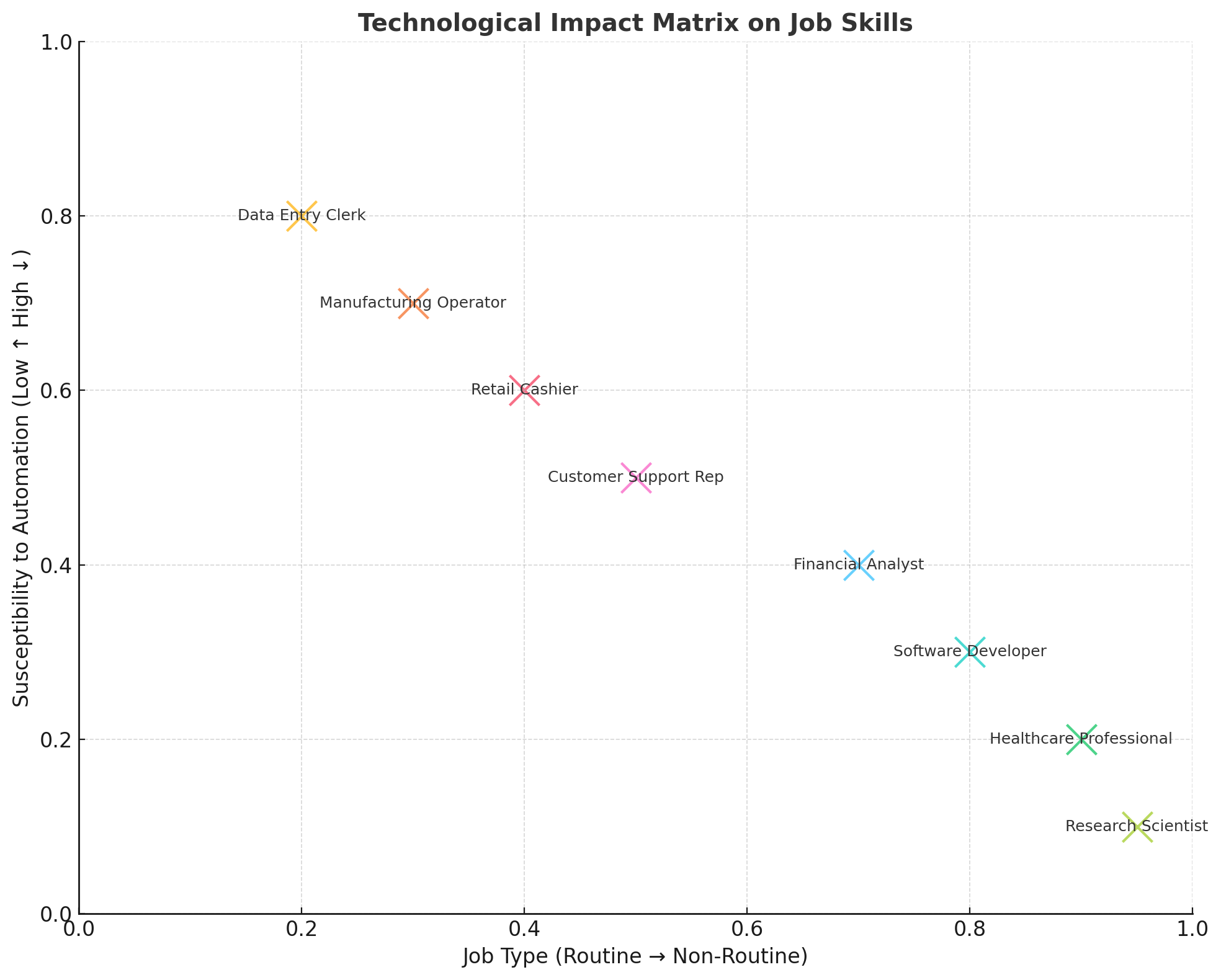
Future Trends and Challenges in Human Capital Development
- The Importance of Lifelong Learning and Continuous Skill Upgradation
- Given the accelerating pace of technological change and the evolving demands of the global economy, lifelong learning and the continuous upgrading of skills are becoming increasingly essential for individuals to maintain their employability and for nations to remain economically competitive. The traditional model of completing formal education in one’s youth and then following a relatively stable career path is becoming less and less relevant in today’s dynamic world. Individuals need to adopt a proactive approach to seeking out and engaging in opportunities for learning and skill development throughout their entire working lives.
- Governments, educational institutions, and organizations across various sectors need to play a supportive role in facilitating lifelong learning by creating accessible and affordable programs and resources that cater to the diverse learning needs of individuals at different stages of their careers. Fostering a societal culture that values and promotes continuous learning requires sustained investment in educational infrastructure, the development of flexible learning pathways, and the provision of adequate financial and other forms of support for learners. Online learning platforms, vocational training programs, and employer-sponsored training initiatives can all play a significant role in this endeavor.
- A key focus of future human capital development should be on cultivating a growth mindset among individuals and fostering their ability to learn new skills quickly and effectively. These meta-skills, or the ability to learn how to learn, are becoming increasingly crucial for adapting to a constantly evolving job market and for navigating the complexities of the 21st-century economy. Education systems should aim to instill these abilities from an early age, equipping students with the foundational skills and attitudes necessary for lifelong learning and adaptability.
- Addressing Inequalities in Access to Education and Healthcare
- Significant inequalities in access to quality education and essential healthcare services persist in many countries around the world, including India. These disparities in access limit the full potential for human capital development among disadvantaged groups within society and ultimately hinder overall economic progress and social equity. Factors such as socioeconomic status, geographic location (particularly in rural versus urban areas), gender, and social group affiliation can all create barriers to accessing opportunities that enhance human capital.
- Addressing these deeply rooted inequalities requires the implementation of targeted policies and sustained investments aimed at ensuring that all individuals, regardless of their background or circumstances, have a fair opportunity to reach their full potential. This is not only a matter of social justice and equity but also a crucial imperative for maximizing the overall human capital of a nation and fostering greater economic efficiency. Policies should focus on improving the quality and accessibility of education and healthcare in underserved areas and for marginalized communities, as well as addressing systemic barriers that perpetuate these inequalities.
- Closing the existing gender gap in both educational attainment and workforce participation is particularly important for maximizing a nation’s human capital and achieving truly inclusive economic growth. Investing in the education of girls and women and actively working to remove the various barriers that often prevent women from fully participating in the labor force can unlock a significant pool of human capital that would otherwise be underutilized. Empirical evidence from numerous countries suggests that those with higher rates of female labor force participation tend to experience stronger and more sustainable economic growth.
- The Role of Innovation and Research in Enhancing Human Capital
- Innovation in educational technologies and teaching methodologies has the potential to significantly improve both the effectiveness and the accessibility of education for learners of all ages. Leveraging the power of technology can help to reach a larger number of learners, personalize the learning experience to better suit individual needs, and make educational resources more widely available. The proliferation of online learning platforms, the development of interactive digital educational resources, and the application of artificial intelligence (AI) in learning tools are examples of how technology can transform the landscape of education and training.
- Ongoing research in fields such as neuroscience and cognitive science can provide valuable insights into how human learning actually occurs and how educational interventions can be designed and implemented more effectively to optimize human capital development [standard educational research]. A deeper understanding of the science of learning can inform the development of evidence-based improvements in teaching practices, curriculum design, and overall educational strategies. This interdisciplinary approach, which combines insights from various scientific fields, can lead to more impactful and efficient ways of enhancing human capital.
- Continued research and development in the healthcare sector are absolutely essential for improving health outcomes across the population and for increasing overall life expectancy, thereby directly enhancing the health component of human capital. Medical advancements, the development of new treatments and preventative measures, and ongoing public health research all contribute to a healthier and more productive population. Strategic investment in medical research and healthcare innovation is therefore a crucial element of any long-term strategy for human capital development and economic prosperity.
Comparison Charts: Human Capital Indicators and Economic Growth
| Indicator | India (2021) | South Korea (2021) | Singapore (2021) | Sweden (2021) |
|---|---|---|---|---|
| GDP Growth Rate (%) | 9.1 | 4.1 | 8.9 | 5.0 |
| GDP per Capita (USD) | 2,277 | 35,991 | 72,794 | 59,762 |
| Public Expenditure on Education (% of GDP) | 3.1 | 5.1 | 2.9 | 6.7 |
| Average Years of Schooling (Years) | 6.7 | 12.3 | 11.9 | 12.4 |
| Public Expenditure on Health (% of GDP) | 1.3 | 3.5 | 2.2 | 6.9 |
| Human Capital Index (HCI) Score | 0.49 | 0.80 | 0.88 | 0.82 |
| Literacy Rate (%) | 74.0 | 97.9 | 96.8 | 99.0 |
| Infant Mortality Rate (per 1000 births) | 27.7 | 2.6 | 2.0 | 2.1 |
| Stunting Rate (Children under 5, %) | 31.7 | 1.9 | 2.1 | N/A |
Conclusion
Human capital is undeniably a fundamental driver of economic growth, a principle that has been recognized and refined throughout the history of economic thought and is consistently supported by a wealth of empirical evidence. Strategic investments in the education, health, skills, and overall well-being of a population not only enhance individual productivity and improve the quality of life but also serve as key catalysts for technological innovation, contribute to a more equitable distribution of income, and foster sustained long-term economic development. For a nation as diverse and rapidly evolving as India, with its significant demographic potential, the imperative of prioritizing human capital development cannot be overstated. Effectively addressing the existing challenges in ensuring the quality of education, improving access to comprehensive healthcare, and providing relevant skill development opportunities, while simultaneously leveraging the transformative potential of technological advancements and promoting a culture of lifelong learning, will be absolutely crucial for realizing sustained and inclusive economic growth in the years to come. By carefully studying the experiences of other nations that have successfully harnessed the power of human capital and by implementing targeted and evidence-based policies, India can unlock the full potential of its vast human resources and achieve its ambitious economic aspirations.
- Analyze the role of human capital in endogenous growth theories. How does it differ from its treatment in the Solow growth model, and what are the implications for policy formulation in developing economies like India? (250 words)
- Endogenous growth theories posit that technological progress, a primary engine of long-term economic expansion, is not an external factor but arises from within the economic system itself. Human capital occupies a central position in this framework, acting as a crucial input in the creation, adoption, and dissemination of new knowledge and technologies. This contrasts with the Solow growth model, which treats technological progress as exogenous and views human capital mainly as a means of enhancing the productivity of labor. In endogenous growth models, human capital is seen as a direct driver of innovation and sustained growth. For developing economies such as India, this perspective carries significant implications for policy formulation. It suggests that investments in education, research and development, and the enhancement of skills are not merely about improving existing production capacities but are also fundamental to fostering the ability to innovate and adapt to technological changes. Consequently, policies should prioritize building a robust base of human capital, particularly in science, technology, engineering, and mathematics (STEM) fields, as well as cultivating an environment that is conducive to research and innovation. This includes strengthening educational institutions, providing incentives for research and development activities, and promoting collaborations between academic institutions and industries. By prioritizing the accumulation of human capital as a key driver of endogenous technological progress, India can strive for a path of sustained and knowledge-driven economic growth, rather than solely relying on the accumulation of physical capital or on technological advancements originating from outside the economy.
- Discuss the challenges in measuring human capital and evaluate the usefulness of the Human Capital Index (HCI) for policymakers in India. (250 words)
- Accurately measuring human capital presents several inherent challenges due to its intangible nature. Direct quantification of knowledge, skills, and health is difficult, necessitating the use of proxy indicators like educational attainment levels, standardized test scores, and health metrics such as life expectancy and child mortality rates. These indicators, however, may not fully capture the multifaceted quality of human capital or adequately account for the significant contributions of informal learning and on-the-job training. Furthermore, the dynamic aspect of human capital, with its potential for both depreciation and appreciation over time, adds to the complexity of its measurement. The World Bank’s Human Capital Index (HCI) offers a composite measure that integrates indicators of survival, the quantity and quality of education, and health to provide a quantitative assessment of the human capital that a child born today can expect to attain by the age of 18. For policymakers in India, the HCI can serve as a valuable tool in several ways. It offers a benchmark of India’s human capital potential in comparison to other nations, facilitating the identification of areas that require improvement. The HCI also highlights the potential economic losses resulting from human capital deficits, thereby providing a compelling rationale for prioritizing investments in people. By focusing on the specific components of the HCI, policymakers can target interventions in education and health to enhance future productivity. Nevertheless, it is crucial to acknowledge the limitations of the HCI. As a single index, it may not fully reflect the nuances of human capital development across the diverse regions and socioeconomic groups within India. Therefore, while the HCI provides a useful broad overview, it should be complemented by more detailed national-level data and qualitative assessments to inform the formulation of effective and targeted policies.
- Analyze the impact of technological advancements, particularly automation, on the demand for different types of human capital in India. What policy measures can India adopt to prepare its workforce for these changes? (250 words)
- Technological advancements, most notably automation driven by artificial intelligence and robotics, are poised to significantly reshape the demand for various types of human capital in India. Routine and manual tasks across numerous sectors are increasingly susceptible to automation, potentially leading to job displacement for workers engaged in these roles. Conversely, there is a growing demand for human capital characterized by skills that complement technology, such as proficiency in digital technologies, data analysis capabilities, software development expertise, and competencies in areas like creativity, critical thinking, complex problem-solving, and strong interpersonal communication. To proactively prepare its workforce for these evolving demands, India needs to implement a comprehensive and multi-faceted policy approach. Firstly, there should be a strong and sustained emphasis on enhancing the quality of education at all levels, with a particular focus on cultivating higher-order cognitive skills, problem-solving abilities, and fostering a mindset of lifelong learning and adaptability. Secondly, significant investments are required in vocational training and skill development programs that are closely aligned with the changing needs of industries. These programs should also prioritize upskilling and reskilling initiatives for the existing workforce to enable them to transition to new and emerging roles. Thirdly, promoting widespread digital literacy and ensuring equitable access to digital infrastructure are crucial for empowering the workforce to effectively participate in the increasingly digital economy. Finally, fostering a robust ecosystem that encourages innovation and entrepreneurship can lead to the creation of new job opportunities in cutting-edge fields. Additionally, the establishment of social safety nets and the implementation of policies to support workers during periods of career transition will be important for mitigating the potential negative impacts of automation. By strategically addressing these key areas, India can effectively harness the benefits of technological advancements while ensuring a smooth and equitable transition for its workforce into the future.

Responses