
[Newsbits] 25-31.10.2024: PM-YASASVI Scheme, ULPIN & more



Israel deployed a SPICE 2000 bomb on a Hezbollah facility in Beirut during a military operation. The precision-guided bomb, known for its lethality and low collateral damage, is designed for accuracy and can adjust its flight path mid-air. Produced by Rafael Advanced Defense Systems, SPICE bombs are part of Israel’s strategy to minimize civilian casualties, exemplified by their “knock on the roof” warning tactic. However, concerns persist over civilian harm, especially given past conflicts. The ongoing U.S.-Israel defense collaboration supports the bomb’s production, keeping the region’s tensions high amidst calls for humanitarian review.
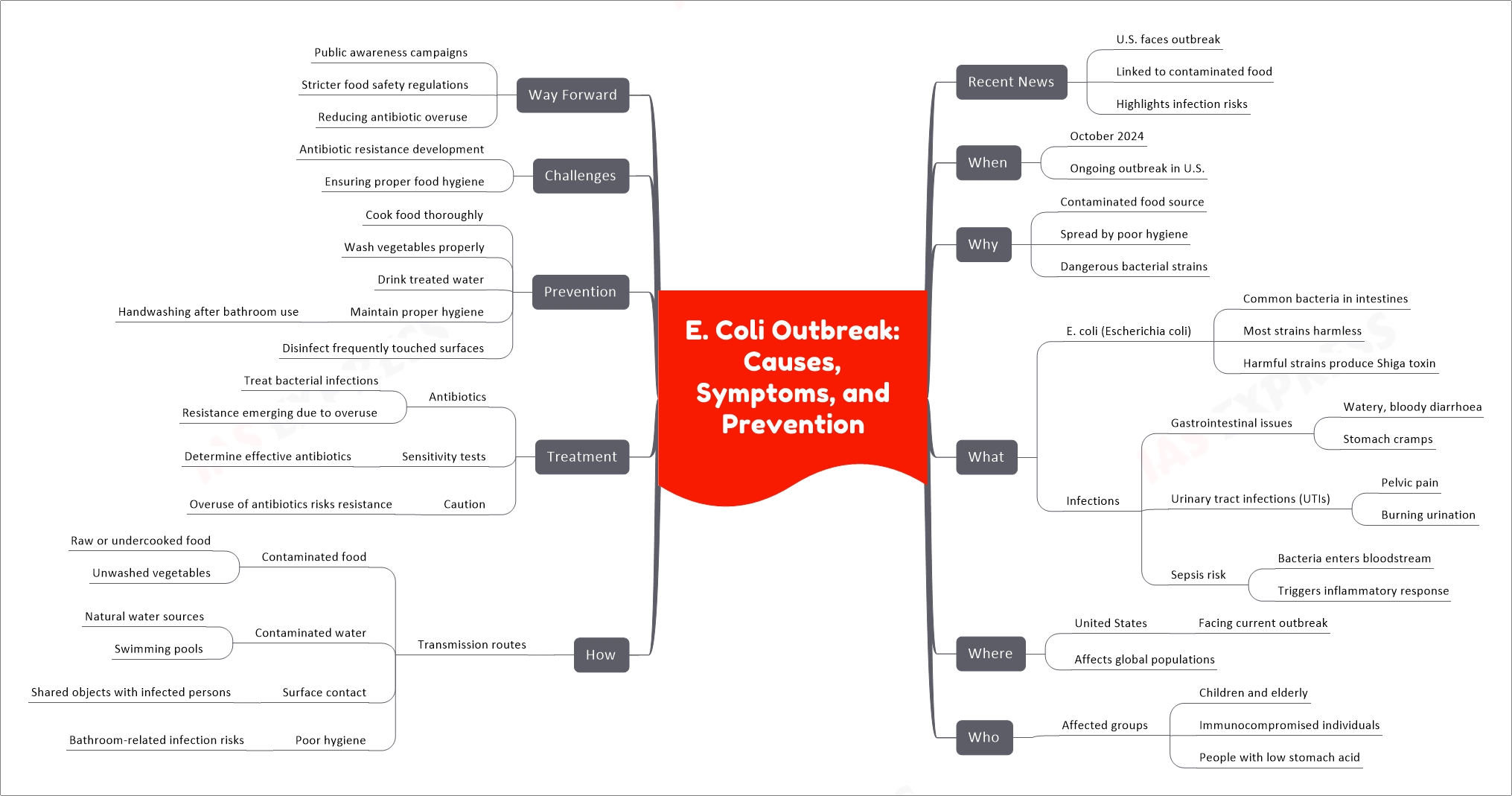
An E. coli outbreak in the U.S. linked to contaminated food highlights the risks associated with this common bacterium. While most E. coli strains are harmless, some produce Shiga toxin, leading to severe infections, including gastrointestinal issues, urinary tract infections, and sepsis. Children, the elderly, and immunocompromised individuals are especially vulnerable. Transmission occurs through contaminated food, water, surfaces, and poor hygiene. Treatment involves antibiotics, though resistance is increasing due to overuse. Preventative measures like proper food handling, handwashing, and hygiene are crucial to reducing infection risks. Public awareness and improved food safety practices remain key.

Justice Sanjiv Khanna has been appointed the 51st Chief Justice of India, succeeding Justice D Y Chandrachud, who retires on November 10, 2024. Justice Khanna, a seasoned Supreme Court judge, will take the oath of office on November 11, 2024, and serve until May 13, 2025, due to the retirement age limit of 65. His appointment follows constitutional procedures, with the President of India consulting the outgoing CJI. Justice Khanna’s brief tenure brings both continuity and challenges, with expectations high for his impact on critical legal and constitutional matters.
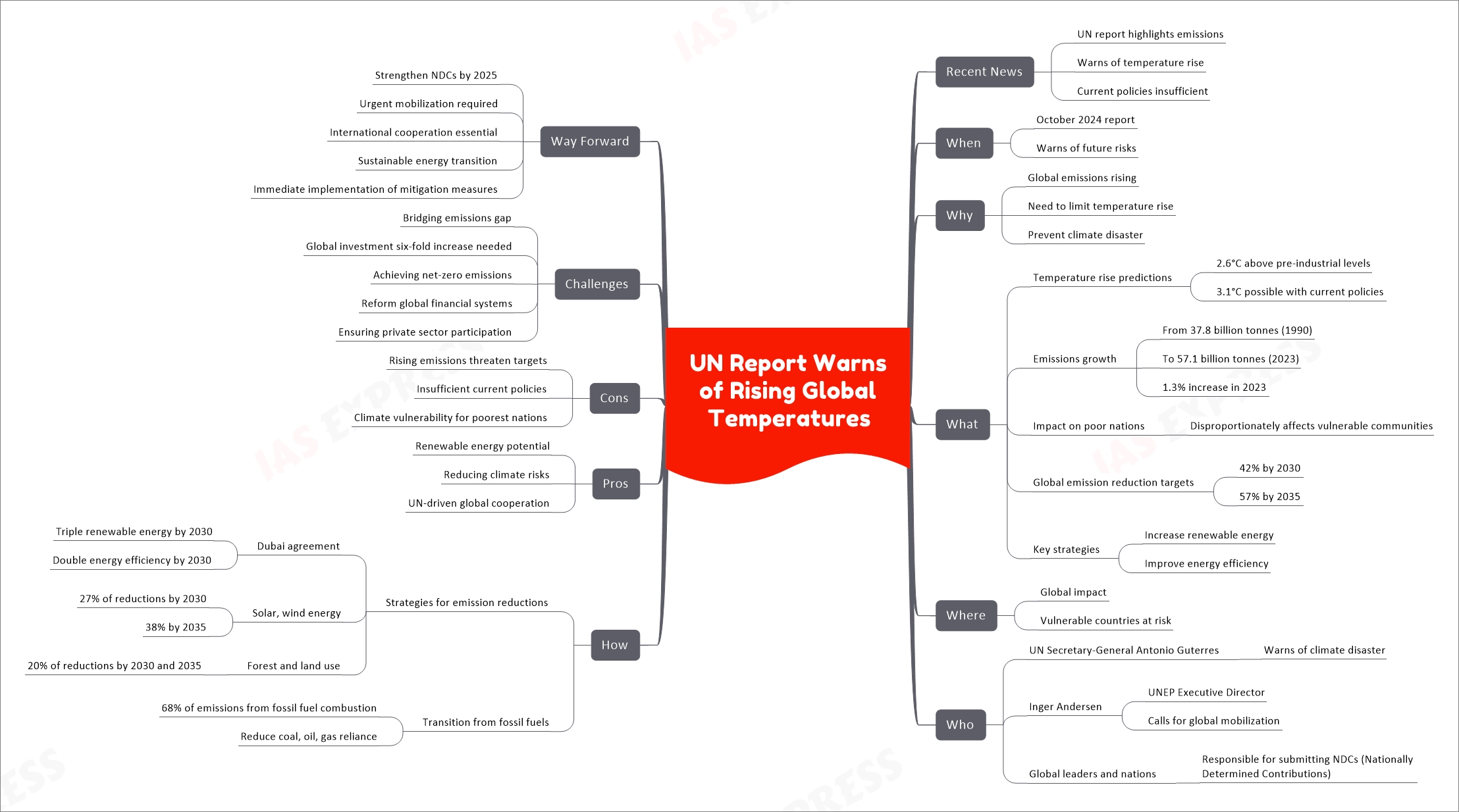
The latest UN report warns that the world is on track for a 2.6°C temperature rise above pre-industrial levels, with a potential increase to 3.1°C if current policies persist. Despite progress in renewable energy and electric vehicles, global emissions rose to 57.1 billion tonnes in 2023. Immediate action is required, with global emissions needing to reduce by 42% by 2030 to meet the 1.5°C target. Key strategies include tripling renewable energy and reducing reliance on fossil fuels. UN officials stress the urgency of global mobilization, enhanced climate policies, and financial investments to mitigate a climate disaster.

Urmila Chaudhary from Nepal has won the prestigious Global Anti-Racism Championship Award, presented by U.S. Secretary of State Antony Blinken. Urmila, a former child servant, co-founded the Freed Kamlari Development Forum, advocating for the rights of former bonded laborers and marginalized communities in Nepal. Her efforts were pivotal in the abolition of the Kamlari system, which sold young girls into servitude. Through her activism, she has established 42 cooperatives, empowering survivors economically. Urmila’s ongoing legal studies strengthen her mission to fight systemic racism and create lasting change for Nepal’s marginalized populations.
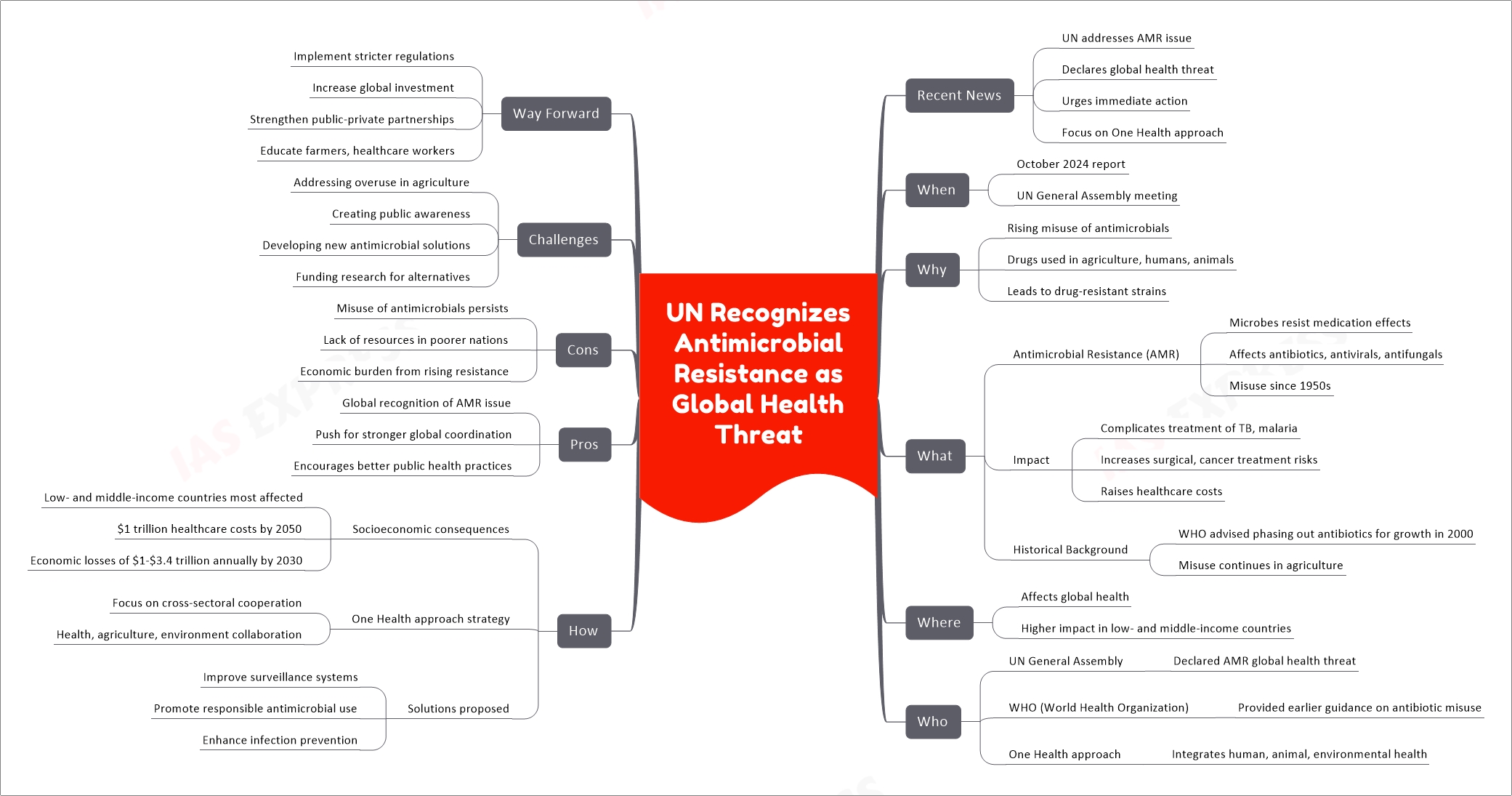
The UN General Assembly has identified antimicrobial resistance (AMR) as a critical global health threat, urging immediate action. AMR, which makes microbes resistant to antibiotics, antivirals, and other drugs, is exacerbated by the misuse of these medications in humans, animals, and agriculture. The UN advocates for the One Health approach, integrating human, animal, and environmental health to tackle AMR. The socioeconomic consequences are severe, particularly for low- and middle-income countries, with projected healthcare costs reaching

In a groundbreaking conservation achievement, a baby great Indian bustard was born through artificial insemination at the Sudasari Great Indian Bustard Breeding Centre in Rajasthan. This marks the first successful artificial breeding of this critically endangered species. The male bustard, Suda, was trained for eight months to produce sperm, which was used to inseminate a female named Tony. The chick’s birth brings hope for the survival of this species, which is severely threatened by habitat loss and hunting. The successful use of AI offers new possibilities for breeding and conservation efforts for the great Indian bustard.
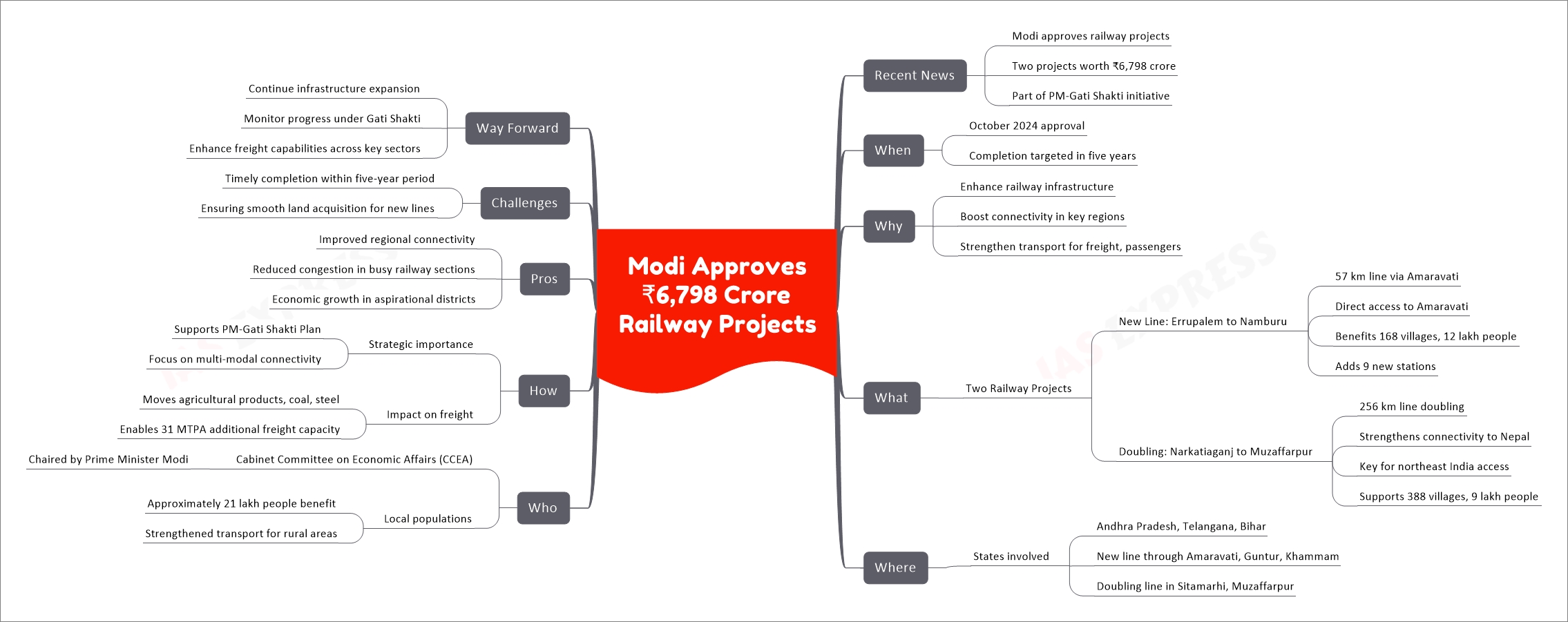
India has approved two major railway projects worth ₹6,798 crore as part of the PM-Gati Shakti National Master Plan. The projects include a new 57 km line from Errupalem to Namburu via Amaravati, aimed at enhancing connectivity in Andhra Pradesh and benefiting over 12 lakh people, and the doubling of the 256 km Narkatiaganj-Muzaffarpur line, improving connectivity to Nepal and northeast India. These projects will boost freight movement, reduce congestion, and support economic growth in key regions, aligning with the government's commitment to improving multi-modal connectivity and infrastructure development.

The giant salmon carp, a fish thought to be extinct since 2005, has been rediscovered in the Mekong River, with three sightings recorded since 2020. This large predatory fish, distinguished by a yellow patch around its eyes, was monitored by biologists in Cambodia in collaboration with local communities. The rediscovery signals hope for the species’ survival amidst significant environmental threats such as overfishing and dam construction. Conservationists are now working to expand efforts in Thailand and Laos to better understand the carp’s range, while addressing the environmental challenges that threaten its habitat in the Mekong region.
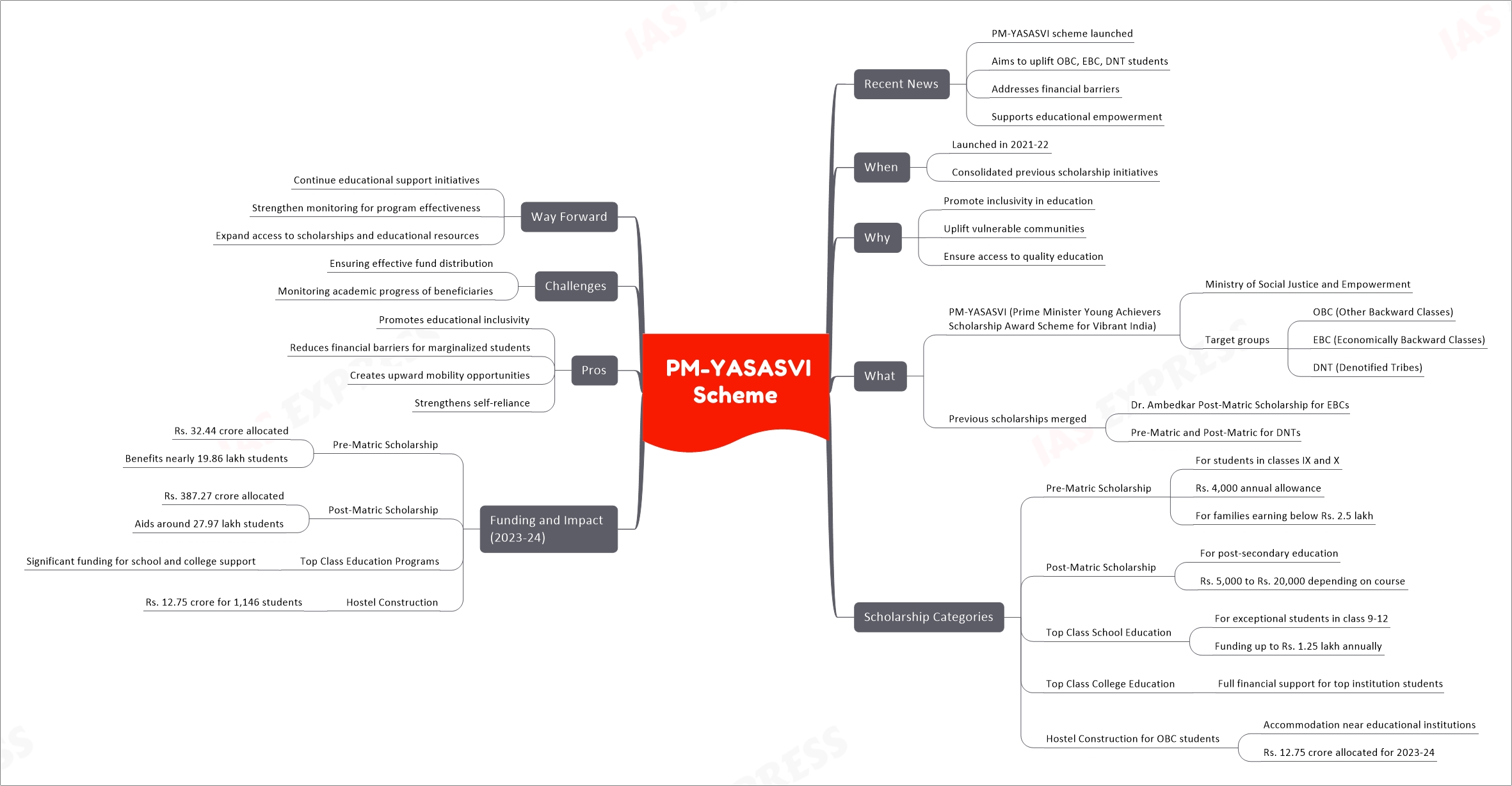
The PM-YASASVI (Prime Minister Young Achievers Scholarship Award Scheme for Vibrant India) was launched to provide financial support and improve educational access for students from Other Backward Classes (OBC), Economically Backward Classes (EBC), and Denotified Tribes (DNT). Consolidating previous scholarship programs, the scheme offers Pre-Matric and Post-Matric scholarships, as well as full financial aid for top-class school and college education. In 2023-24, nearly ₹1,193.83 crore was allocated to support about 47.83 lakh students, aiming to reduce financial barriers and promote inclusivity in India's education system.

If you like this post, please share your feedback in the comments section below so that we will upload more posts like this.

Responses