
[Newsbits] 1-3.04.2024: Extreme Light Infrastructure (ELI) Project, India Employment Report 2024 & More

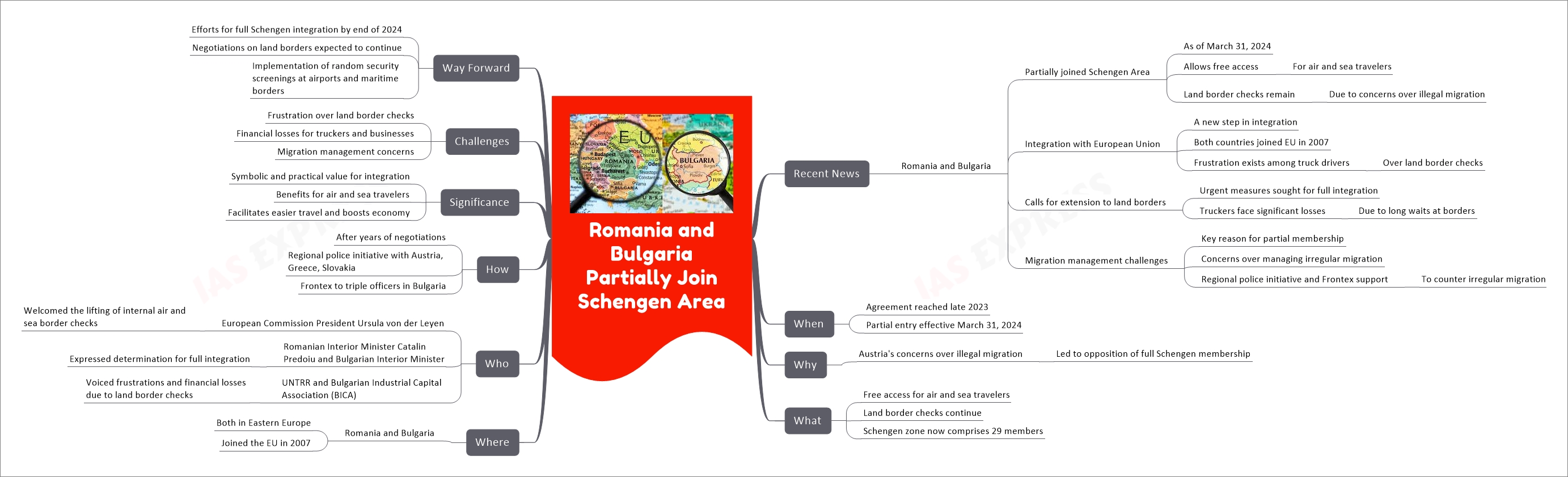
After years of negotiations, Romania and Bulgaria have partially joined the Schengen Area as of March 31, 2024. This historic step allows for free access to travelers arriving by air and sea but leaves the issue of land border checks unresolved, primarily due to Austria's concerns over illegal migration. The partial integration marks a significant milestone in both countries' deeper integration with the European Union, which they joined in 2007. Although the change has been celebrated as a success, the limitation to air and sea borders has elicited frustration, especially among truck drivers facing long waits at borders. Authorities in both countries have expressed a firm commitment to achieving full Schengen membership, including the lifting of chec
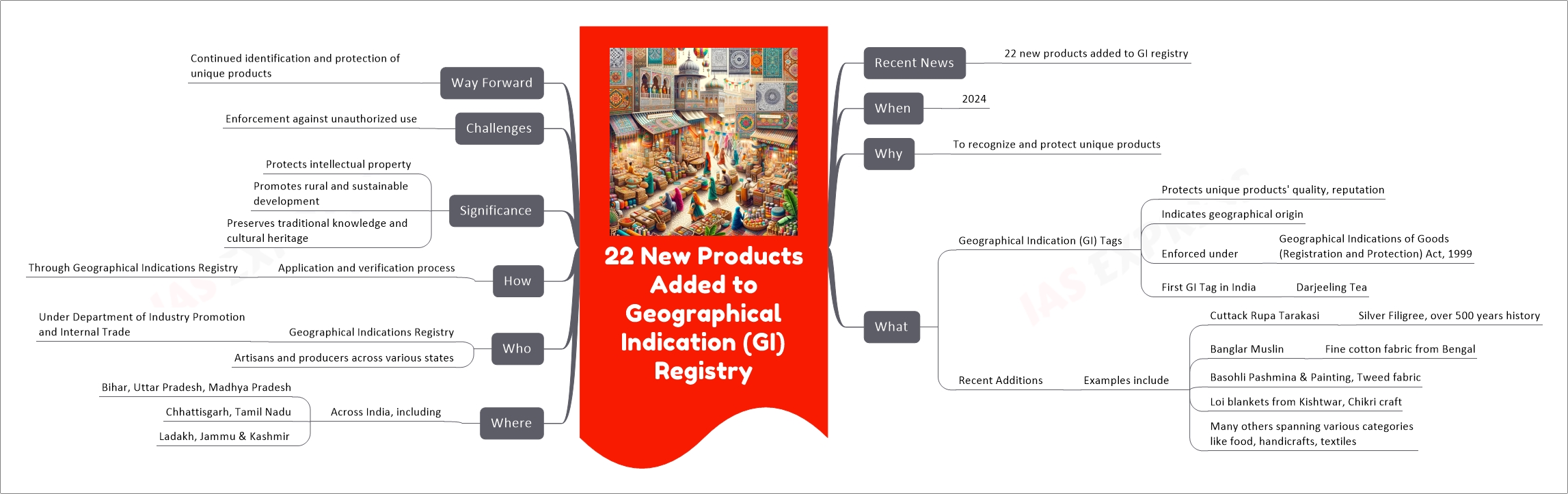
The concept of Geographical Indications (GI) tags is all about acknowledging and protecting products that are unique to a specific geographical region. These tags signify more than just a name; they are a testament to a region’s heritage, culture, and unique skills passed down through generations. In 2024, the Geographical Indications Registry recognized 22 new products with GI tags, ranging from intricate handicrafts like Cuttack’s Tarakasi and Bengal’s fine Banglar Muslin to a variety of food products, textiles, and crafts across different states. This move not only honors the artisanal and agricultural excellence of these regions but also aims to protect these distinguished products from imitation, ensuring their authenticity and preserving traditional practices. The GI tags, governed under the Geographical Indications of Goods (Registration and Protection) Act, 1999, play a crucial role in promoting sustainable development, supporting rural economies, and conserving cultural heritage across India.
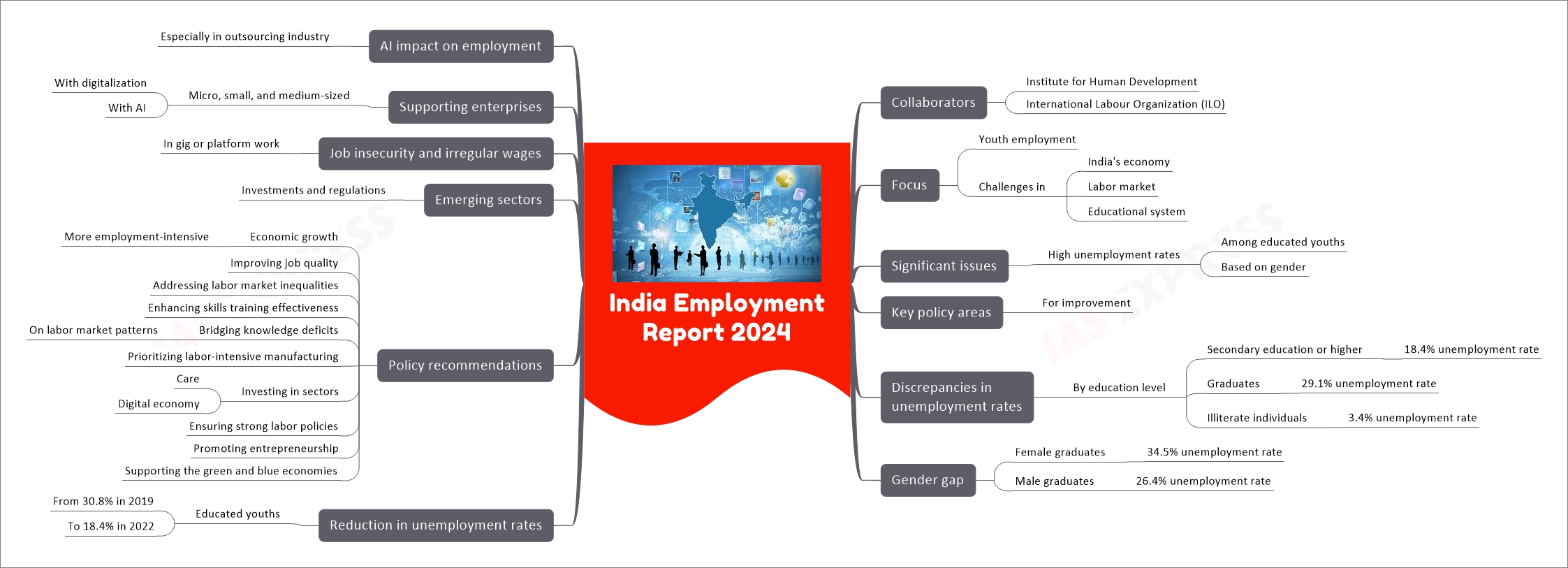
The India Employment Report 2024 highlights pressing concerns around high unemployment rates among educated youths, particularly emphasizing the pronounced gender disparities where females are more adversely affected. It showcases a need for targeted policy interventions to promote job creation in labor-intensive manufacturing and emerging sectors like the digital and care economies, while also addressing the disruptive potential of AI on traditional jobs. The report recommends bolstering support for MSMEs, enhancing the quality of jobs, and strengthening skills training to bridge existing gaps, alongside the development of comprehensive labor market statistics to guide future policy-making and support a more inclusive and dynamic labor market.
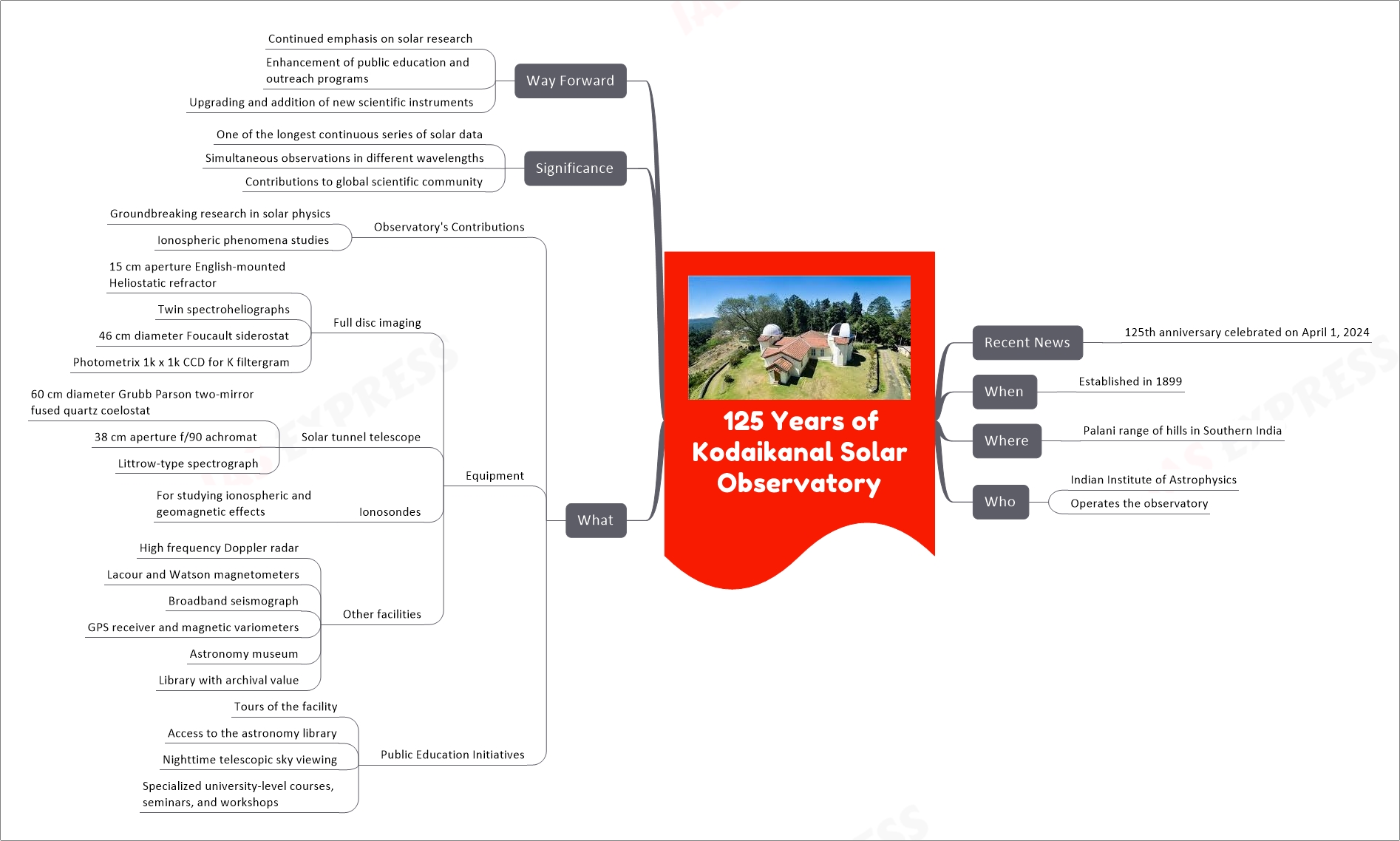
The Kodaikanal Solar Observatory, celebrating its 125th anniversary in 2024, is a cornerstone in the field of solar research, located in the scenic Palani range of hills in Southern India. Managed by the Indian Institute of Astrophysics, this observatory has made significant contributions to the understanding of solar physics and ionospheric phenomena. Its extensive array of equipment, including a variety of telescopes and spectrographs, has been instrumental in providing one of the longest continuous series of solar data. These observations are not only critical for the global scientific community but also for understanding the Sun’s impact on Earth’s climate and space weather. The observatory also plays a vital role in public education about astronomy through tours, courses, and workshops, thereby fostering a deeper appreciation for this field among the general public and academic communities alike.
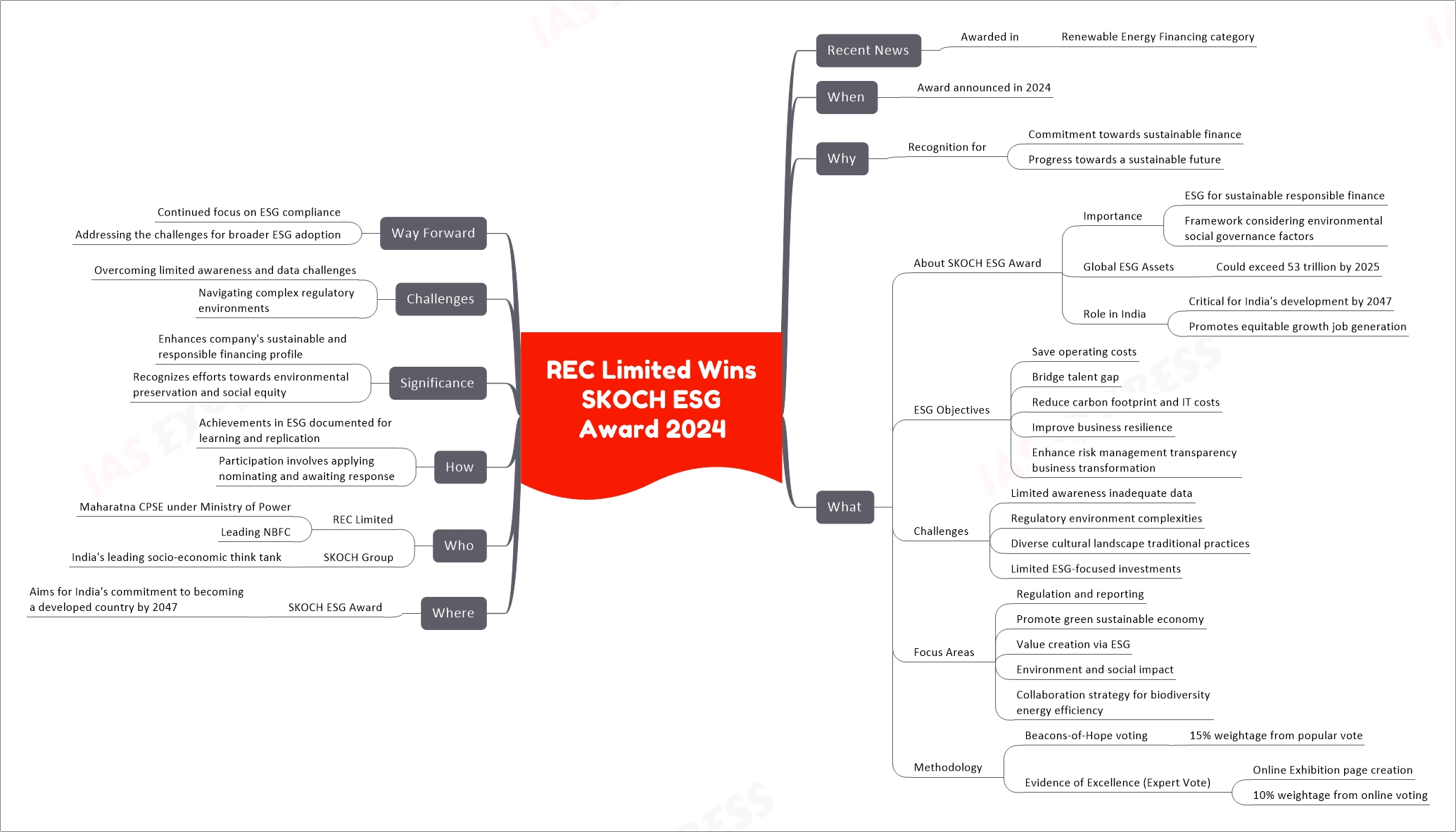
REC Limited, recognized for its commitment towards sustainable finance, won the SKOCH ESG Award 2024 in the Renewable Energy Financing category. This award emphasizes the significance of integrating environmental, social, and governance (ESG) factors into investment decisions and acknowledges REC Limited's efforts towards achieving a sustainable future. The award highlights the importance of ESG in driving equitable growth, enhancing business resilience, and managing risks effectively. Despite the challenges such as limited awareness and regulatory complexities, the focus remains on promoting a green and sustainable economy, thereby contributing to India's goal of becoming a developed nation by 2047.
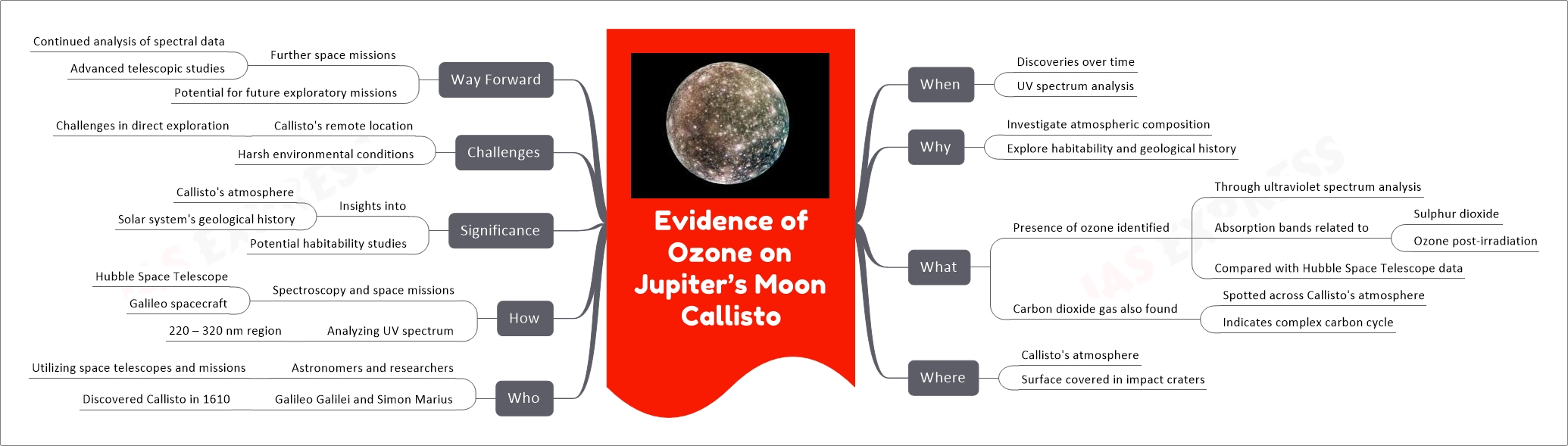
The discovery of ozone on Jupiter's moon Callisto adds a new layer to our understanding of the moon's atmosphere and potential for harboring conditions suitable for life. While the primary focus has been on the presence of carbon dioxide, indicating a complex carbon cycle, the identification of ozone through ultraviolet spectrum analysis provides valuable insights into the moon's chemical makeup. This discovery, made possible through comparisons of laboratory spectra with data from the Hubble Space Telescope, underscores the importance of continuous observation and study of celestial bodies for unraveling the mysteries of our solar system. Callisto, being one of the oldest and most heavily cratered objects in the solar system, offers a unique window into the past a
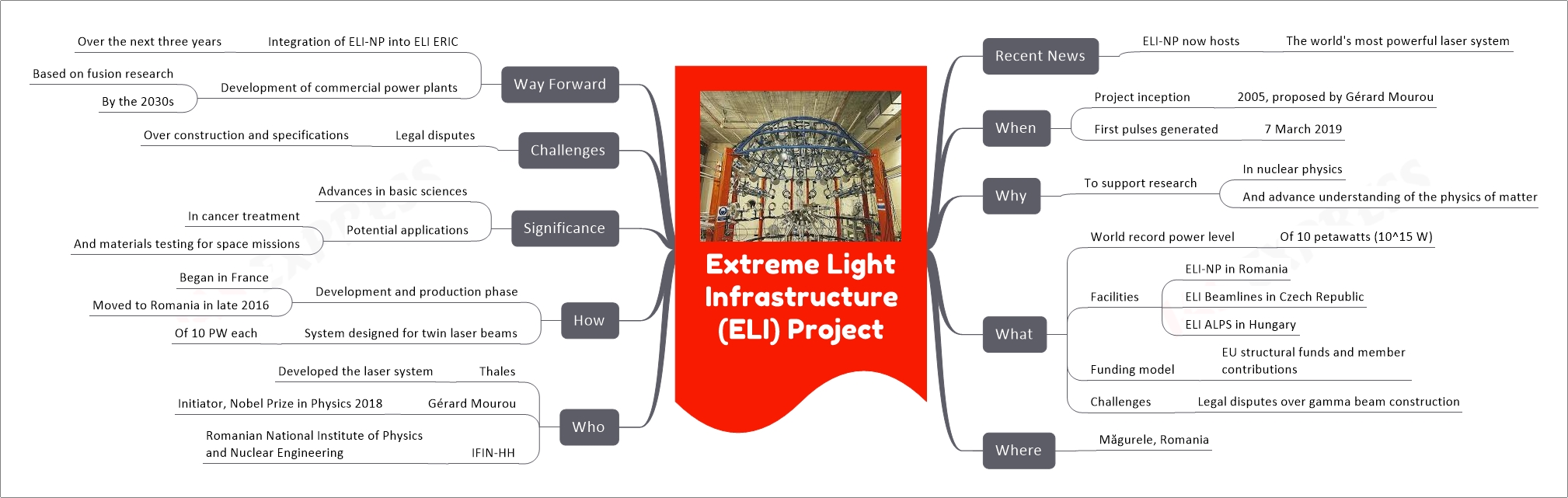
The Extreme Light Infrastructure (ELI) project, encompassing the world’s most powerful laser developed by Thales and housed at ELI-NP in Romania, represents a monumental stride in laser technology. With its inception rooted in a proposal by Nobel Prize laureate Gérard Mourou in 2005, the project achieved a significant milestone on March 7, 2019, by generating pulses at a record-breaking 10 petawatts power level. This achievement not only marks ELI-NP as the host of the most potent laser system globally but also paves the way for groundbreaking research in nuclear physics and various scientific fields. The project, benefiting from a unique funding model combining EU structural funds and member contributions, aims to explore fundamental physics, advance understanding of matter, and potentially revolutionize cancer treatment and materials science. Despite facing challenges, including legal disputes over construction specifications, the project’s integration into the ELI European Research Infrastructure Consortium (ERIC) signifies a forward path towards leveraging this technology for scientific, industrial, and societal benefits.
If you like this post, please share your feedback in the comments section below so that we will upload more posts like this.

Responses