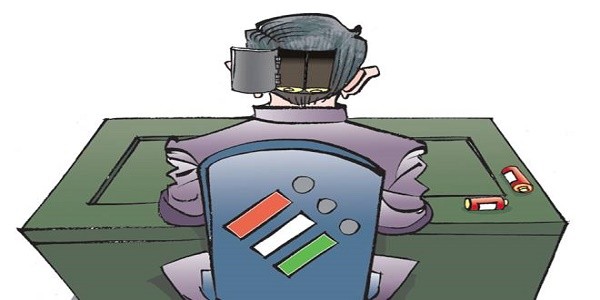
Electoral Bonds Scheme

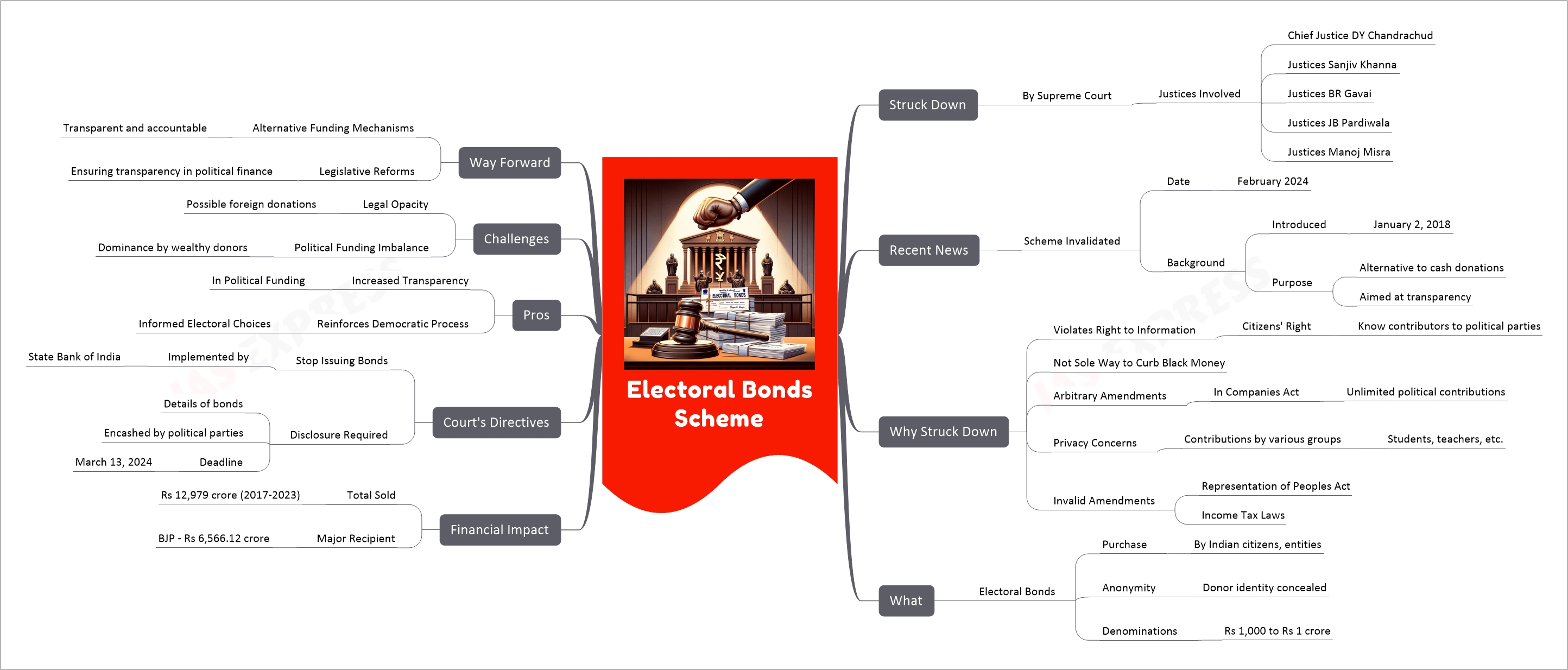
Electoral Bonds Scheme mind map

  Struck Down
    By Supreme Court
      Justices Involved
        Chief Justice DY Chandrachud
        Justices Sanjiv Khanna
        Justices BR Gavai
        Justices JB Pardiwala
        Justices Manoj Misra
  Recent News
    Scheme Invalidated
      Date
        February 2024
      Background
        Introduced
          January 2, 2018
        Purpose
          Alternative to cash donations
          Aimed at transparency
  Why Struck Down
    Violates Right to Information
      Citizens' Right
        Know contributors to political parties
    Not Sole Way to Curb Black Money
    Arbitrary Amendments
      In Companies Act
        Unlimited political contributions
    Privacy Concerns
      Contributions by various groups
        Students, teachers, etc.
    Invalid Amendments
      Representation of Peoples Act
      Income Tax Laws
  What
    Electoral Bonds
      Purchase
        By Indian citizens, entities
      Anonymity
        Donor identity concealed
      Denominations
        Rs 1,000 to Rs 1 crore
  Financial Impact
    Total Sold
      Rs 12,979 crore (2017-2023)
    Major Recipient
      BJP - Rs 6,566.12 crore
  Court's Directives
    Stop Issuing Bonds
      Implemented by
        State Bank of India
    Disclosure Required
      Details of bonds
      Encashed by political parties
      Deadline
        March 13, 2024
  Pros
    Increased Transparency
      In Political Funding
    Reinforces Democratic Process
      Informed Electoral Choices
  Challenges
    Legal Opacity
      Possible foreign donations
    Political Funding Imbalance
      Dominance by wealthy donors
  Way Forward
    Alternative Funding Mechanisms
      Transparent and accountable
    Legislative Reforms
      Ensuring transparency in political finance

The Supreme Court of India, led by a five-judge Constitution bench including Chief Justice DY Chandrachud, recently declared the Electoral Bonds Scheme unconstitutional. Initiated on January 2, 2018, the scheme aimed at increasing transparency in political funding by allowing anonymous donations to political parties through bonds. The scheme was criticized for violating the Right to Information, as it kept the identity of donors hidden, potentially leading to opaque funding and quid pro quo arrangements. The Supreme Court’s decision emphasizes the need for transparency in political contributions, reinforcing the democratic process by ensuring that voters have access to essential information for making informed decisions.
Related Posts
If you like this post, please share your feedback in the comments section below so that we will upload more posts like this.

Responses

🖍️ Highlight
HomeCoursesPlansAccount