
Democratic Decentralisation in India: Challenges & Opportunities

From Current Affairs Notes for UPSC » Editorials & In-depths » This topic
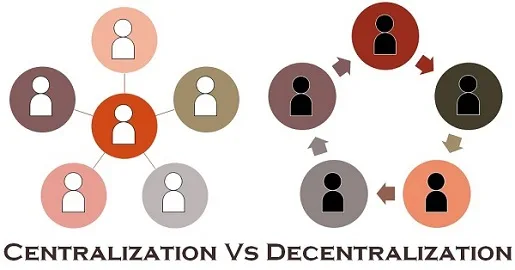
The democratic form of government ensures the liberty of thought, expression, belief, faith and worship, equality of status and opportunity, fraternity as well as the right to participate in political decision-making. Participation and control of governance by the people of the country, when the powers of the state are decentralized to the district, block and village levels form the core of Democratic Decentralization. Here, people can sit together, discuss their problems and suggest solutions and plan, execute as well as monitor the implementation of the programmes. It is called democratic decentralization.
| Difference between Decentralization and Delegation Delegation means the grant of authority from a superior to a subordinate, to be enjoyed not as a right bu |
Related Posts
If you like this post, please share your feedback in the comments section below so that we will upload more posts like this.
Responses