
[Newsbits] 15-29.08.2024: Pacific Islands Forum (PIF), Whitetopping Technology & More


The NASA-ISRO Synthetic Aperture Radar (NISAR) mission is a collaborative effort between NASA and ISRO, aiming to monitor environmental changes and natural hazards through advanced radar technology. Despite recent delays, mainly due to satellite orbit issues and necessary antenna adjustments, the mission remains highly significant for global climate research and disaster management. The radar will track changes in ecosystems, ice sheet stability, and provide crucial data for natural disasters like earthquakes and tsunamis. Efforts continue to finalize antenna adjustments and set a new launch date after February 2025, highlighting the strong partnership between NASA and ISRO.
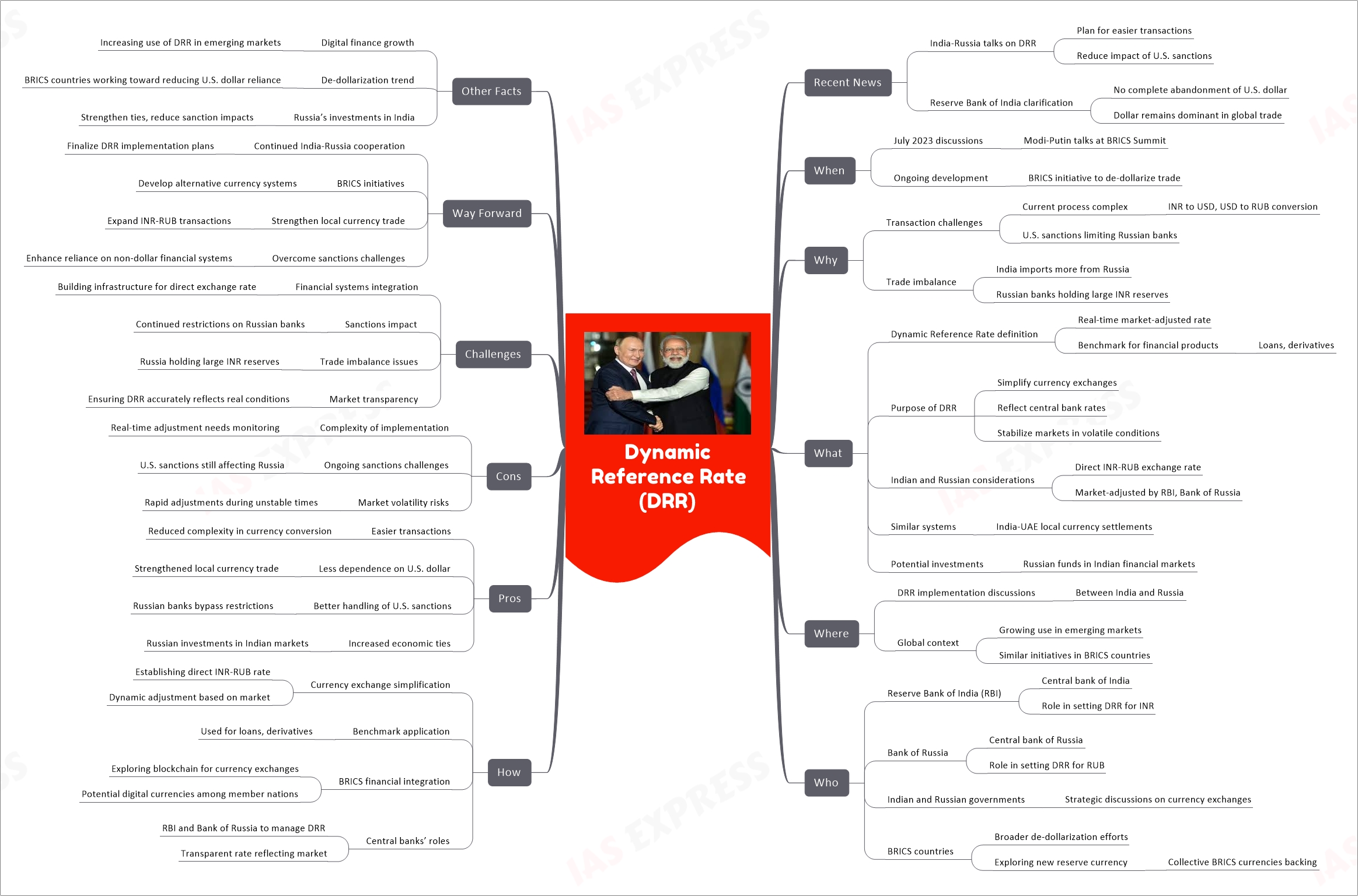
The Dynamic Reference Rate (DRR) is a real-time market-adjusted exchange rate under consideration by India and Russia to simplify financial transactions between the Indian Rupee (INR) and Russian Rouble (RUB). This system aims to bypass the complexities caused by U.S. sanctions on Russia, which currently complicate currency conversions involving the U.S. dollar. The DRR would be managed by the central banks of both countries, reflecting real-time market conditions to stabilize trade and financial dealings. The initiative is part of broader de-dollarization efforts by BRICS nations to reduce reliance on the U.S. dollar in international trade.

On August 13, 2024, India’s DRDO successfully tested the Gaurav long-range glide bomb using a Su-30 MK-I fighter jet. Weighing 1,000 kg, this advanced air-launched weapon is designed for precision targeting over long distances, using sophisticated navigation systems. Developed by the Research Centre Imarat in Hyderabad, this test demonstrates India’s growing self-reliance in defence technology. The project involved key private sector partners, including Adani Defence and Bharat Forge. With radar-evading capabilities, Gaurav strengthens India’s military arsenal, showcasing progress in indigenous defence innovation.
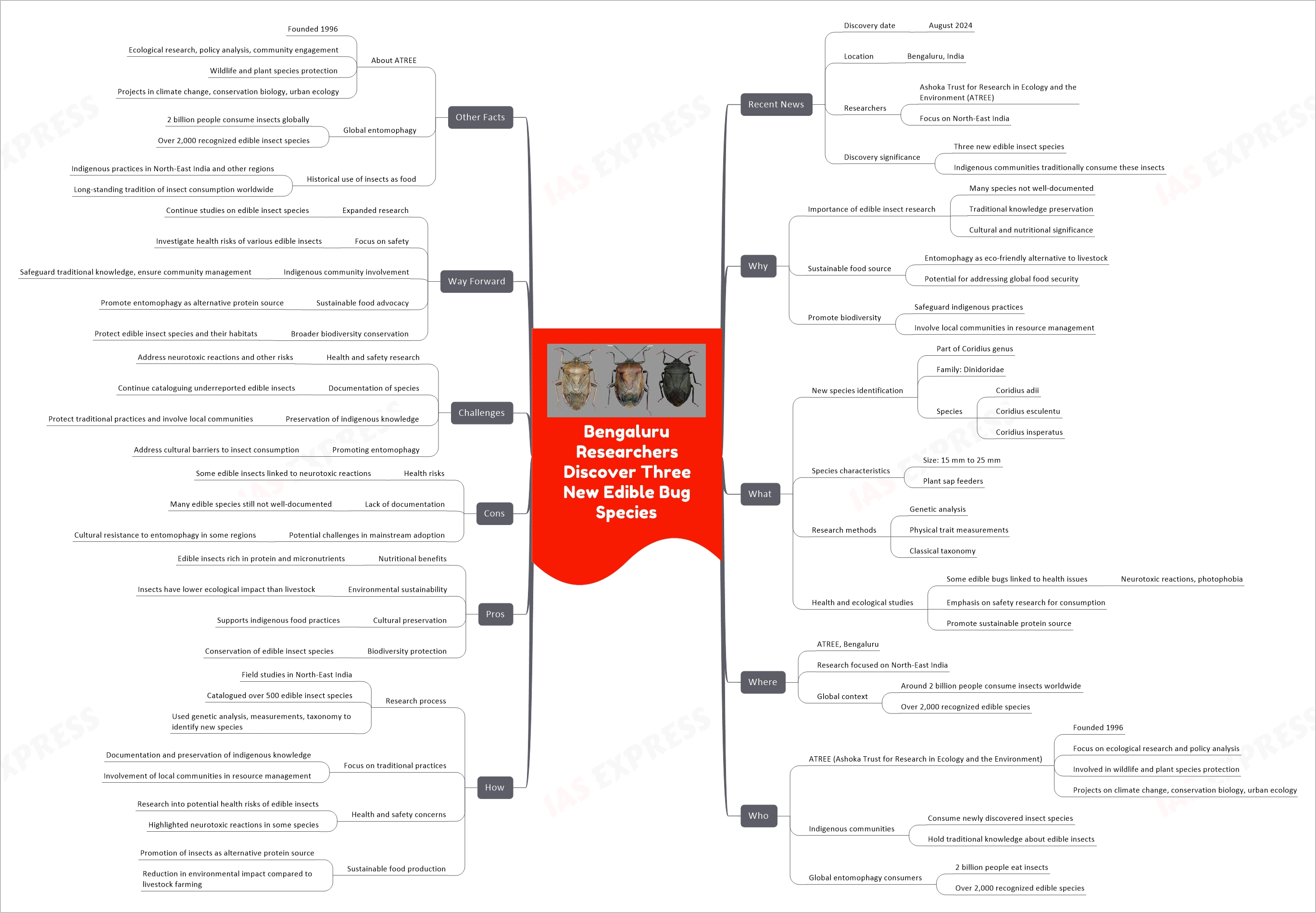
Researchers from the Ashoka Trust for Research in Ecology and the Environment (ATREE) in Bengaluru discovered three new species of edible bugs traditionally consumed by indigenous communities in North-East India. These species, part of the Coridius genus, highlight the importance of documenting edible insects, which are vital to local diets and could be a sustainable protein source. The research underscores the need to preserve indigenous knowledge, promote biodiversity, and explore entomophagy as an eco-friendly alternative to livestock. However, the study also calls for more research on the health risks associated with consuming certain insect species.

The Maharashtra government has officially protected ancient geoglyphs and petroglyphs in Ratnagiri under the Maharashtra Ancient Monuments and Archaeological Sites and Remains Act, 1960. These prehistoric artworks, including large earth designs and rock carvings, date back thousands of years and provide valuable insights into ancient ecosystems and human life. With over 1,500 artworks spread across 70 sites, some of which are on UNESCO’s tentative World Heritage list, the move aims to preserve these cultural treasures. However, proposed industrial developments, like an oil refinery in Barsu, pose significant risks to these heritage sites, prompting ongoing efforts to balance preservation with economic growth.
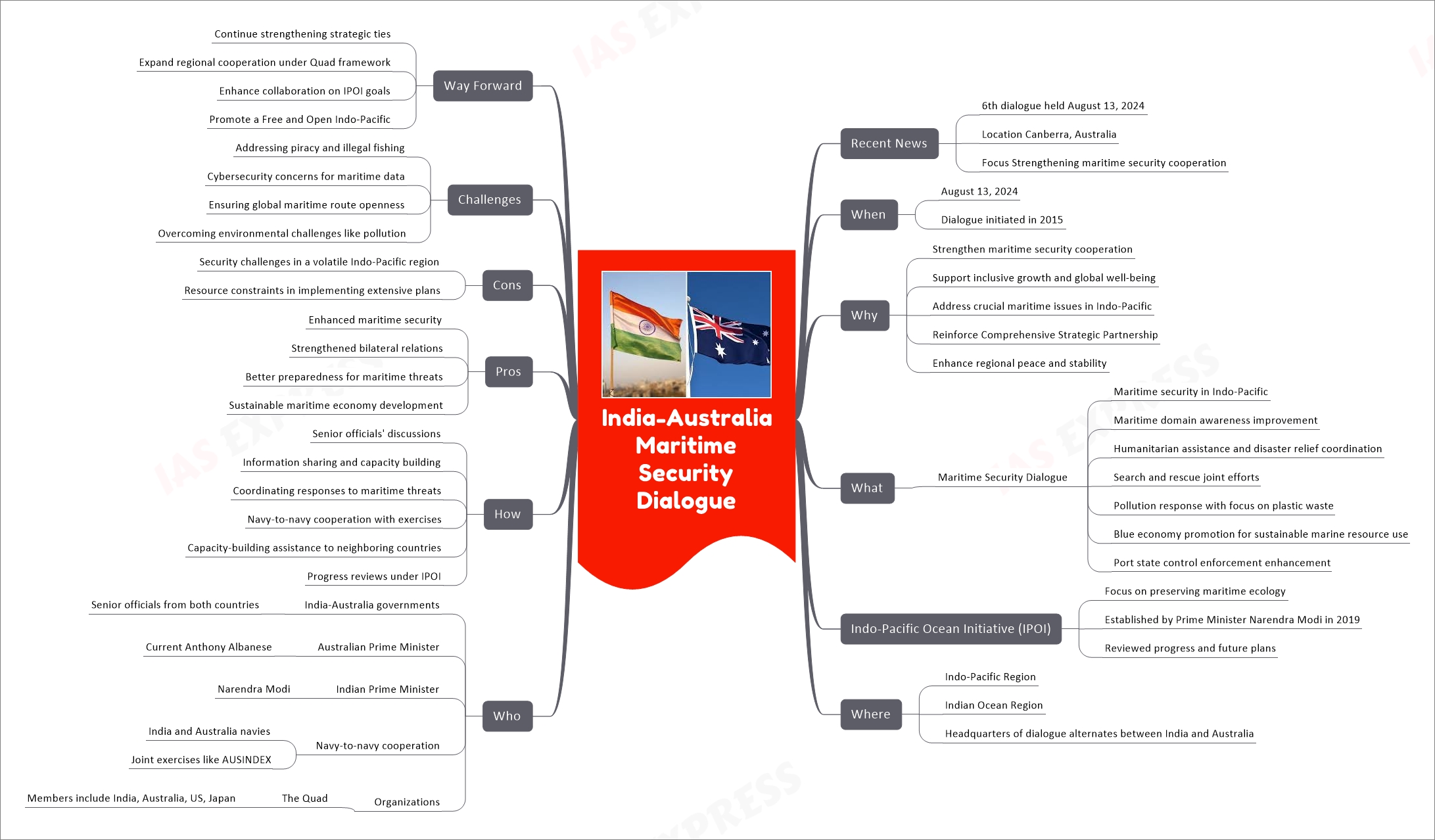
The 6th India-Australia Maritime Security Dialogue, held on August 13, 2024, in Canberra, focused on enhancing maritime security cooperation, reflecting the Comprehensive Strategic Partnership between the two nations. Discussions covered crucial areas like maritime security in the Indo-Pacific, maritime domain awareness, humanitarian assistance, search and rescue operations, and the blue economy. The dialogue also reviewed progress on the Indo-Pacific Ocean Initiative (IPOI), which was launched by India's Prime Minister Modi in 2019. This initiative emphasizes preserving maritime ecology. Both nations continue to address challenges such as piracy, illegal fishing, and cybersecurity in their efforts to promote regional peace and stability.

Archaeologists have discovered what may be the world’s oldest known Sun-and-Moon calendar at Göbekli Tepe, Turkey. Carved into a stone pillar and estimated to be nearly 13,000 years old, this calendar demonstrates early humans’ advanced understanding of solar and lunar cycles, including 365 symbols representing days and adjustments for lunar months. The site, which dates to 9600 BCE, features intricate carvings and offers profound insights into prehistoric timekeeping, cultural practices, and the impact of climate events like a major comet strike around 10,850 B.C. This discovery reshapes our understanding of early societies and their complex knowledge systems.
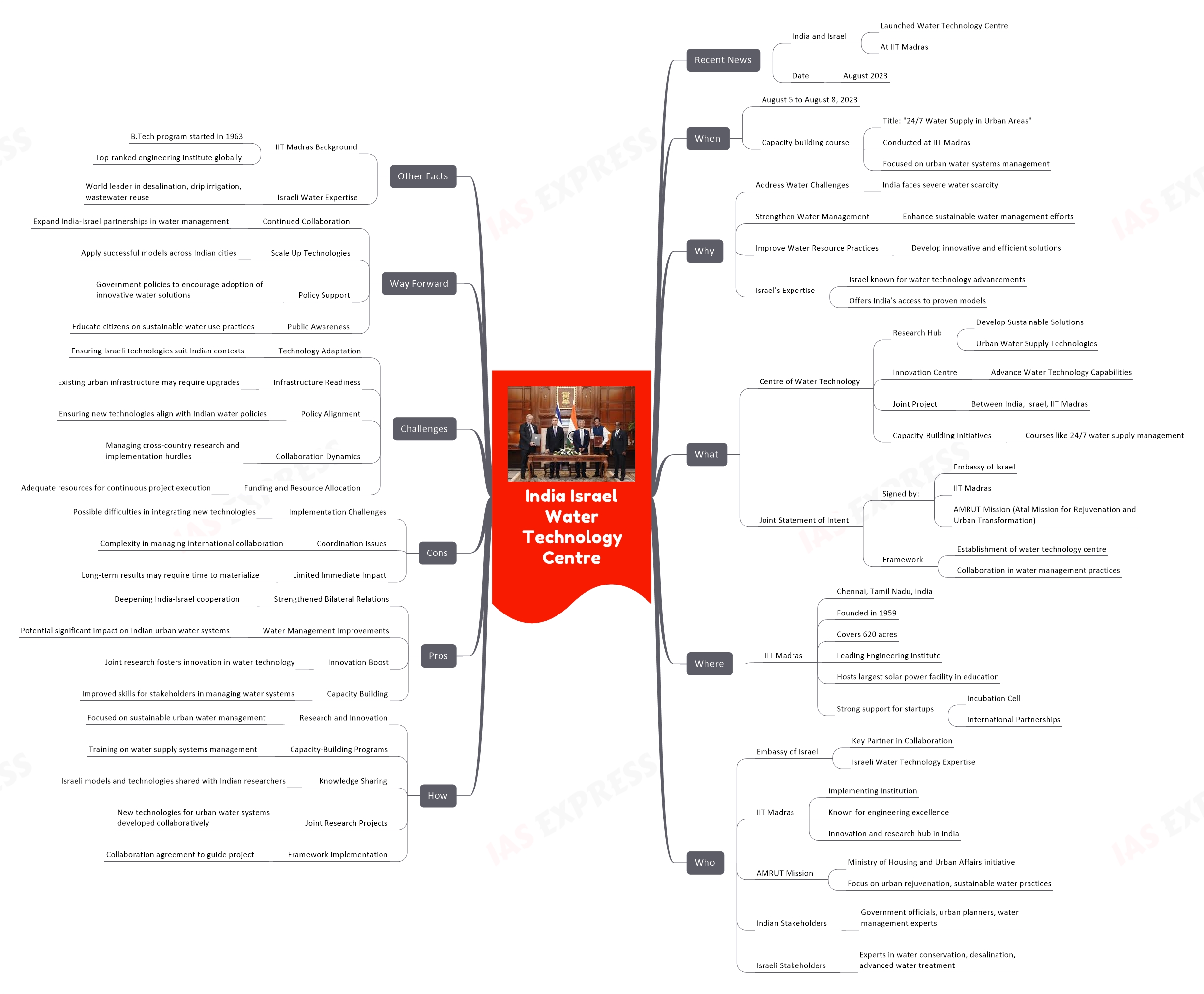
India and Israel have partnered to establish a new Centre of Water Technology at IIT Madras, aiming to address India's pressing water challenges. This collaboration leverages Israel's advanced expertise in water management and India's research capabilities to develop innovative solutions for sustainable urban water supply. A capacity-building course titled "24/7 Water Supply in Urban Areas" was conducted, highlighting the commitment to training stakeholders in water systems management. The initiative is part of a broader effort to strengthen bilateral ties and improve water resource management in India, while overcoming implementation and infrastructure challenges.

The World Health Organization (WHO) declared mpox a Public Health Emergency of International Concern (PHEIC) on August 14, 2024, due to a significant rise in cases, especially in the Democratic Republic of the Congo (DRC). Mpox, a viral disease, mainly affects Central and West Africa but is now spreading in new regions due to a new strain called clade 1b. WHO has initiated response efforts, including funding and vaccines, but challenges remain in healthcare infrastructure and global coordination. The declaration under the International Health Regulations (IHR) aims to boost international cooperation and prevent a broader outbreak.
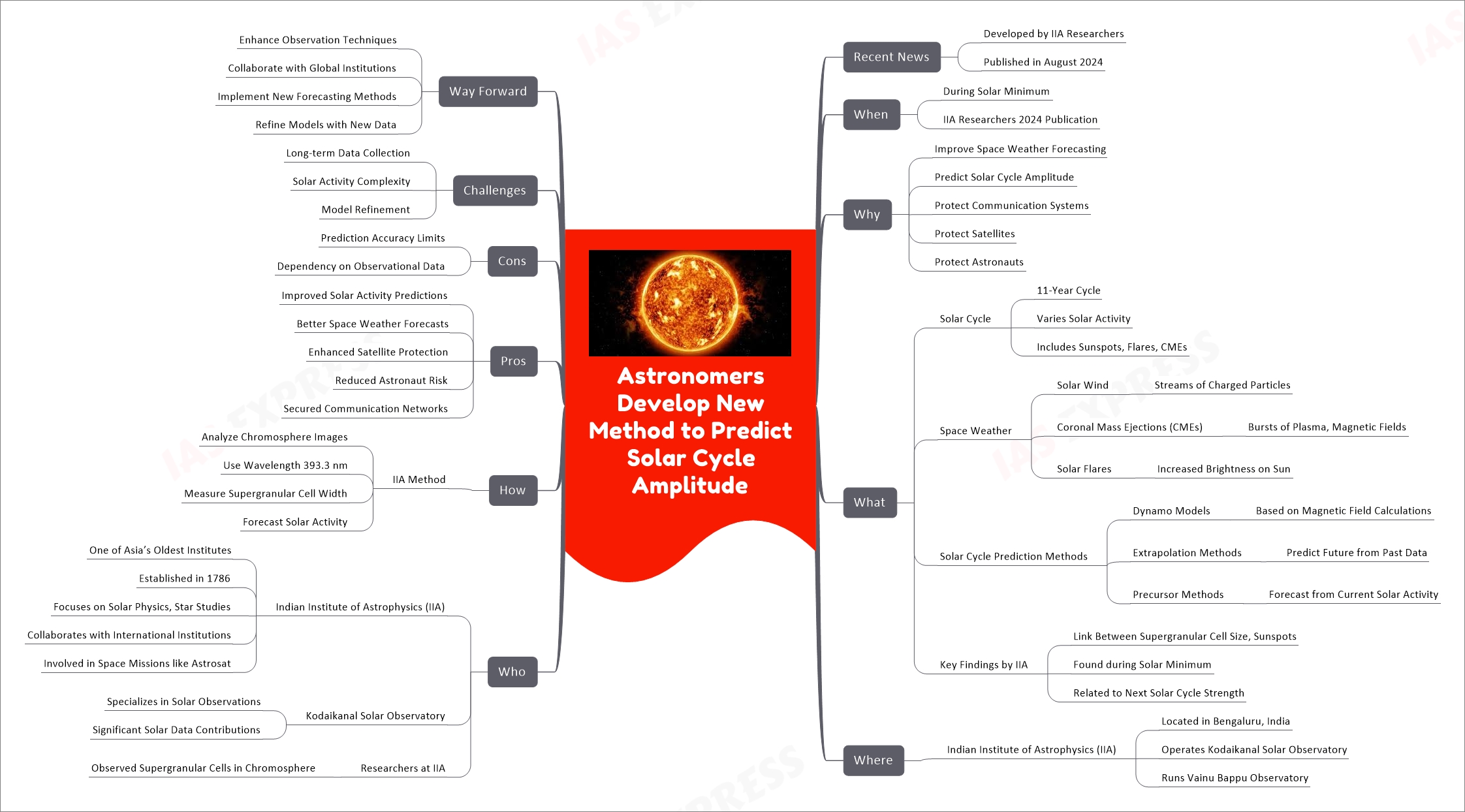
Astronomers from the Indian Institute of Astrophysics (IIA) have developed a new method to predict the strength of solar cycles, focusing on the relationship between the size of supergranular cells on the sun's surface and future solar activity. This breakthrough aids in forecasting space weather, which can significantly impact communication systems, satellites, and astronauts. By analyzing specific chromospheric images, IIA researchers have improved our ability to anticipate the solar cycle's amplitude, providing better protection against space weather's effects.

If you like this post, please share your feedback in the comments section below so that we will upload more posts like this.

Responses