
Glycemic Index and Load

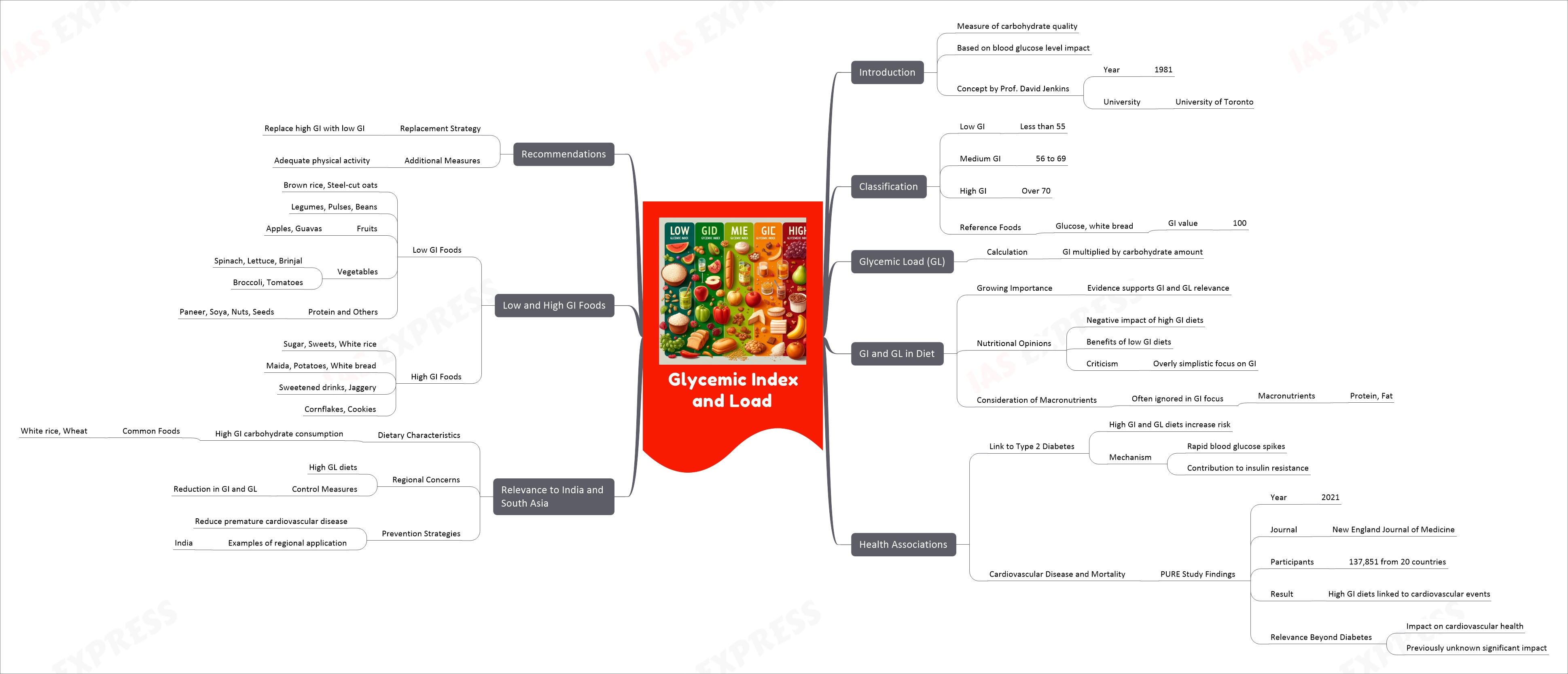
The Glycemic Index (GI) measures how quickly foods raise blood glucose levels, with foods ranked as low, medium, or high GI. Glycemic Load (GL) takes this further by considering the amount of carbohydrates consumed. The relevance of GI and GL is increasingly supported by evidence linking high GI/GL diets to health risks like type 2 diabetes and cardiovascular disease. This is particularly important in regions like India and South Asia, where diets typically feature high-GI foods. Managing GI and GL can help mitigate risks like diabetes and premature cardiovascular disease, with a focus on replacing high GI foods with low GI alternatives and promoting physical activity.
Related Posts



If you like this post, please share your feedback in the comments section below so that we will upload more posts like this.

Responses