NASA DC-8 Flying Laboratory

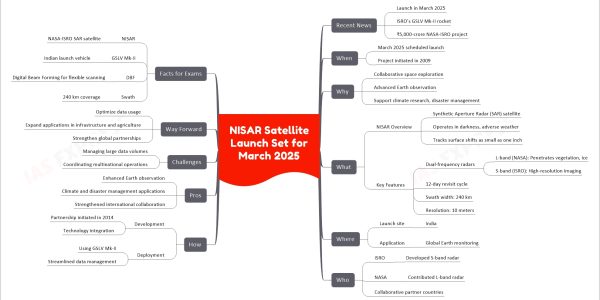
NASA DC-8 Flying Laboratory mind map

  Overview
    Highly modified Douglas DC-8 jetliner
    Operates as flying science lab
    Part of NASA's Airborne Science Program
    Based at Armstrong Flight Research Center
      Location
        Palmdale, California
  Mission History
    Over 25 years of operation
    Earth science missions
      Covered six continents
      Ice field studies in Antarctica
  Mission Types
    Sensor development
      Testing prototype satellite instruments
      Cost-effective instrument verification
    Satellite sensor verification
    Space vehicle launch/re-entry telemetry
      Data retrieval
      Optical tracking
    Other research studies
      Earth's surface
      Atmosphere studies
  Scientific Fields
    Archaeology
    Ecology
    Geography
    Hydrology
    Meteorology
    Oceanography
    Volcanology
    Atmospheric chemistry
    Cryospheric science
    Soil science
    Biology
  Specific Campaigns
    Active Sensing of CO2 Emissions (AS-CENDS)
      Winter 2016
      Improved airborne lidar instruments
      Atmospheric carbon dioxide measurements
    Pyrocumulonimbus cloud sampling
      Detailed study
      Smoke distribution
      Climate impact insights
  Future and Alternatives
    Age-related concerns
    Potential replacements
      Boeing 767-200ER
        More floor-space
        Greater payload capacity
        Longer range
      U.S. Navy P-8
        Less fuel per mission
        Comparable capabilities

The NASA DC-8 Flying Laboratory is a highly modified Douglas DC-8 jetliner that serves as a flying science laboratory under NASA’s Airborne Science Program. Operating for over 25 years from NASA’s Armstrong Flight Research Center in Palmdale, California, this aircraft has executed a variety of Earth science missions across six continents, including ice field studies in Antarctica. Its missions cover a wide range of scientific fields, such as archaeology, meteorology, and biology, focusing on activities like sensor development, satellite sensor verification, and data collection for space vehicle launches and re-entries. The DC-8 has been instrumental in campaigns like the AS-CENDS for atmospheric CO2 measurement and detailed studies of pyrocumulonimbus clouds. As it ages, there are considerations for potential replacements, with the Boeing 767-200ER and U.S. Navy P-8 being top contenders due to their capabilities and efficiencies.

Related Posts
If you like this post, please share your feedback in the comments section below so that we will upload more posts like this.

Responses

🖍️ Highlight
HomeCoursesPlansAccount