Nano Urea

Nano Urea mind map
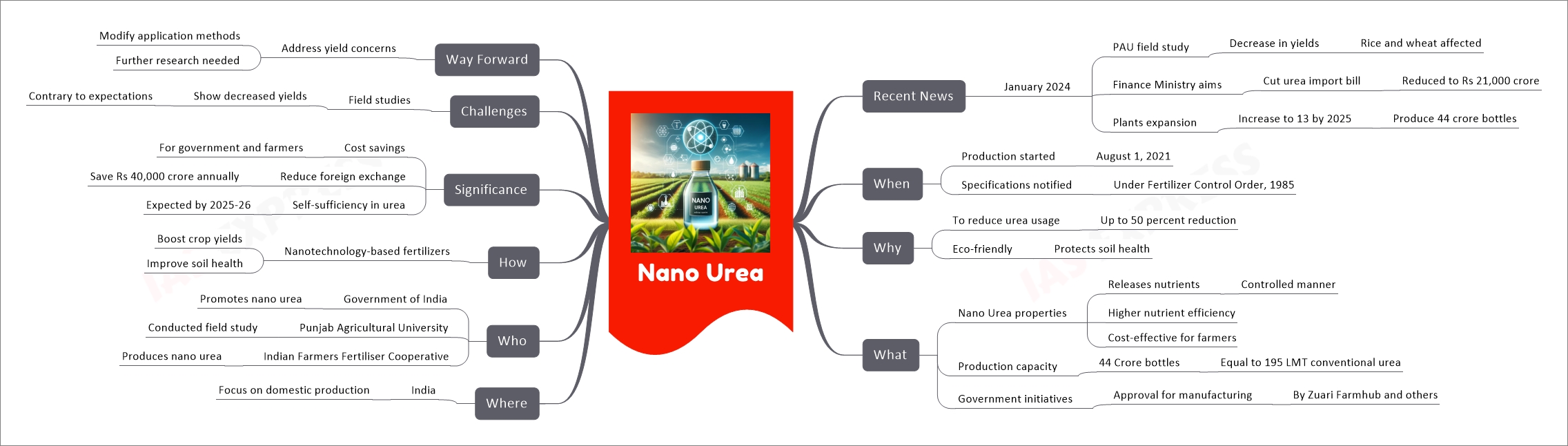
  Recent News
    January 2024
      PAU field study
        Decrease in yields
          Rice and wheat affected
      Finance Ministry aims
        Cut urea import bill
          Reduced to Rs 21,000 crore
      Plants expansion
        Increase to 13 by 2025
          Produce 44 crore bottles
  When
    Production started
      August 1, 2021
    Specifications notified
      Under Fertilizer Control Order, 1985
  Why
    To reduce urea usage
      Up to 50 percent reduction
    Eco-friendly
      Protects soil health
  What
    Nano Urea properties
      Releases nutrients
        Controlled manner
      Higher nutrient efficiency
      Cost-effective for farmers
    Production capacity
      44 Crore bottles
        Equal to 195 LMT conventional urea
    Government initiatives
      Approval for manufacturing
        By Zuari Farmhub and others
  Where
    India
      Focus on domestic production
  Who
    Government of India
      Promotes nano urea
    Punjab Agricultural University
      Conducted field study
    Indian Farmers Fertiliser Cooperative
      Produces nano urea
  How
    Nanotechnology-based fertilizers
      Boost crop yields
      Improve soil health
  Significance
    Cost savings
      For government and farmers
    Reduce foreign exchange
      Save Rs 40,000 crore annually
    Self-sufficiency in urea
      Expected by 2025-26
  Challenges
    Field studies
      Show decreased yields
        Contrary to expectations
  Way Forward
    Address yield concerns
      Modify application methods
      Further research needed

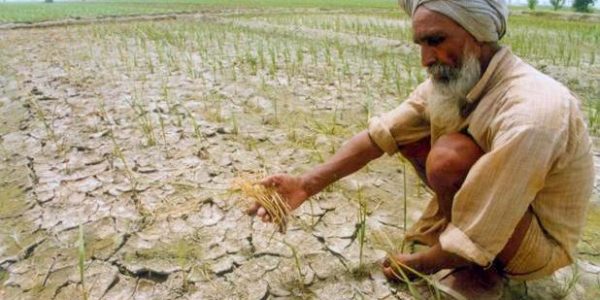
Nano urea, a nanotechnology-based fertilizer, is an innovative product introduced in India to enhance agricultural productivity while being environmentally friendly. It is designed to release nutrients in a controlled manner, offering higher efficiency and cost-effectiveness compared to conventional urea. The Indian government has been promoting nano urea to reduce dependence on traditional fertilizers, aiming for self-sufficiency in urea production by 2025-26. Despite its benefits, recent field studies by Punjab Agricultural University have shown a decrease in crop yields (rice and wheat), posing a challenge to its efficacy. The government plans to expand production facilities and further research is needed to address these yield concerns.

Related Posts

If you like this post, please share your feedback in the comments section below so that we will upload more posts like this.

Responses

🖍️ Highlight
HomeCoursesPlansAccount