
[Newsbits] 10-23.07.2024: RAMSES Mission, U-WIN Portal & more


The IUCN’s recent Red List update highlights the urgent need to protect various lizard and cactus species. The Ibiza wall lizard, now classified as threatened, faces significant threats from invasive species like the horseshoe whip snake and human-induced problems. Similarly, the Gran Canaria giant lizard and skink populations have plummeted due to the California kingsnake. Illegal trade, especially of ornamental cacti like Copiapoa, exacerbated by social media, has led to 82% of these species being critically endangered. Proposed solutions include stringent laws, habitat management, international cooperation, public education, and greenhouse cultivation to mitigate these declines.
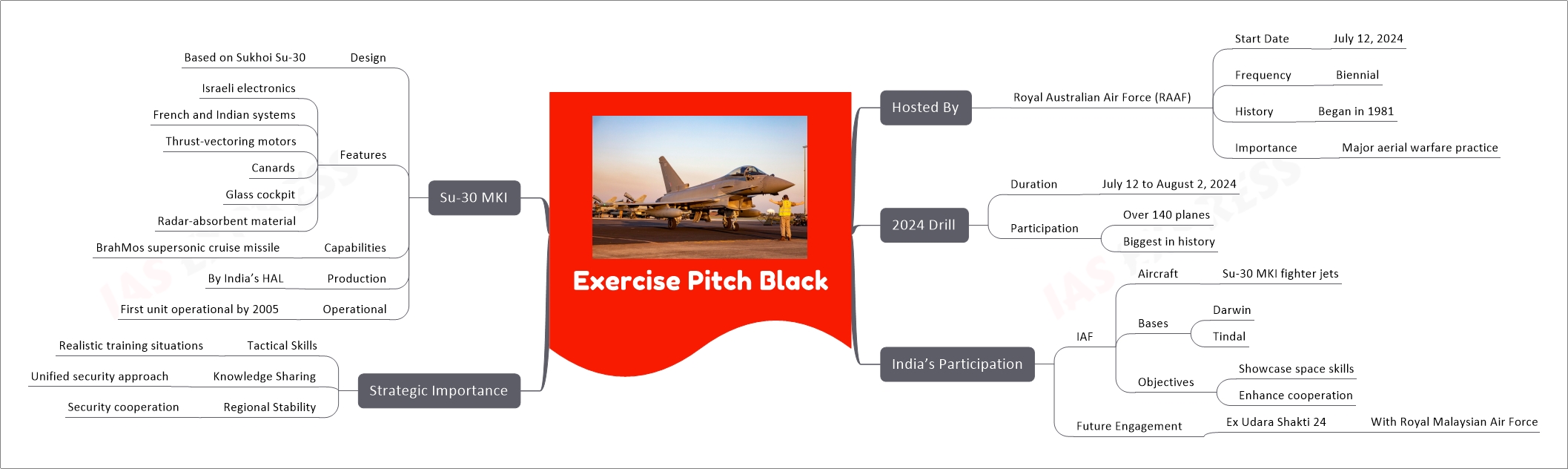
Exercise Pitch Black, starting on July 12, 2024, is a significant biennial multinational aerial warfare exercise hosted by the Royal Australian Air Force (RAAF). This year’s drill, the largest in its 43-year history, includes over 140 planes. The Indian Air Force (IAF) will participate with Su-30 MKI fighter jets, operating from RAAF bases in Darwin and Tindal. The exercise aims to enhance tactical skills, promote knowledge sharing, and foster regional security cooperation. The Su-30 MKI, a sophisticated aircraft with advanced electronics and weaponry, exemplifies India’s aerospace capabilities and its collaboration with Russia.

India and Russia have set an ambitious goal of achieving $100 billion in bilateral trade by 2030, as announced during the 22nd annual summit between President Vladimir Putin and Prime Minister Narendra Modi. Key agreements include boosting trade and investments in Russia’s Far East, enhancing technological and financial integration, and collaborating on energy and resources. Efforts will focus on developing strategic corridors like the Vladivostok-Chennai and the International North-South Transport Corridor, and leveraging the Northern Sea Route for better Eurasian connectivity. Despite challenges such as sanctions and trade imbalances, the partnership aims to strengthen mutual economic and strategic interests.
NASA's recent Mars simulation mission, completed on July 6 at the Johnson Space Center, involved four volunteers living in a 3D-printed Mars Dune Alpha habitat for 378 days. This mission, part of the CHAPEA project, aimed to simulate Mars conditions, including limited resources and delayed communication. Participants engaged in typical astronaut activities and faced isolation challenges. Future missions in 2025 and 2027 will continue to address Mars living challenges, focusing on nutrition and astronaut health. The insights gained will inform NASA's plans for manned Mars missions in the 2030s, advancing their leadership in space travel.

The High Seas Treaty, officially known as the Agreement on Conservation and Sustainable Use of Marine Biological Diversity of Areas Beyond National Jurisdiction (BBNJ), aims to protect marine biodiversity and promote sustainable use of ocean resources. Covering 64% of the world’s oceans, the treaty addresses issues like resource depletion, species loss, and ocean pollution. It mandates the creation of Marine Protected Areas (MPAs), fair distribution of benefits from marine genetic resources, and mandatory Environmental Impact Assessments (EIAs). The treaty requires ratification by at least 60 countries to become international law. As of now, 91 countries have signed it, with 8 ratifications submitted. The treaty is crucial for long-term ecological balance and international cooperation on ocean conservation.
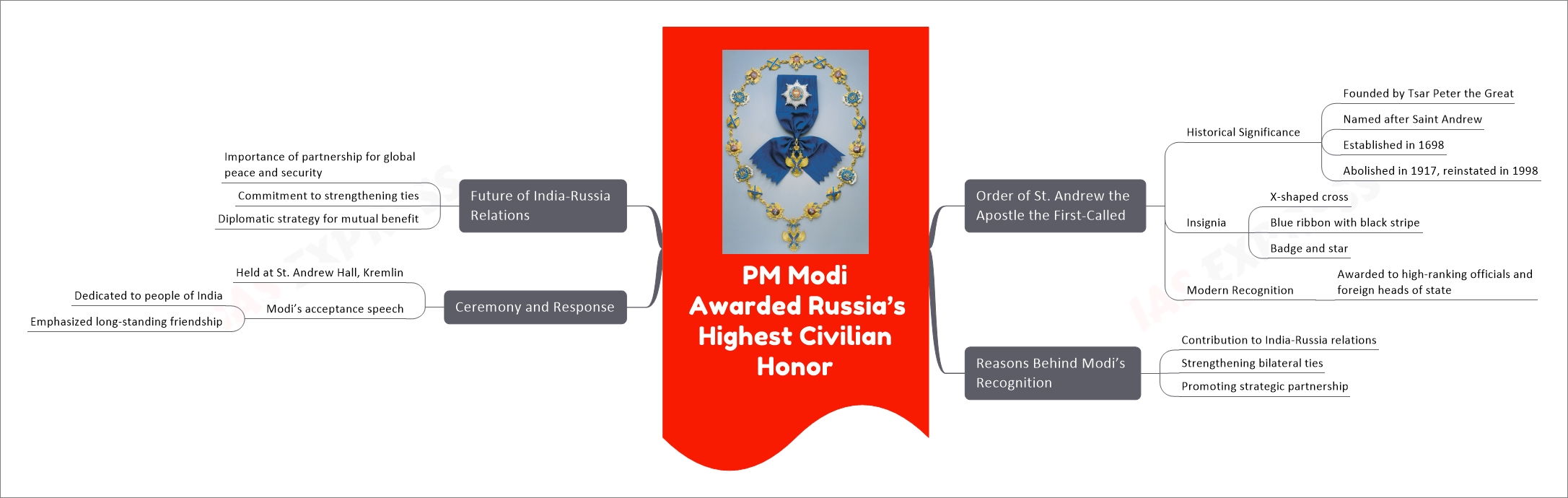
Prime Minister Narendra Modi was awarded Russia’s highest civilian honor, the Order of St. Andrew the Apostle the First-Called, for his significant contributions to strengthening India-Russia relations. Established by Tsar Peter the Great in 1698 and named after Saint Andrew, the order recognizes exceptional civilian or military service. Modi received the award during a ceremony at the Kremlin, where he dedicated it to the people of India and highlighted the deep-rooted friendship between the two nations. He emphasized the importance of the India-Russia partnership for global peace and security and committed to further strengthening bilateral ties.

LHS 1140 b is an exoplanet 48 light-years away in the constellation Cetus, initially thought to be a mini-Neptune with a thick hydrogen-rich atmosphere. New data from the James Webb Space Telescope suggests it may be a super-Earth with a rocky or water-rich surface and a nitrogen-rich atmosphere. Located in its star’s habitable zone, LHS 1140 b has potential for liquid water, with models indicating it could be a “snowball” planet with a central ocean at 20°C. This discovery, led by the Université de Montréal, highlights the planet’s suitability for further habitability studies.
Summary: The World Health Organization (WHO) has launched the Medical Devices Information System (MeDevIS), a comprehensive online tool designed to improve the distribution and use of medical devices globally. With a database covering 2,301 different types of medical equipment, MeDevIS aids governments, healthcare officials, and end users in making informed decisions. The system aims to streamline vast amounts of data, enhancing accessibility and transparency, thereby filling gaps in global healthcare knowledge and improving public health outcomes.

Summary: Bangladesh recently joined the Colombo Security Conclave (CSC) as its fifth member during the 8th Deputy National Security Adviser (DNSA) level meeting, enhancing regional security collaboration in the Indian Ocean. The CSC, originally formed in 2020 by India, Sri Lanka, and the Maldives, and later joined by Mauritius, focuses on addressing maritime security challenges. The CSC has evolved to include high-level dialogues and practical measures, expanding its focus areas to cybercrime, trafficking, and disaster response. The recent meeting reviewed the CSC’s Roadmap for 2023–2024, highlighting actions and strategic goals for regional stability. The CSC’s secretariat is located in Colombo, Sri Lanka.
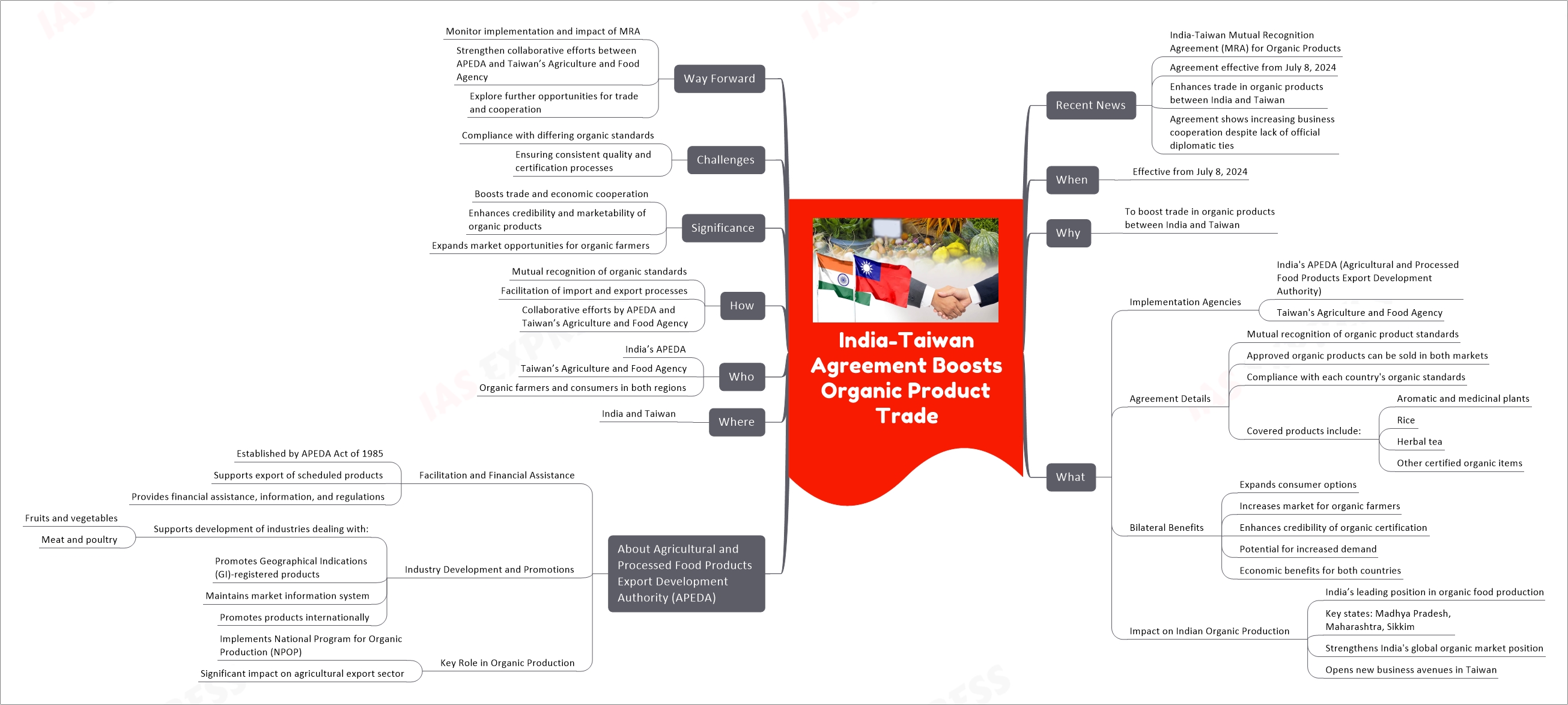
Summary: The India-Taiwan Mutual Recognition Agreement (MRA) for Organic Products, effective from July 8, 2024, enhances trade in organic products between India and Taiwan, reflecting increasing business cooperation despite the lack of official diplomatic ties. Managed by India’s APEDA and Taiwan’s Agriculture and Food Agency, the agreement allows mutually recognized organic products to be sold in both markets. This MRA boosts market opportunities for organic farmers, enhances the credibility of organic certification, and supports India's leading position in global organic food production. The APEDA plays a key role in facilitating this agreement and supporting India's agricultural export sector.

If you like this post, please share your feedback in the comments section below so that we will upload more posts like this.



Responses