
[Newsbits] 4-6.04.2024: Juice Jacking, OpenAI’s Voice Engine & More


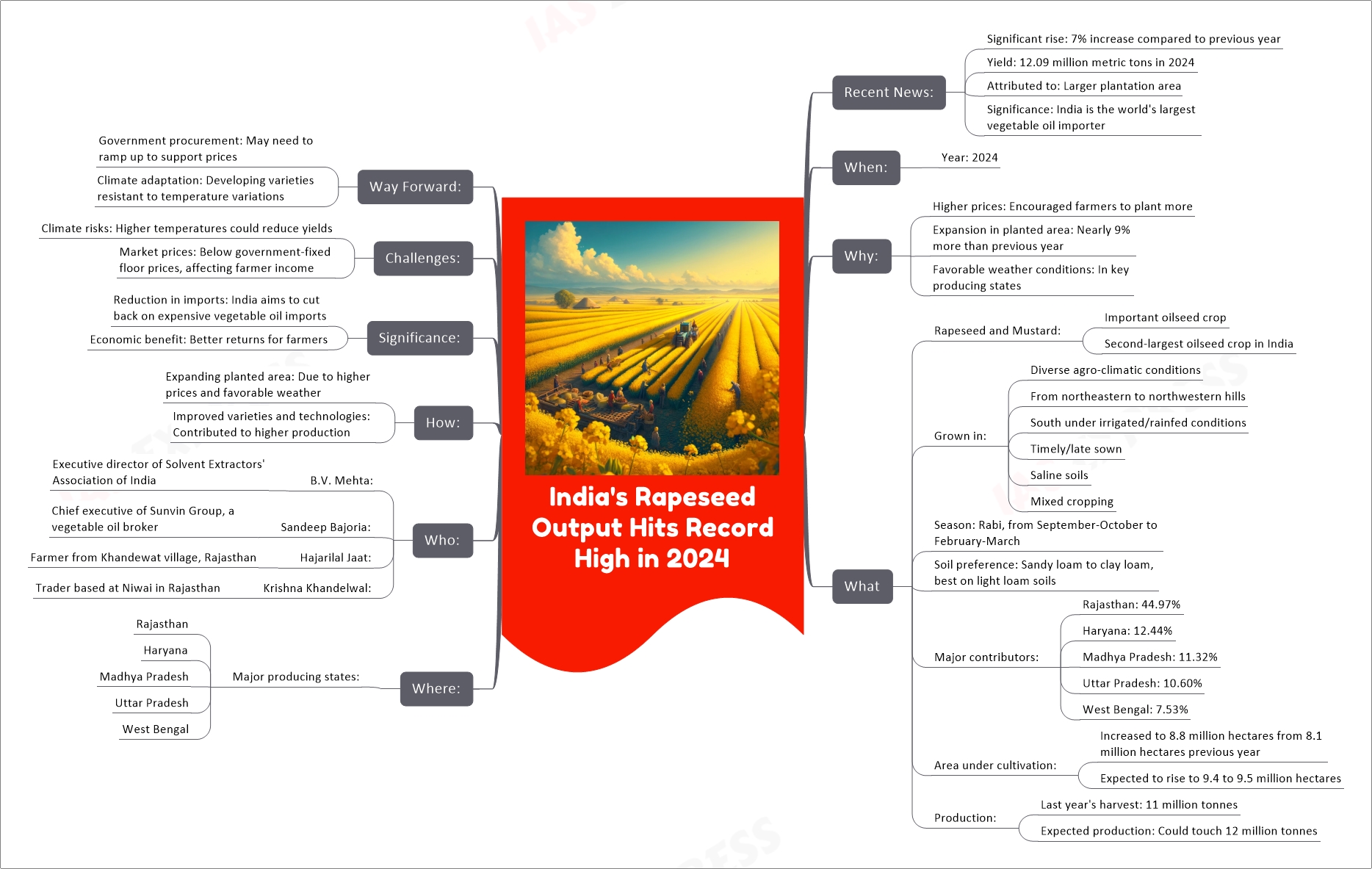
India’s rapeseed output in 2024 has achieved a record high, primarily due to a significant 7% increase in production compared to the previous year, totaling 12.09 million metric tons. This notable growth is attributed to an expanded plantation area, as well as favorable weather conditions across key producing states. The surge in rapeseed and mustard production, important oilseed crops in India, is a result of both the strategic expansion in planted area—encouraged by higher prices and nearly 9% more area planted than the year before—and the adoption of improved crop varieties and technologies. Major contributors to rapeseed production include states like Rajasthan, Haryana, Madhya Pradesh, Uttar Pradesh, and West Bengal, with Rajasthan leading at nearly 45% of the total production. The increase in production is not only expected to reduce India’s dependence on expensive vegetable oil imports but also offer better returns to farmers. However, challenges such as potential climate-related risks to yields and market prices falling below government-fixed floor prices highlight the need for strategic planning in government procurement and climate adaptation measures.
In simpler terms, India’s rapeseed production hitting a new high is a big deal because it means the country can rely less on importing vegetable oils, which has been quite expensive. More farmers are planting rapeseed thanks to higher prices and good growing conditions, which could lead to a bumper crop. However, they also face challenges like unpredictable weather and market prices that might not always be in their favor.
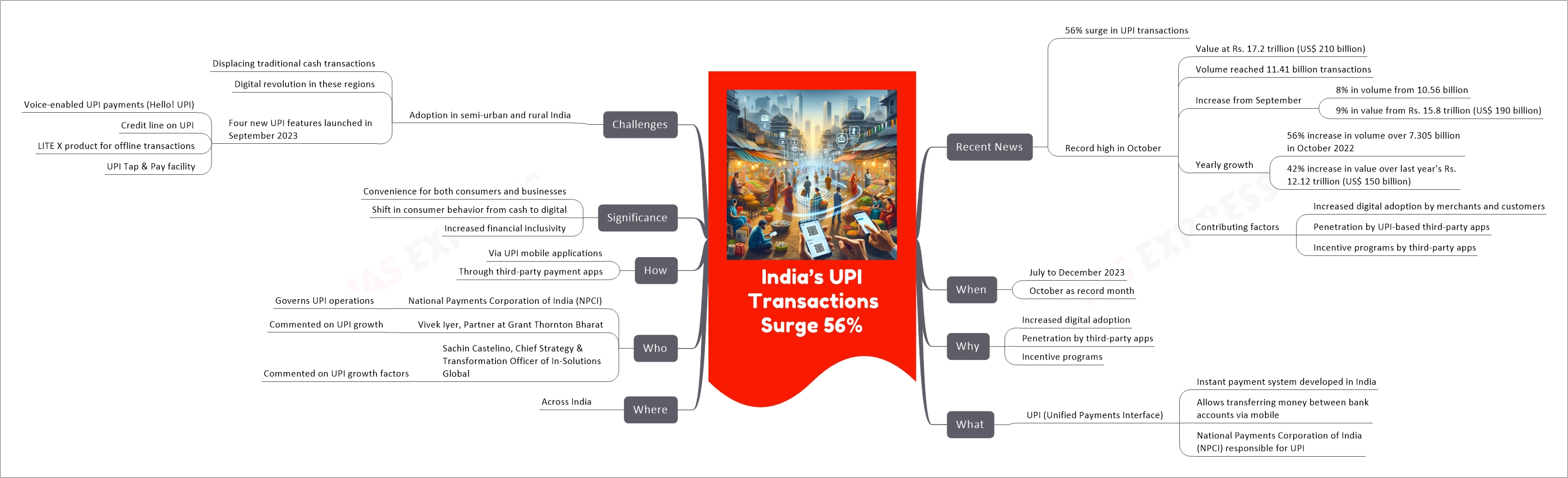
India’s Unified Payments Interface (UPI) transactions have witnessed a significant surge of 56%, reaching a record high in October with a value of Rs. 17.2 trillion (US$ 210 billion) and a volume of 11.41 billion transactions. This increase reflects a broader shift towards digital payments, facilitated by the ease of use and widespread adoption of UPI-based platforms among both consumers and merchants across India. Contributing to this growth are factors like increased digital adoption at various levels, penetration by UPI-based third-party apps, and their associated incentive programs. The National Payments Corporation of India (NPCI), responsible for UPI, has also introduced new features to enhance user convenience and expand UPI’s functionality, including voice-enabled payments and offline transaction capabilities, underscoring the evolving landscape of digital payments in India.
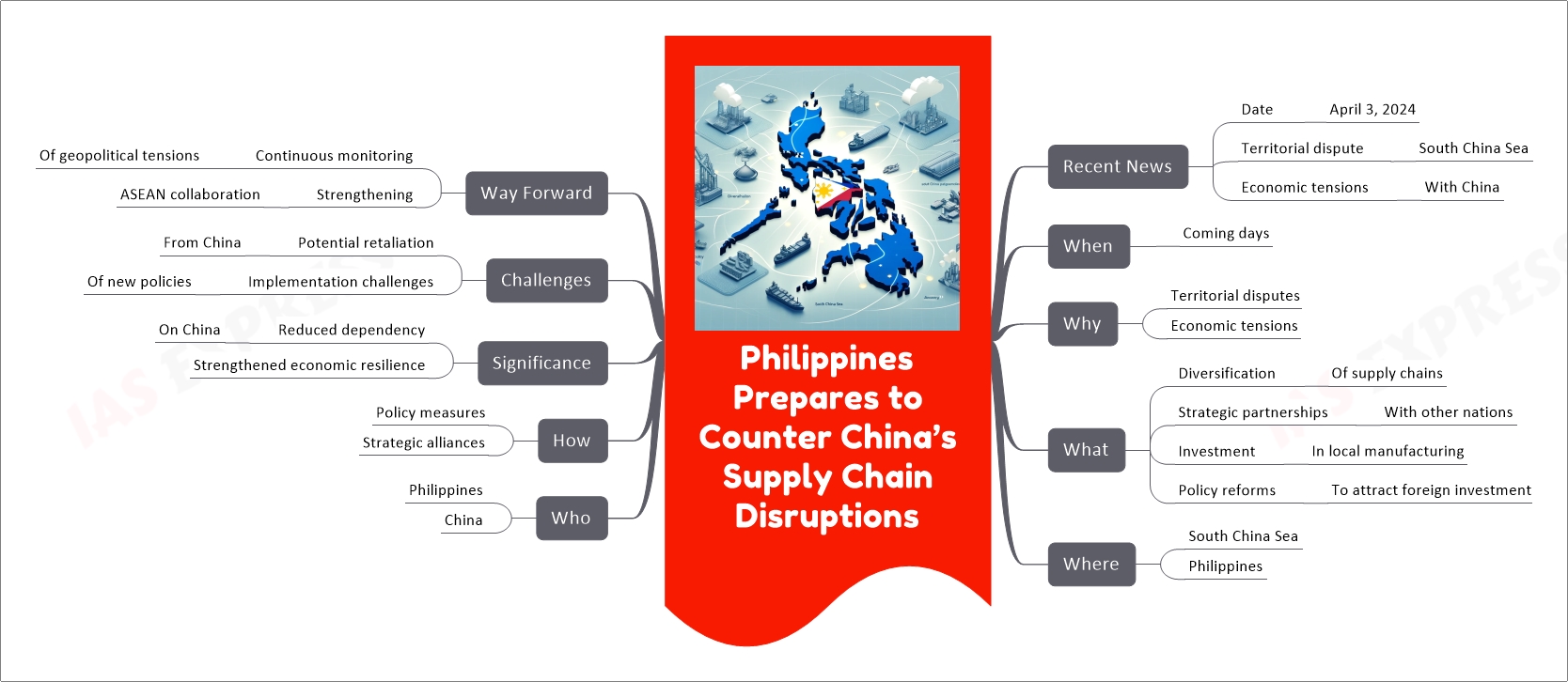
The Philippines is gearing up to counter potential supply chain disruptions from China amidst escalating economic tensions and territorial disputes in the South China Sea. Although specifics are not available, the strategies might include diversifying supply chains away from China, forming strategic partnerships, boosting local manufacturing, and implementing policy reforms to enhance economic resilience. These steps aim to reduce the Philippines' dependency on China while navigating the challenges of potential retaliation and the complexities of policy implementation.
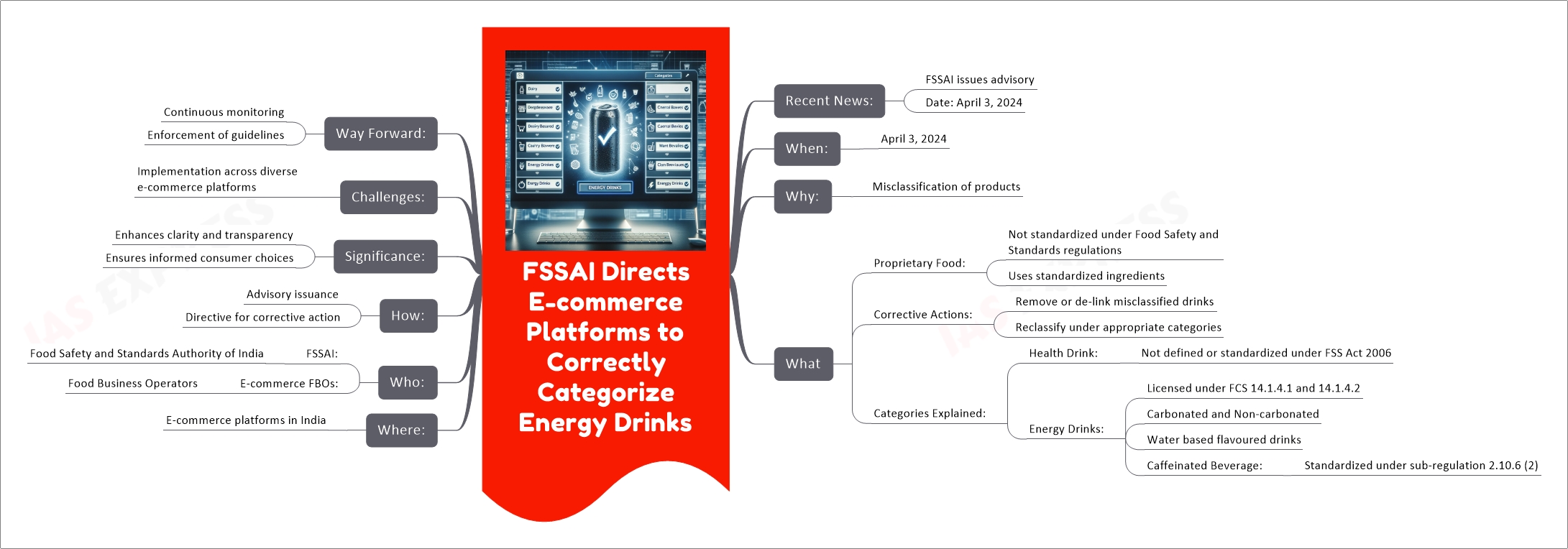
The Food Safety and Standards Authority of India (FSSAI) has taken a significant step towards ensuring consumer protection and transparency in the classification of food products sold on e-commerce platforms. On April 3, 2024, the FSSAI directed e-commerce Food Business Operators (FBOs) to correctly categorize energy drinks and other related products, specifying that terms like 'health drinks' or 'energy drinks' should only be used for products that meet specific regulatory standards. This move aims to prevent the misclassification of products such as dairy-based, cereal-based, or malt-based beverages, which were previously inaccurately labeled under these categories, causing confusion among consumers. The directive underscores
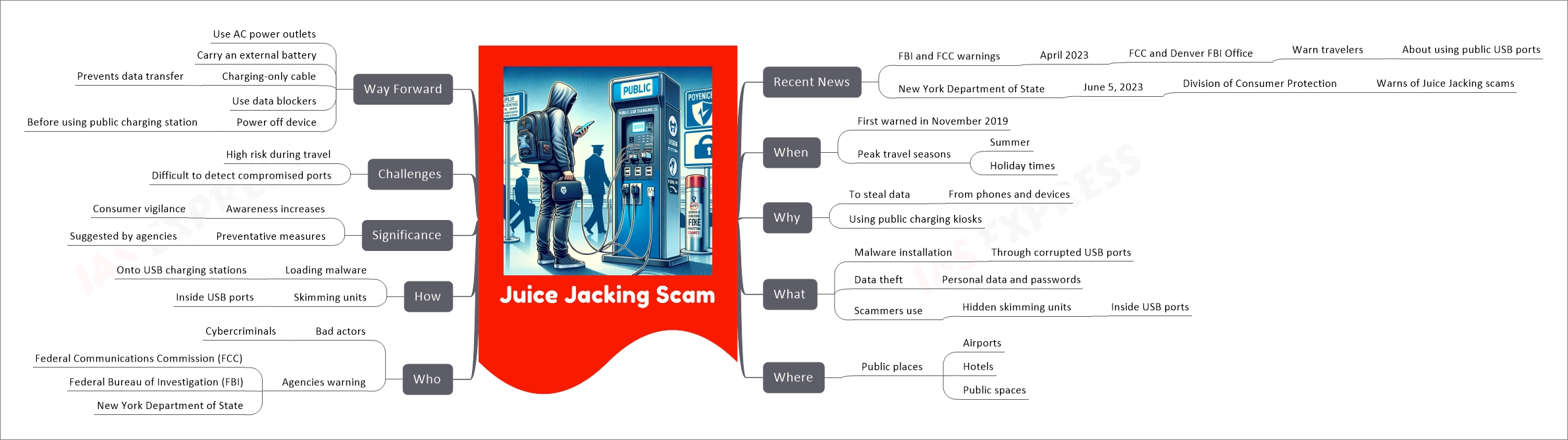
Juice Jacking Scam is a cyber-theft strategy where criminals install malware on public USB charging stations to access and steal data from electronic devices. Authorities like the FBI and FCC have warned about this scam, particularly targeting travelers. Thieves use corrupted USB ports to lock devices or export personal data and passwords. The FCC and other organizations offer tips to prevent falling victim to these scams, such as using AC power outlets, carrying external batteries, and using charging-only cables that prevent data from being transferred. Awareness and precautionary measures are crucial to combatting this growing threat.
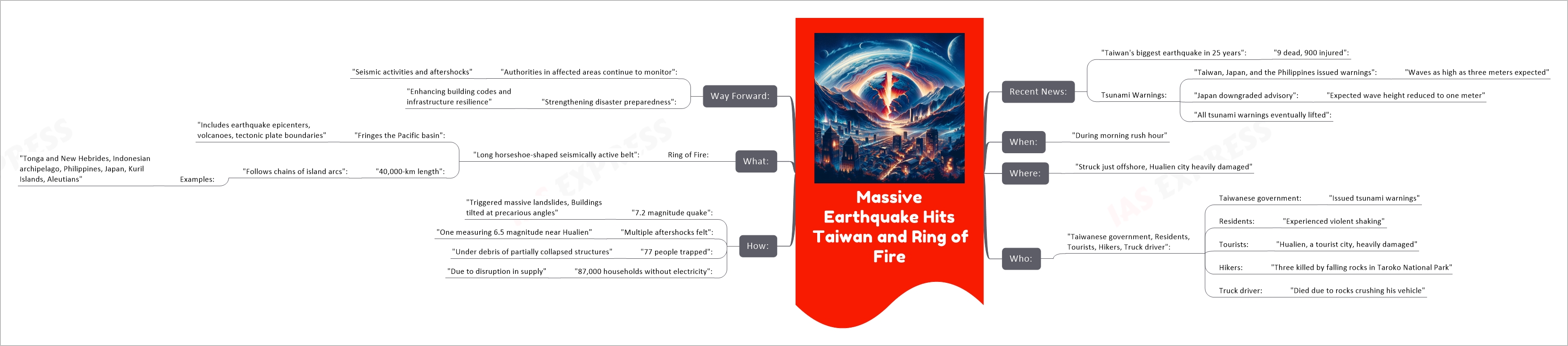
A massive earthquake recently struck Taiwan, becoming the island's largest seismic event in 25 years. It resulted in the tragic loss of nine lives, with over 900 individuals injured. This event unfolded during the morning rush hour and was centered just offshore, significantly impacting Hualien—a city known for its popularity among tourists. The quake, with a magnitude of 7.2, led to massive landslides, left buildings in precarious conditions, and caused widespread disruption, including power outages affecting tens of thousands of households. The occurrence also prompted the issuance of tsunami warnings across Taiwan, Japan, and the Philippines, with concerns of waves reaching up to three meters in height. However, these warnings were eventually lift
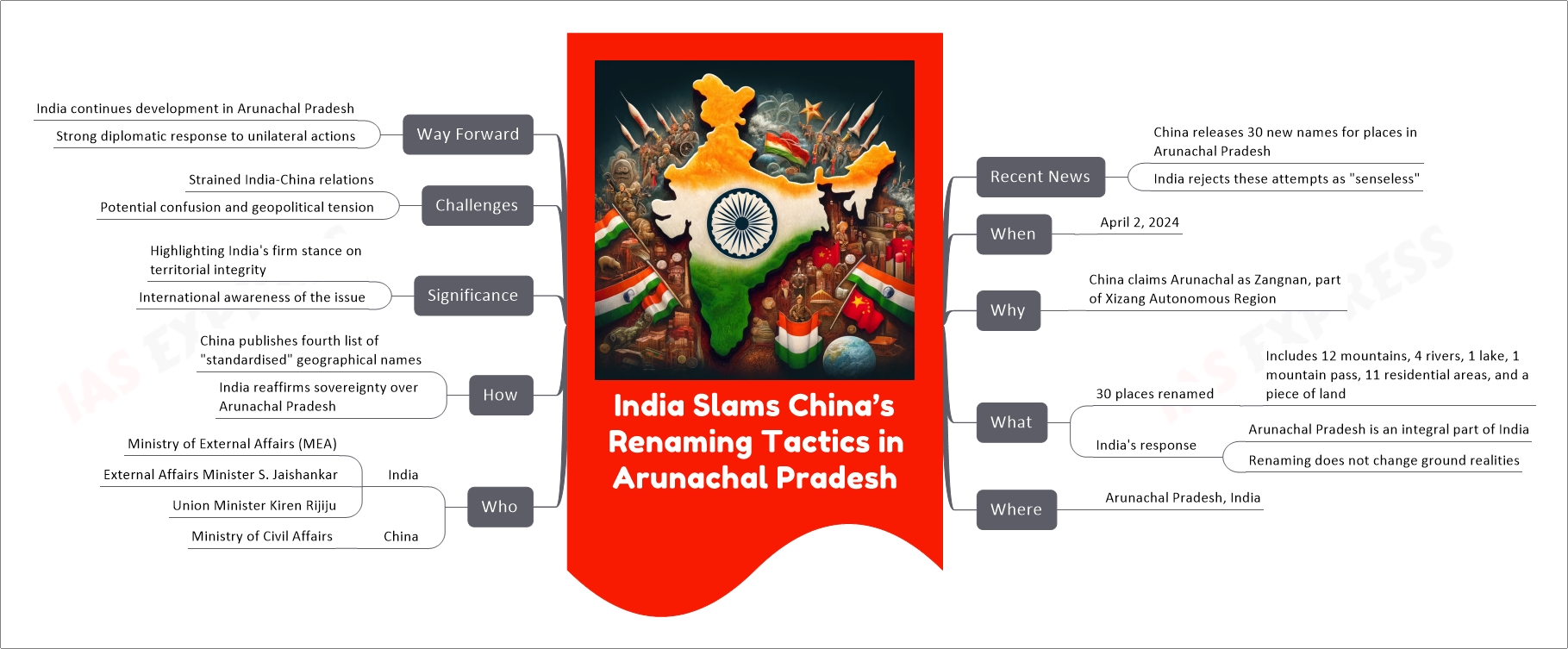
India has firmly rejected China’s recent actions of renaming places in Arunachal Pradesh, describing these moves as “senseless attempts.” This situation has emerged as China released a fourth list naming 30 more places in Arunachal Pradesh as part of its claim over the region, which it refers to as Zangnan or the southern part of Tibet. India’s Ministry of External Affairs, along with prominent figures like External Affairs Minister S. Jaishankar and Union Minister Kiren Rijiju, have reiterated that such renaming does not alter the reality of Arunachal Pradesh being an integral and inalienable part of India. They emphasize the historical and ongoing sovereignty of India over the region, despite China’s claims and renaming attempts.
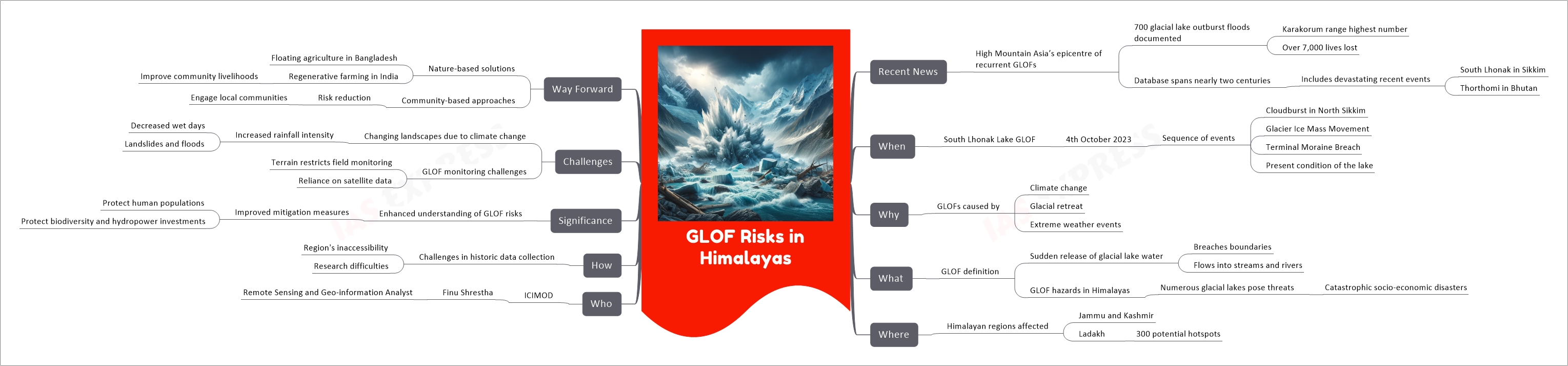
Glacial Lake Outburst Floods (GLOFs) in the Himalayas represent a significant risk due to the combination of climate change, glacier retreat, and extreme weather events. These phenomena have been documented extensively, with the Karakorum range identified as a hotspot for such events, affecting thousands of lives over centuries. The recent GLOF at South Lhonak Lake in Sikkim highlights the unpredictable and catastrophic nature of these floods, exacerbated by factors like cloudbursts and moraine breaches. The challenges of monitoring and data collection in such remote regions compound the risks, necessitating improved mitigation measures to protect vulnerable populations and infrastructure. Nature-based solutions and community-based approaches have emerged as vital strategies
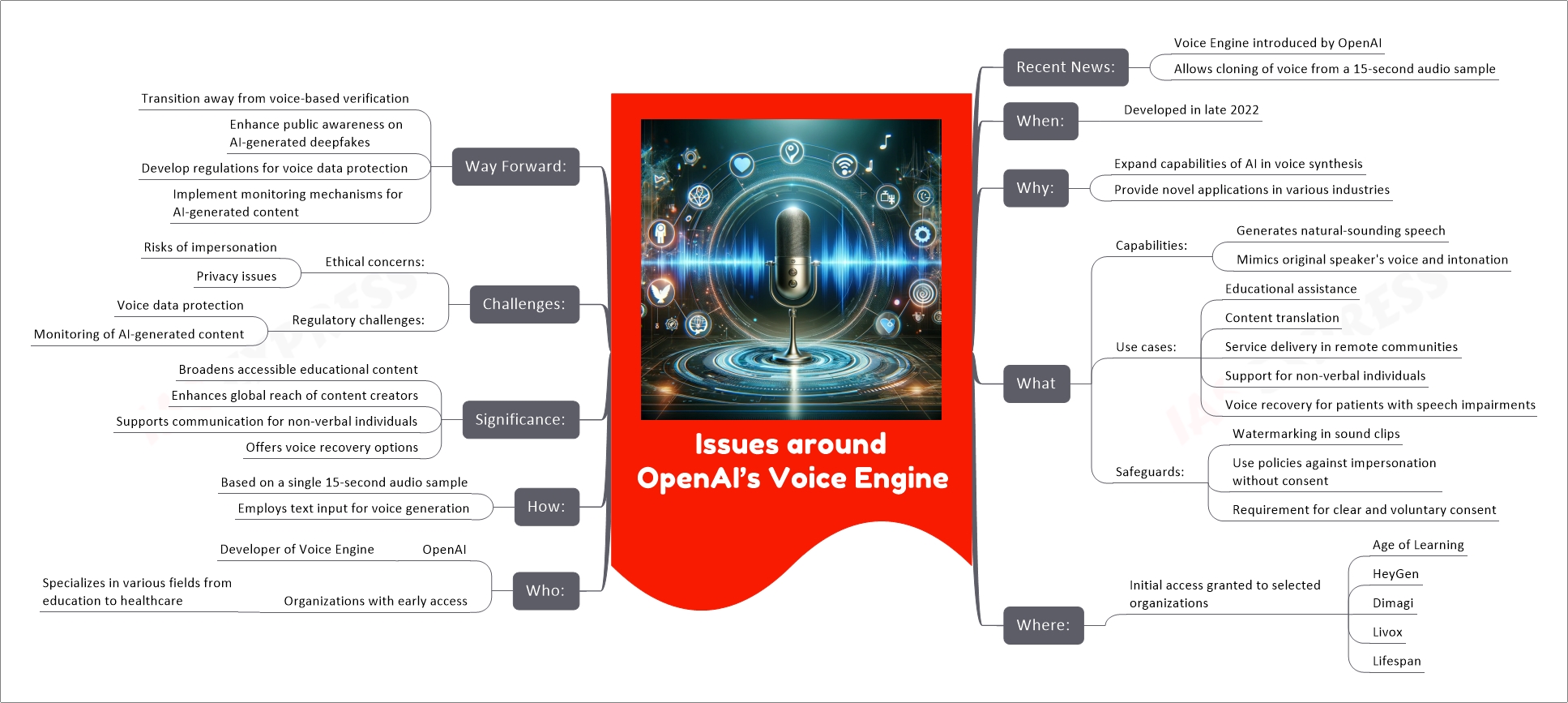
The OpenAI Voice Engine represents a significant advancement in voice synthesis technology, capable of generating a synthetic voice from a mere 15-second audio clip of an individual’s voice. Developed in late 2022, this technology has been introduced with a focus on expanding AI capabilities in voice synthesis and offering novel applications across various industries. While the technology promises numerous benefits, including broadening educational content accessibility, enhancing global reach for content creators, and offering voice recovery options for individuals with speech impairments, it also presents ethical and privacy concerns. These concerns center around the risks of impersonation and the necessity for stringent privacy measures. To address these challenges, OpenAI has proposed measures such as transitioning away from voice-based verification, enhancing public awareness of AI-generated deepfakes, and developing regulatory frameworks to protect voice data in AI applications
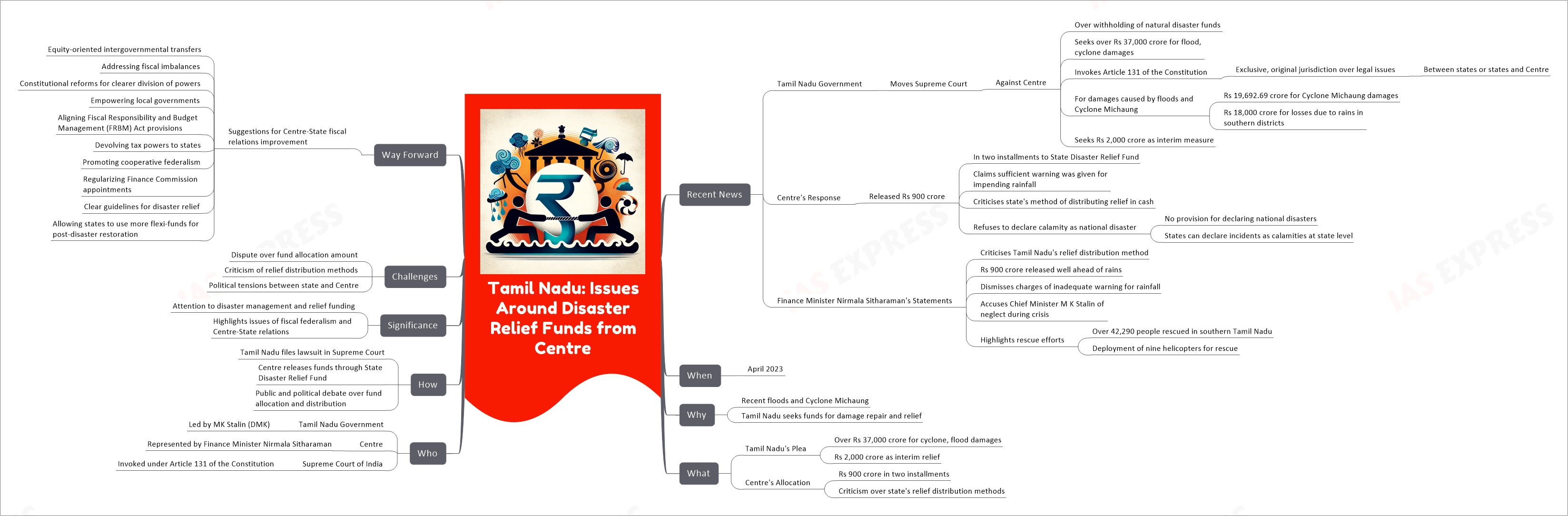
The situation around the disaster relief funds from the Centre to Tamil Nadu involves a dispute between the Tamil Nadu government and the central government over the allocation and distribution of funds following recent floods and Cyclone Michaung. The state government, led by the DMK and Chief Minister MK Stalin, has moved the Supreme Court, seeking over Rs 37,000 crore in aid for damages caused by these natural disasters. The Centre, represented by Finance Minister Nirmala Sitharaman, has released Rs 900 crore in two installments but has been criticized by the state for the method of distribution and the amount, deemed insufficient by the state. This issue has brought to the forefront discussions around fiscal federalism, Centre-State rel

If you like this post, please share your feedback in the comments section below so that we will upload more posts like this.

Responses